





















In the vast catalogue of Hindi cinema, certain melodies manage to transcend eras and generations. One such memorable track emerged in the year 1997, continuing to resonate deeply with listeners even after 29 years. Sung with immense devotion and grace by Kavita Krishnamurthy, the screen presentation featured the emotive performance of Madhuri Dixit. Renowned composer Rajesh Roshan crafted its cinematic music, while lyricist Indeevar penned the verse adaptation. Yet the true origins of this musical piece reach far deeper into history than Bollywood itself, holding strong ties to classical spiritual traditions.
The Dramatic Narrative Frame Within Koyla
The musical piece found its cinematic home in the Shah Rukh Khan and Madhuri Dixit starrer Koyla. In the movie, the track unfolds during a critical and poignant turning point, following the deceitful marriage orchestrated by Amrish Puri's villainous character to Madhuri Dixit's character. Titled Saanso Ki Maala Pe Simru Main Pee Ka Naam, the composition became an instant highlight due to its intense emotional resonance and unforgettable melody. Behind this recording lies a rich heritage where traditional Bhakti poetry seamlessly meets profound Sufi expression.
Tracing the Origins Across Devotional and Sufi Roots
Attributing the authorship of this beloved piece involves fascinating artistic connections. While listeners frequently associate the poetry directly with the devotional traditions of Sant Mirabai, the poetic lines are also attributed to the noted writer Tufail Hoshiarpuri. Over time, the verses came to be viewed through the spiritual prism of Mirabai's personal devotion. This overlapping blend of poetic traditions has given the song a uniquely revered stature among scholars and lovers of traditional music alike.
A Memorable Evening at the Kapoor Wedding in 1979
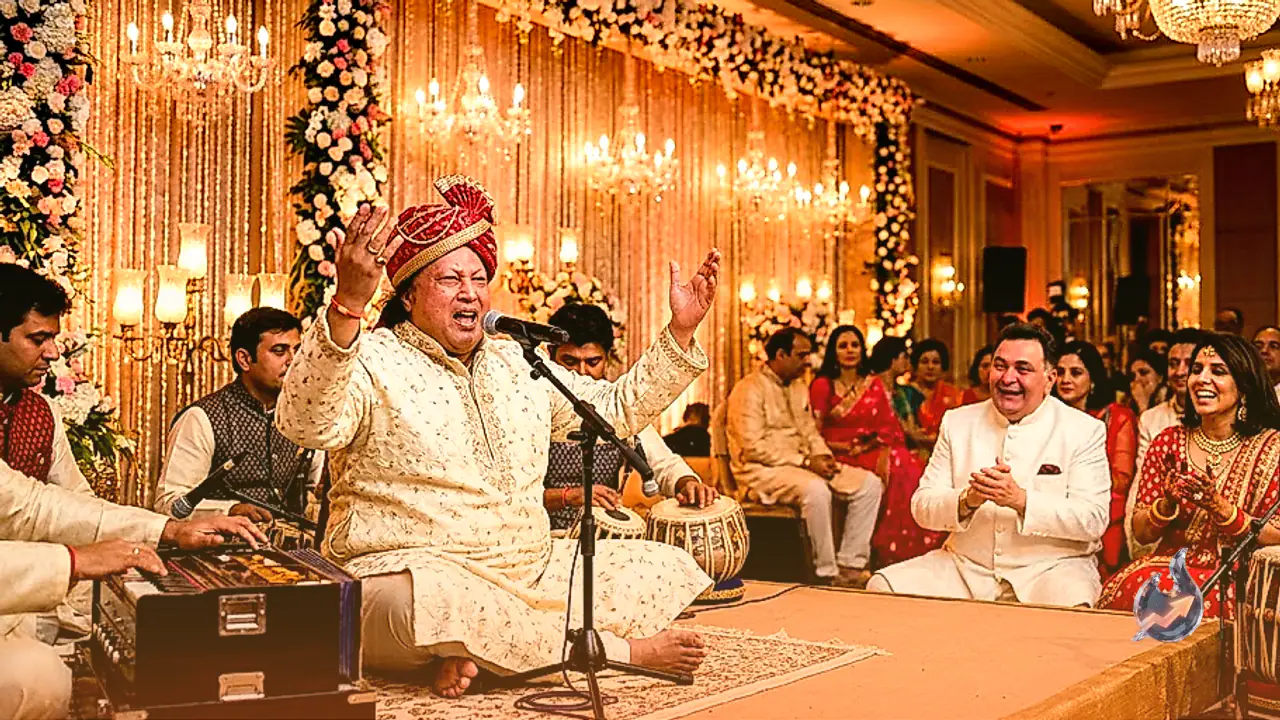
Long before Koyla brought the track to mainstream cinema goers, the melody enjoyed immense popularity across concert stages. The legendary maestro Nusrat Fateh Ali Khan brought his unmatched vocal power to this rendition, turning it into a worldwide phenomenon. During his maiden visit to India in 1979, Nusrat Fateh Ali Khan performed this very piece at the wedding celebration of Rishi Kapoor and Neetu Kapoor. That electrifying live rendition transformed the composition into a permanent signature of his legendary qawwali repertoire.
A Cult Musical Legacy Beyond Box Office Fortunes
When Koyla arrived in theatres on April 18, 1997, audiences were immediately captivated by the track's distinctive fusion of devotional soul and cinematic arrangement. Starring Shah Rukh Khan and Madhuri Dixit, the movie failed to achieve commercial success at the box office and was deemed a flop. Nevertheless, the song emerged as a standalone cult classic. It introduced nineties audiences to centuries old Sufi and Bhakti sensibilities, securing a timeless spot in Indian musical heritage.