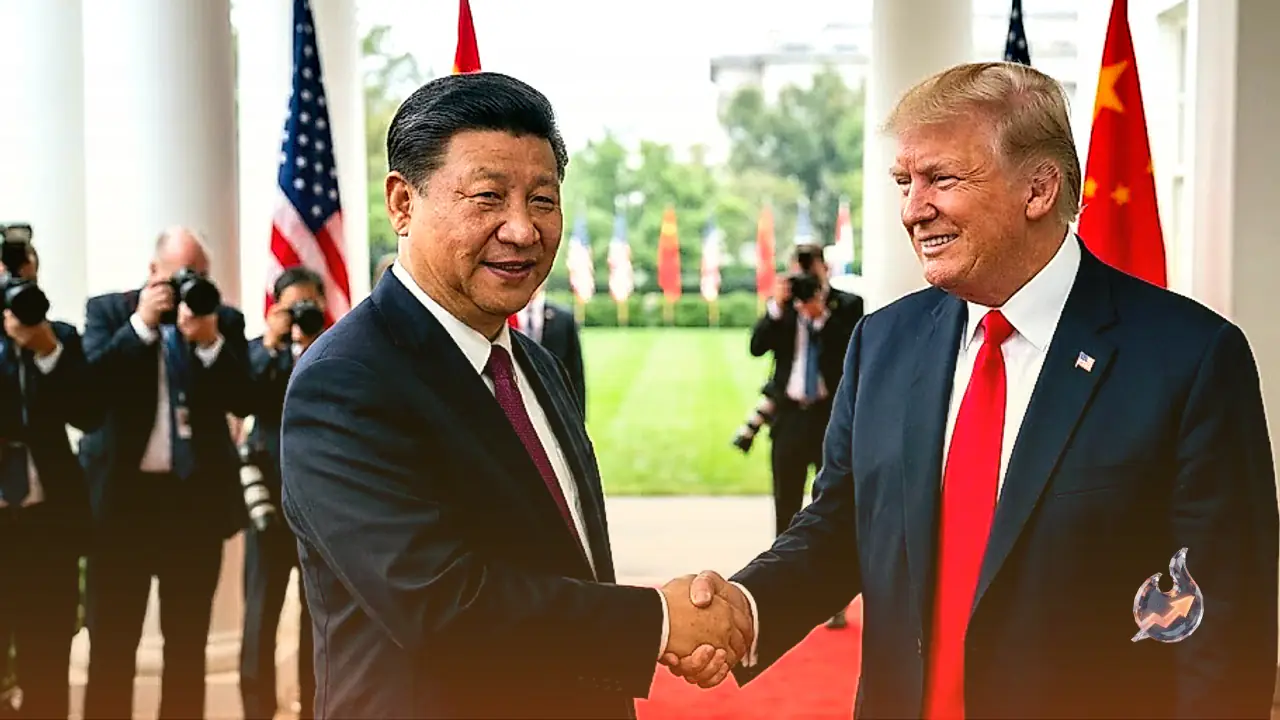




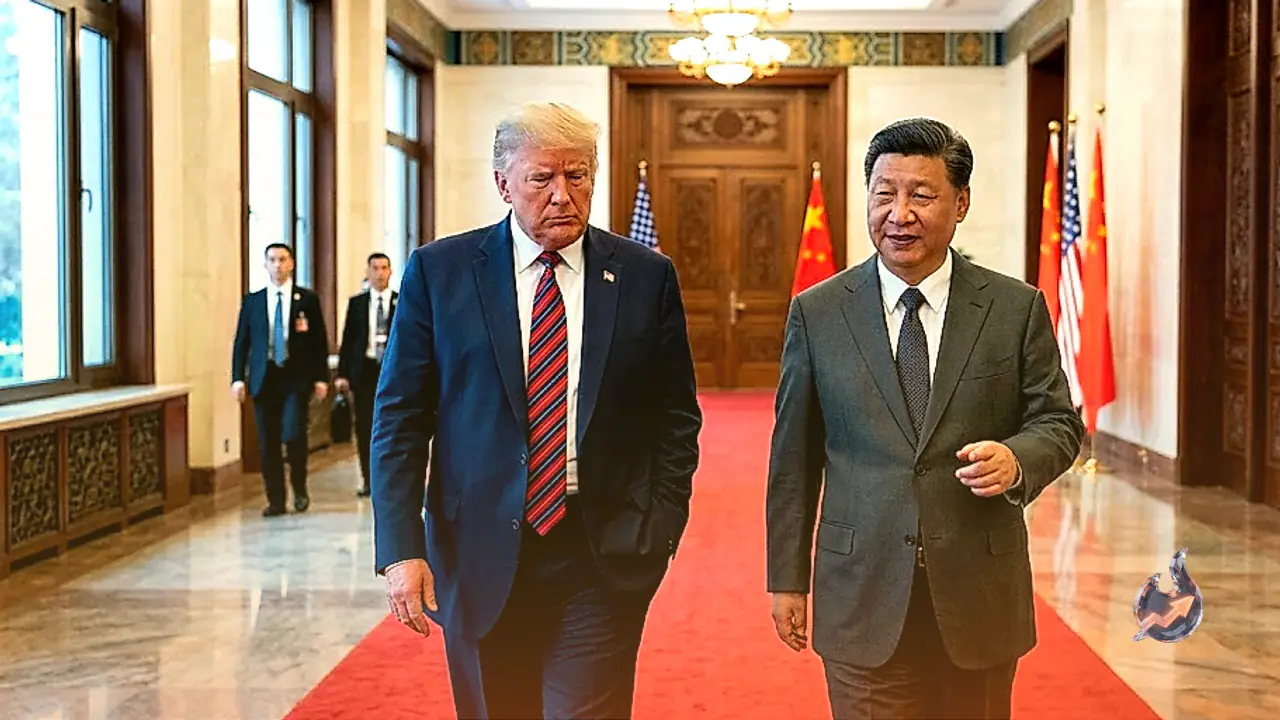















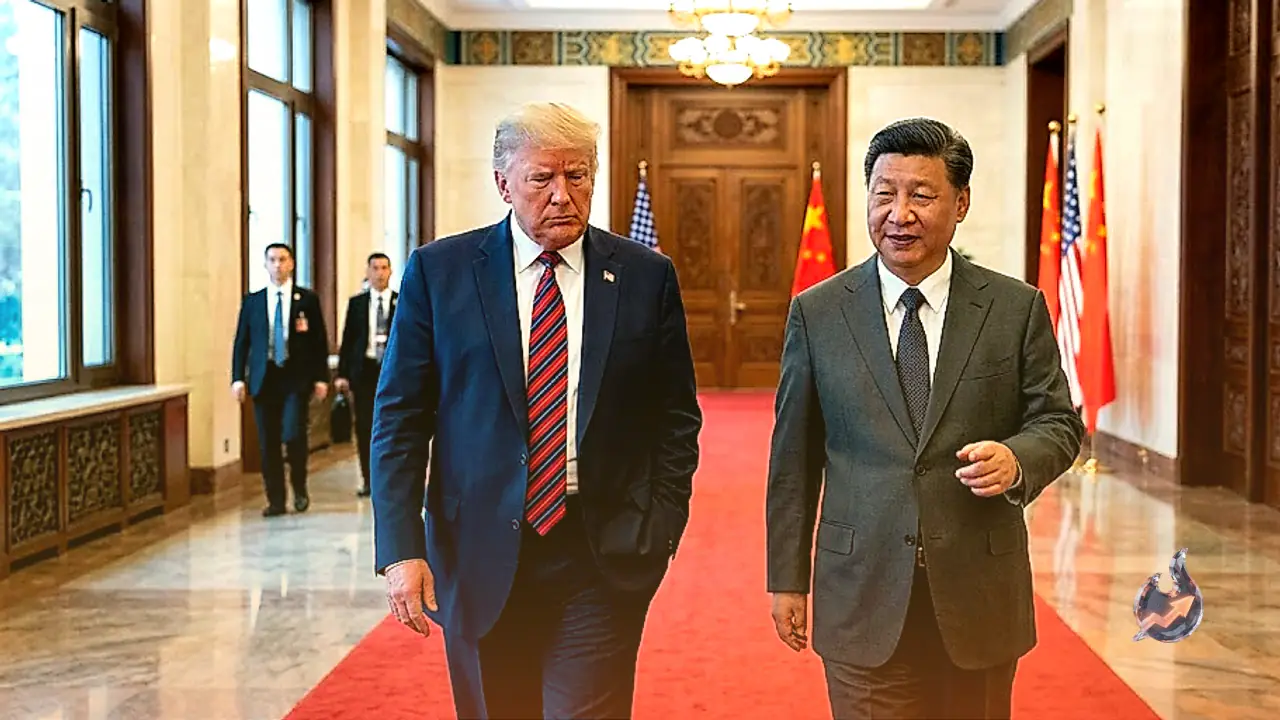

Whenever the two preeminent global superpowers sit across the negotiating table, international attention turns squarely toward their dialogue. Observers routinely anticipate a historic breakthrough, the resolution of an exhausting tariff confrontation, or the signing of a sweeping bilateral pact. Yet, ahead of the high stakes meeting scheduled for September 25 between US President Donald Trump and Chinese President Xi Jinping, expectations of a grand bargain appear fundamentally disconnected from reality. The strategic posture emerging from Beijing strongly indicates that while diplomatic pageantry and public rhetoric will be on full display, the American side will leave the room with virtually no tangible economic concessions in hand.
Marathon Negotiations in New York Yield Tepid Progress
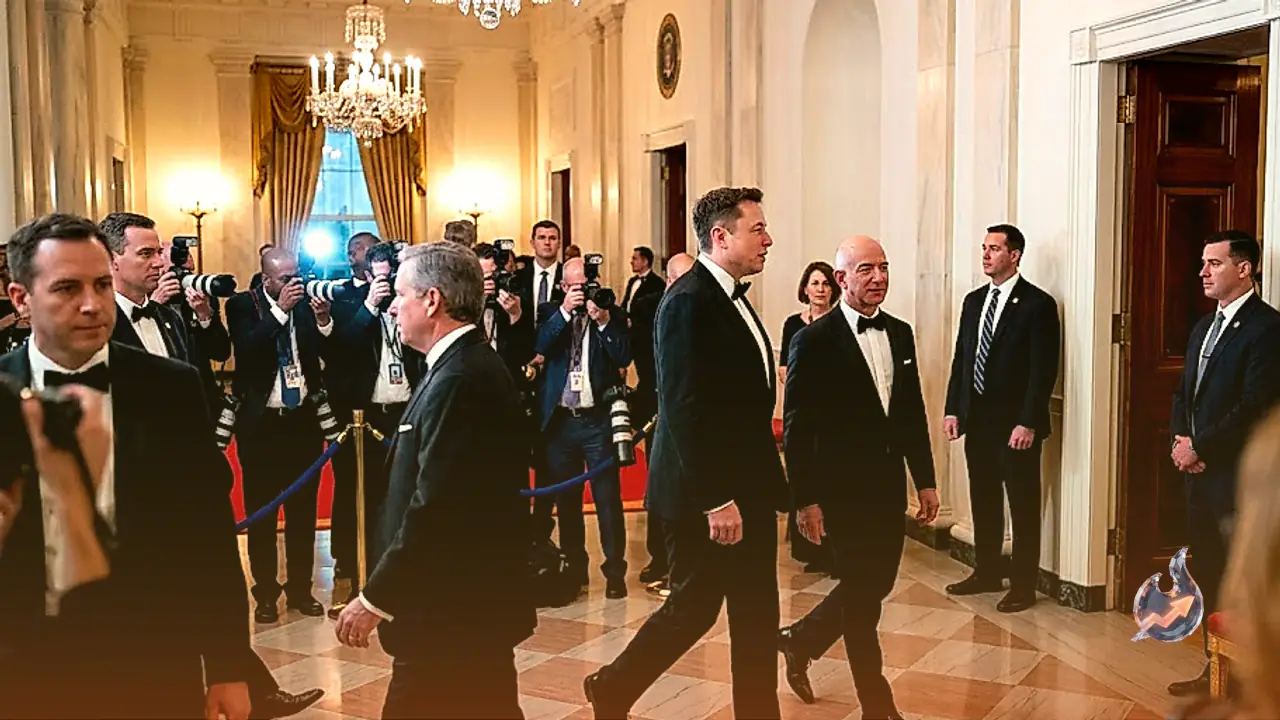
To lay the groundwork for the upcoming presidential interaction, senior officials from both nations recently convened in New York for intensive discussions. US Treasury Secretary Scott Bessent and an official Chinese delegation spent a marathon eight hours locked in deliberations. Following the conclusion of the session, the US Treasury Secretary spoke with considerable enthusiasm, asserting that discussions concerning commerce and artificial intelligence (AI) had been exceptionally positive and productive. However, a deeper examination reveals that eight continuous hours of engagement produced outcomes that were conspicuously modest.
The two sides merely agreed to establish a working mechanism or board to identify potential commercial transactions and evaluate categories eligible for lower tariff rates. Furthermore, officials agreed to seek practical pathways for ongoing dialogue regarding artificial intelligence. Conspicuously absent from the agenda was any meaningful progress on fundamental issues. Neither delegation resolved the longstanding trade war, addressed stability across the Taiwan Strait, nor settled differing perspectives regarding the conflict in the Middle East. With negotiators deliberately sidestepping these pivotal disputes, the burden of addressing core geopolitical fractures was deferred entirely to Donald Trump and Xi Jinping.
Donald Trump Moderates Tone After 145 Percent Tariff Strategy
Not long ago, Donald Trump championed an aggressive economic posture toward Beijing, frequently accusing the nation of causing severe detriment to the American economy. His administration enacted aggressive tariffs reaching as high as 145 percent across an expansive array of Chinese manufactured imports. During that phase, the underlying strategy was designed to force Beijing into submission through acute financial pressure.
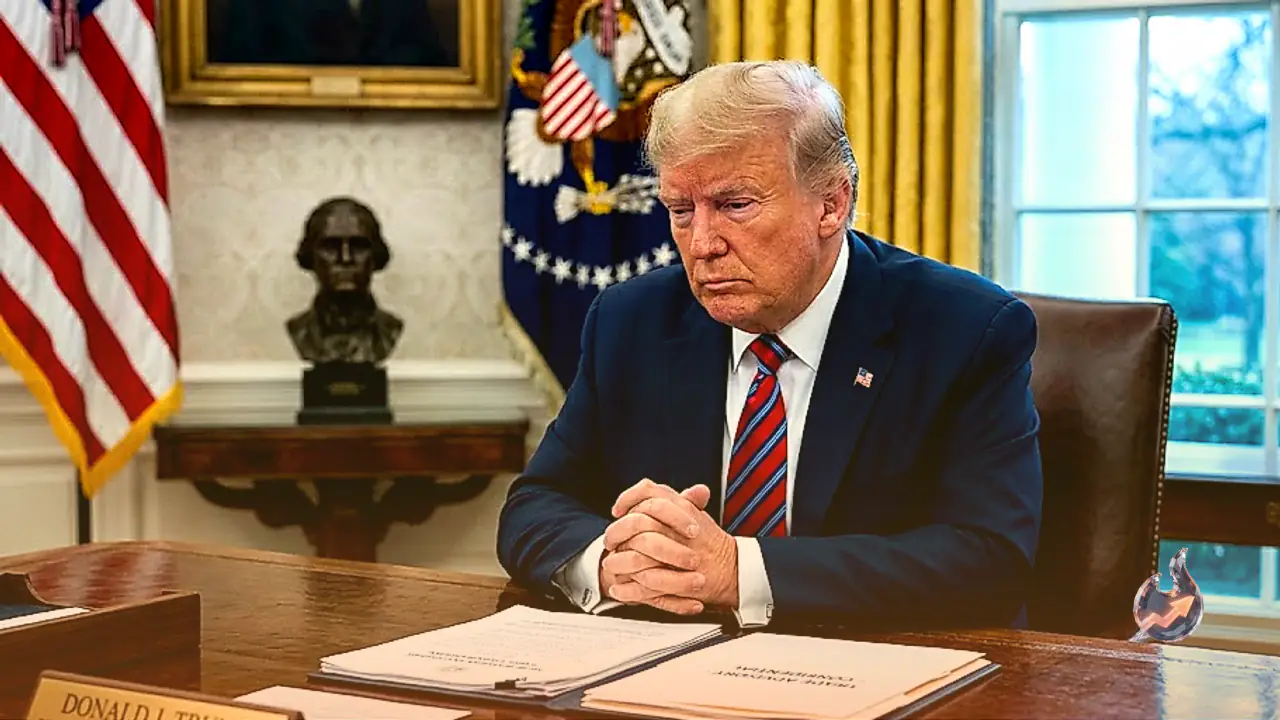
More recently, however, the American president has adopted a distinctly conciliatory tone. In response to inquiries regarding bilateral relations, Trump remarked that engagement with Beijing was progressing smoothly, emphasizing his positive personal rapport with President Xi Jinping. He candidly acknowledged that imposing tariffs of 145 percent had proved excessive and inflicted severe strain on China, concluding that he no longer favored sustaining such heavy measures.
This shift in tone is not accidental. The tariff campaign ran directly into its operational limitations, producing adverse domestic repercussions while demonstrating that economic coercion alone could not compel Beijing to overhaul its economic framework.
A 1 Trillion Dollar Trade Surplus Gives Beijing the Upper Hand
The primary explanation for why Xi Jinping enters the summit in an exceptionally commanding position rests upon macroeconomic data that underscore China's enduring manufacturing dominance.
- Global Trade Surplus: China's cumulative global trade surplus has officially crossed the 1 trillion dollar milestone. This demonstrates that the total value of goods China ships abroad exceeds its imports from the rest of the world by more than 1 trillion dollars.
- Resilience to Tariffs: Despite multiple rounds of duties and export restrictions, Chinese manufacturing output has not suffered structural contraction, continuing instead to expand across international markets.
- Supplies Across 6,500 Categories: Reliable trade data shows that China supplies products across roughly 6,500 distinct product categories to the American market. Crucially, during the current year, export volumes expanded in more than half of those categories rather than declining.
Given that commercial flows between the two nations have expanded rather than contracted despite aggressive duties, Beijing feels no urgent necessity to concede ground. Xi Jinping recognizes that macroeconomic timing favors his posture. Consequently, rather than offering major structural concessions, Beijing will likely limit its offer to procedural extensions of tariff pauses, effectively presenting a polished but empty gesture to the American delegation.
Taiwan Security and the 14 Billion Dollar Weapons Package
Beyond commercial competition, security considerations surrounding Taiwan represent the most volatile topic facing the two leaders. The United States has structured an extensive arms package valued at 14 billion dollars for Taiwan, comprising advanced missiles, anti-drone defense hardware, and integrated air defense installations.
Formal sign-off on this 14 billion dollar defense transaction remains on Donald Trump's desk. During the summit, Xi Jinping is expected to apply direct pressure on the American president to freeze or shelve the weapons package. Observers note a significant likelihood that Trump could entertain Beijing's demands, particularly as his administration grapples with escalating security concerns in the Middle East and wider global commitments. Under these circumstances, Washington appears eager to avoid igniting a direct standoff over Taiwan.
Artificial Intelligence and the Unyielding Race for Tech Supremacy
On matters involving artificial intelligence and next-generation technologies, the probability of an enforceable compromise remains negligible. Donald Trump has repeatedly affirmed that the United States will not deliberately constrain its pace of innovation in frontier technologies and artificial intelligence. Because Washington refuses to compromise its technological lead, Beijing possesses every incentive to accelerate its own domestic research and deployment.
Any common ground reached on artificial intelligence will inevitably remain narrow and fragmented. Neither nation is prepared to surrender its strategic advantage in advanced computing to secure a headline agreement.
Managing Friction Rather Than Resolving Deep Differences
When evaluated comprehensively, the September 25 summit between the United States and China will serve as an exercise in diplomatic risk management rather than a historic turning point. While both leaders will project engagement to stabilize markets and reassure domestic audiences, the fundamental structural disputes dividing both powers will remain unresolved.