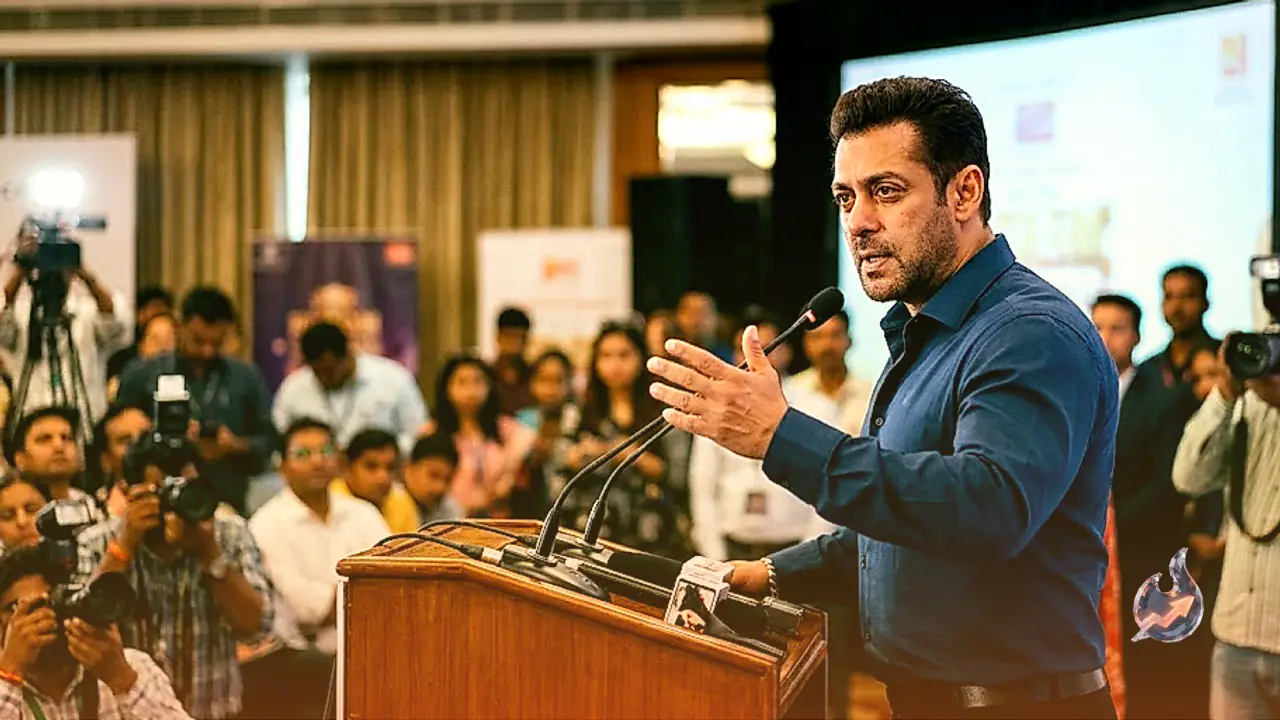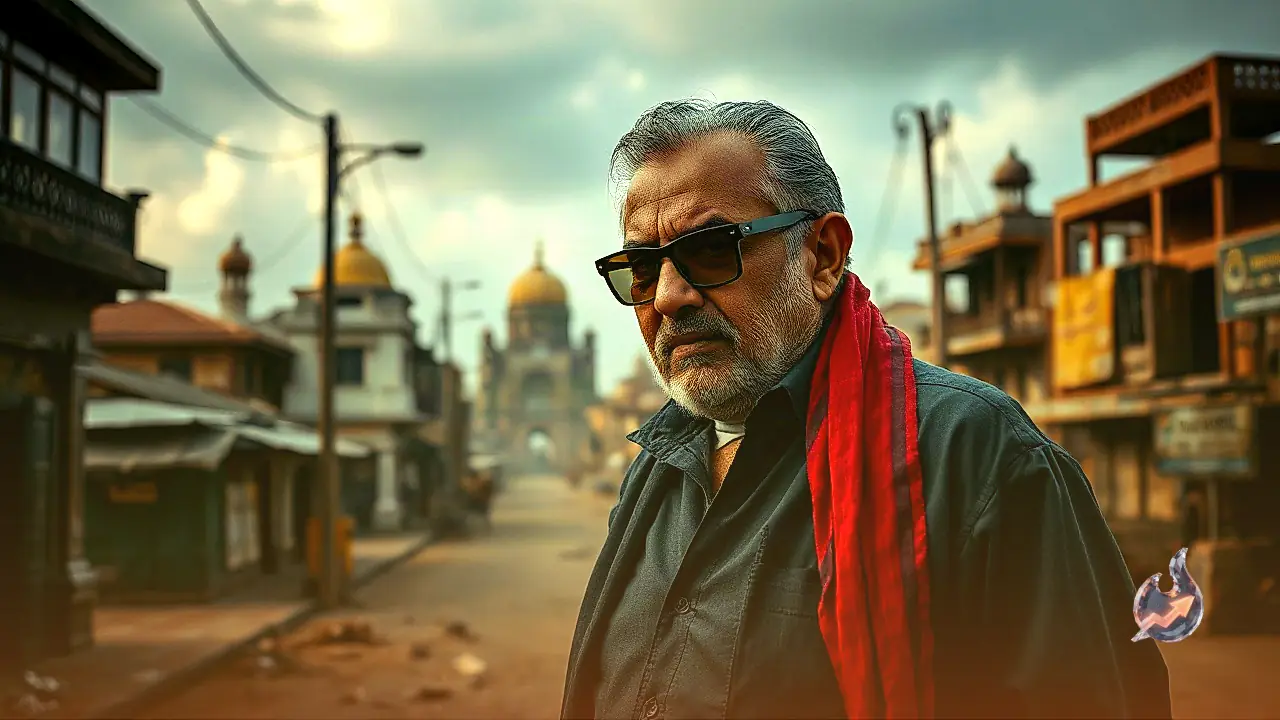





















Renowned for his raw intensity and uncompromising screen presence, Nana Patekar has maintained an equally profound bond with social advocacy beyond the film set. For decades, his vocal stance on agricultural hardship and agrarian rights has set him apart in the entertainment industry. Adding personal texture to this reputation, writer Ranbir Pushp recently opened up about his long association with the veteran actor, recounting moments that illustrate both his quiet generosity and his uncompromising temperament. Pushp, who collaborated with Patekar on Partho Ghosh's 1996 psychological thriller Agni Sakshi, shared detailed anecdotes stemming from their decades-long acquaintance.
Cancelling a 1.5 Crore Vehicle Deal for Rural Relief
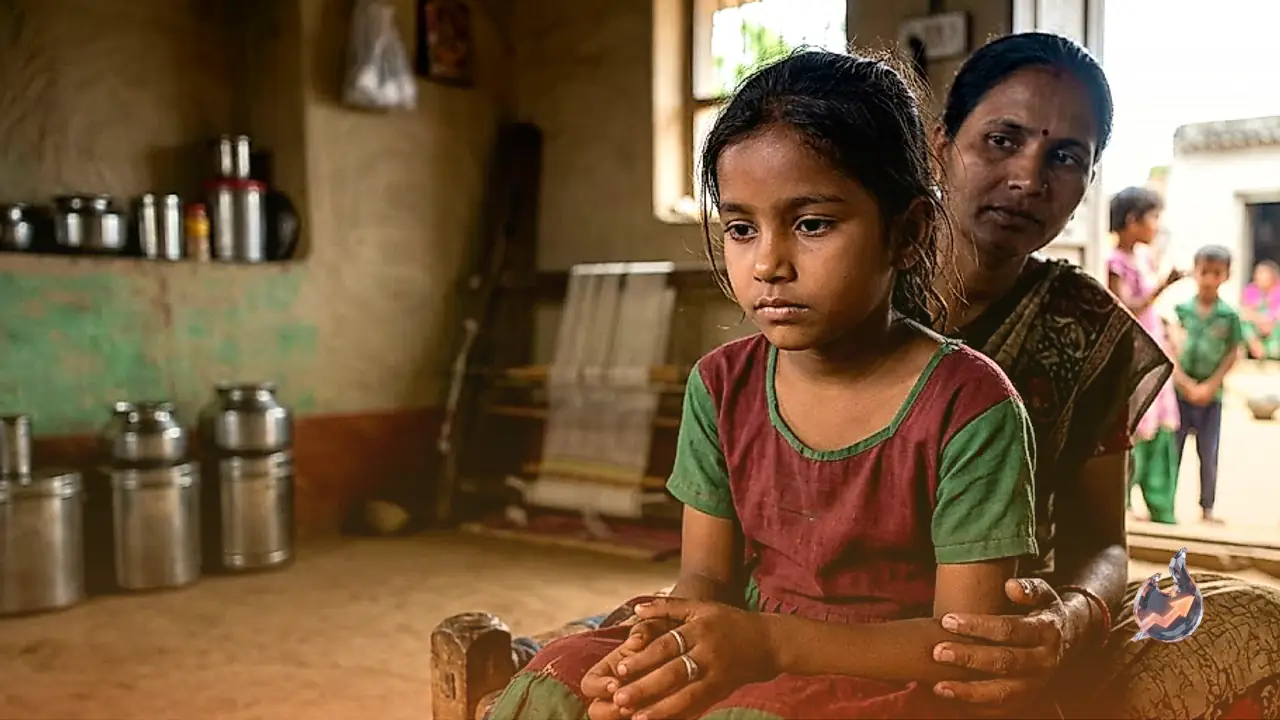
Pushp recounted an incident where Patekar was on the verge of purchasing a brand-new vehicle valued at 1.5 crore. All arrangements had been finalized, the paperwork was complete, and delivery was scheduled for the very next day. However, while watching television that evening, the actor came across a devastating news bulletin detailing the suicide of a farmer. The report showed an entire rural household submerged in immense grief, shattered by overwhelming financial hardship.
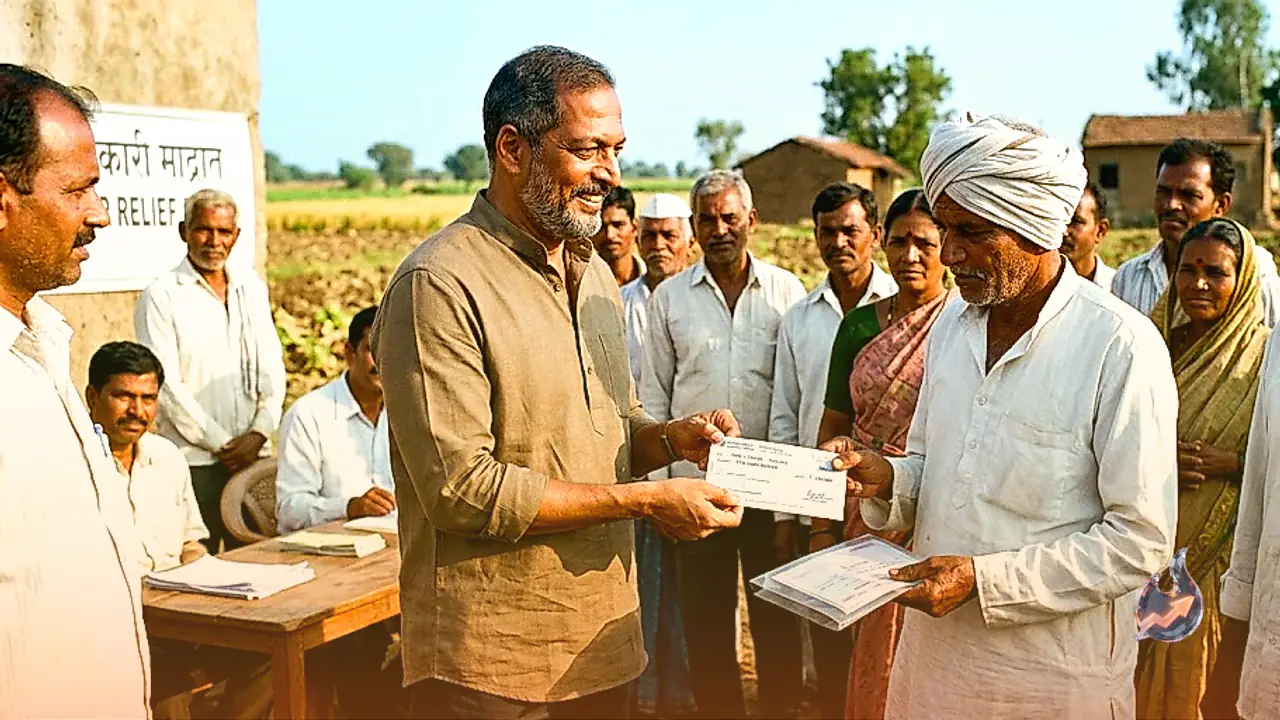
The tragedy moved Patekar deeply and prompted an immediate shift in priorities. Without hesitation, he contacted his associate right after seeing the news and cancelled the car purchase. Instead, he instructed that the entire budget be directed toward financial aid, requesting cheques of 15,000 each to be issued and distributed to struggling farming households. As the co-founder of the NAAM Foundation, Patekar has consistently stepped forward to wipe the tears of grieving agrarian communities across drought-prone regions.
The Conviction Behind His Temper and a Lesson in Civic Duty
While Patekar's philanthropy is widely respected, his short-tempered nature and explosive reactions have frequently made headlines. Addressing this trait, Pushp pointed out that the actor rarely loses his cool without strong cause. His anger typically flares up only when he is absolutely convinced that an injustice or wrongdoing has occurred and that he is standing on the side of truth.
To illustrate how this conviction manifests in daily life, the writer described an incident witnessed on a city road. After spotting an occupant in another vehicle tossing a discarded bottle onto the street, Patekar halted his moving car, stepped out, and retrieved the trash from the pavement. Driving up to the offender's car at the next traffic signal, he confronted the driver directly, asking who was supposed to keep the country clean now that Mahatma Gandhi was gone. He pressed the individual on whether civic duty now rested on ordinary citizens, pointedly asking if he should toss the discarded bottle back inside their car. Similar clashes of intense conviction also led to well-documented creative disputes on movie sets, including his infamous disagreements with filmmaker Vidhu Vinod Chopra during a production.