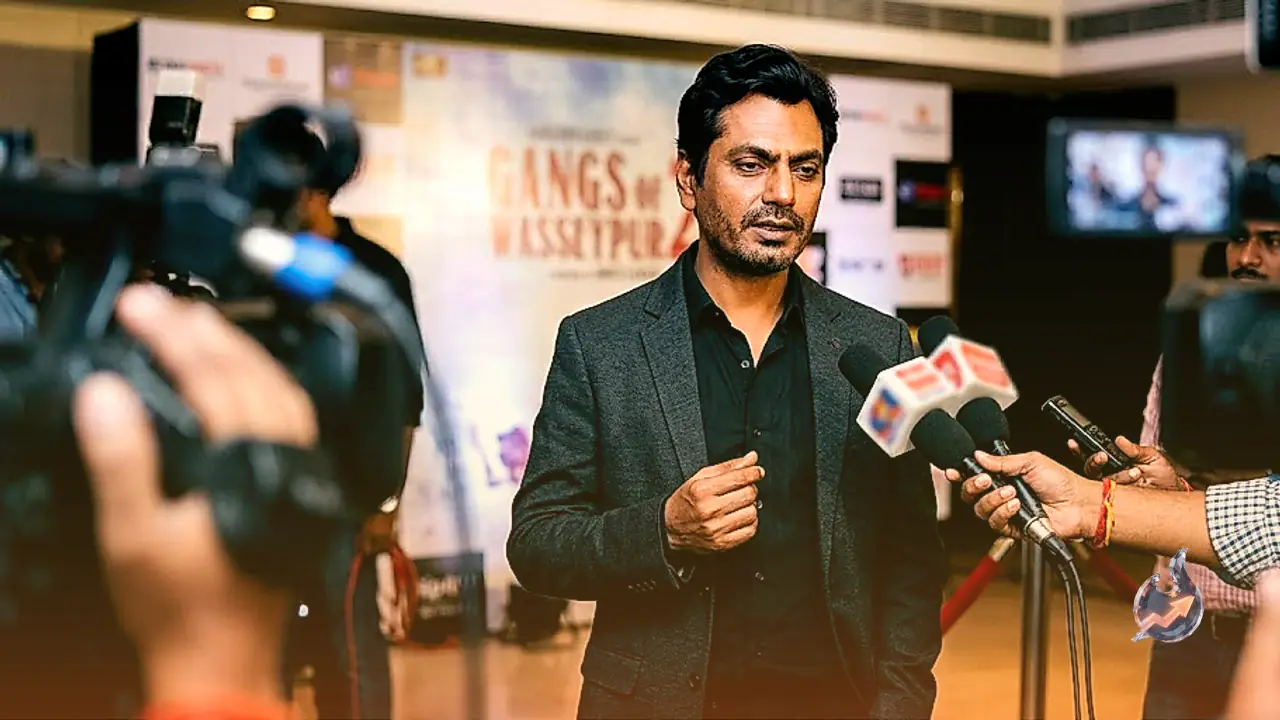



















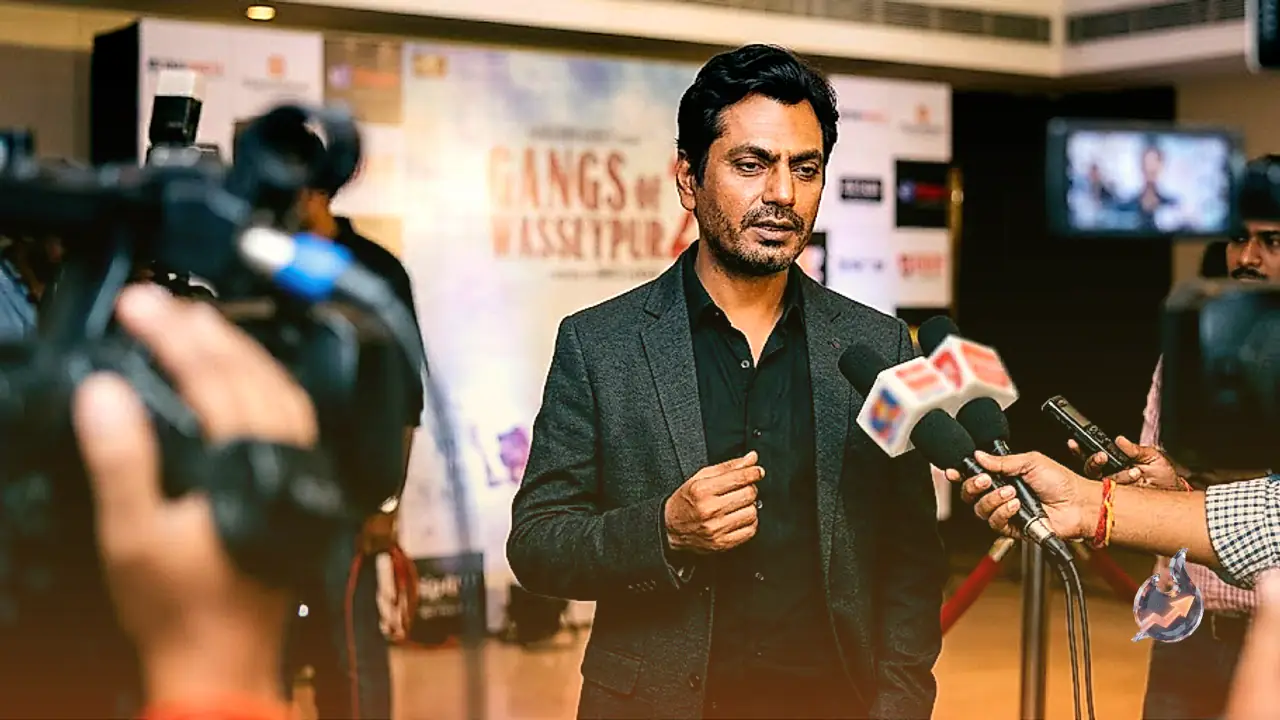

Accomplished Indian actor Nawazuddin Siddiqui has opened up about the pivotal moment that reshaped his cinematic journey. Despite not conforming to the conventional mould of a traditional Bollywood hero, he carved out a dedicated space purely through the strength of his craft. When asked in a recent interview about the specific film that first made him feel like a genuine star, he instantly pointed to the 2012 crime epic Gangs of Wasseypur 2.
The Phenomenon of Faizal Khan
Helmed by director Anurag Kashyap, both instalments of Gangs of Wasseypur arrived in cinemas back in 2012. The two-part saga brought widespread recognition not just to Nawazuddin Siddiqui, but also to co-stars Manoj Bajpayee and Huma Qureshi. Siddiqui's memorable portrayal of Faizal Khan proved to be a massive career breakthrough. The explosive popularity of that singular performance instantly transformed his trajectory, opening doors across the film industry that had previously remained closed.
Blank Cheques and Open Schedules
The runaway success of the film triggered an unprecedented influx of work. Siddiqui shared that he received approximately 200 film scripts in the period following the release. Producers were eager to capitalise on his immense popularity and were fully prepared to meet any financial demand he put forward. Several filmmakers even handed him blank cheques, allowing him to fill in whatever fee he desired. Production houses were also willing to adjust their entire shooting schedules entirely around his availability.
Turning Away 200 Subpar Scripts
While sudden stardom often tempts actors to accept any lucrative assignment that comes their way, Siddiqui chose strict professional restraint. He refused to compromise on his creative standards and chose not to sign a single film from that pile of 200 scripts, concluding that none of the stories possessed the substance or impact he was looking for. He believed holding out for a genuinely compelling role was far wiser than rushing into weak narratives.
Patience Forged by Years of Struggle
Explaining his willingness to bide his time, Siddiqui said,
"I was used to waiting."Having spent years seeking substantial opportunities before his big break, he felt confident that waiting another two to three years for the right script was preferable to taking hasty missteps. Fortunately, he did not have to wait that long, as worthy projects soon followed. Over the past 14 years, Siddiqui has tackled a diverse range of complex roles, earning a distinct standing among audiences and critics alike.