






















A high-stakes military partnership signed with Riyadh has steered Pakistan into an acute geopolitical dilemma, leaving decision-makers in Islamabad caught between crippling economic dependencies and the perils of foreign conflict. Expanding hostilities along the Yemeni border, where Houthi rebels backed by Iran have intensified operations, are placing unprecedented strategic strain on Pakistani military chief Field Marshal Asim Munir as the regional confrontation broadens.
Economic Lifeline Meets Shifting Geopolitical Realities
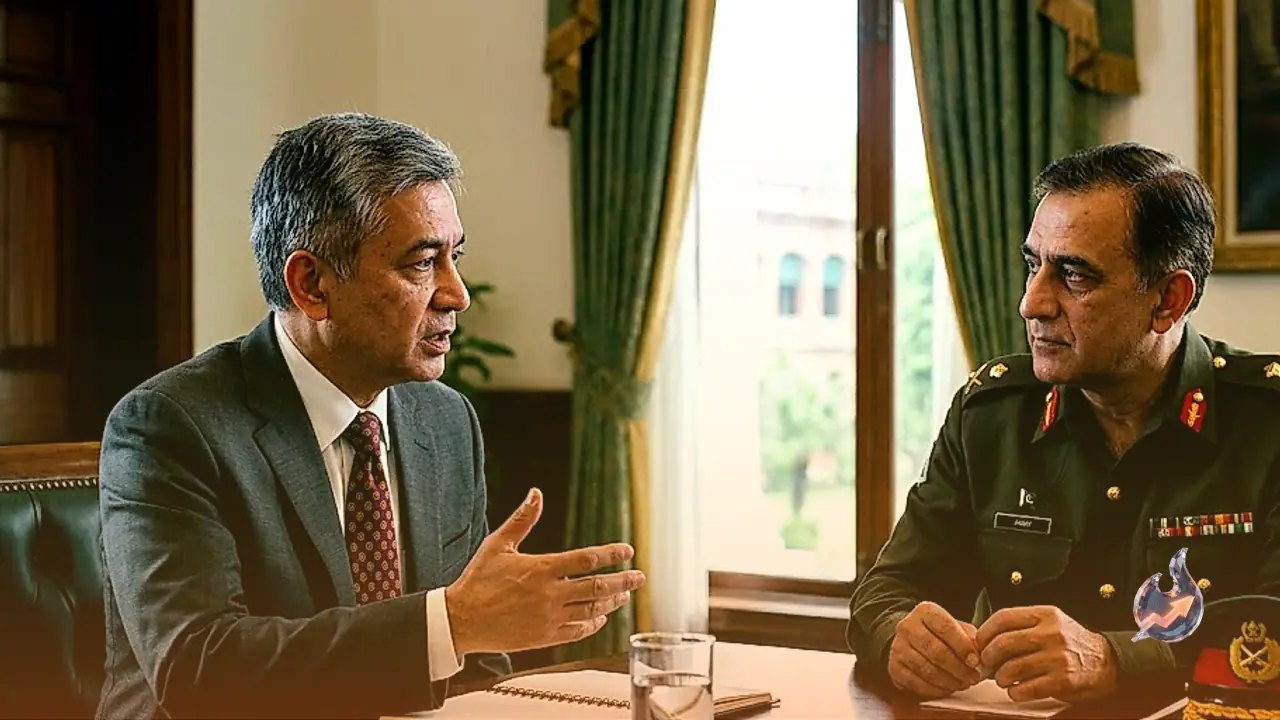
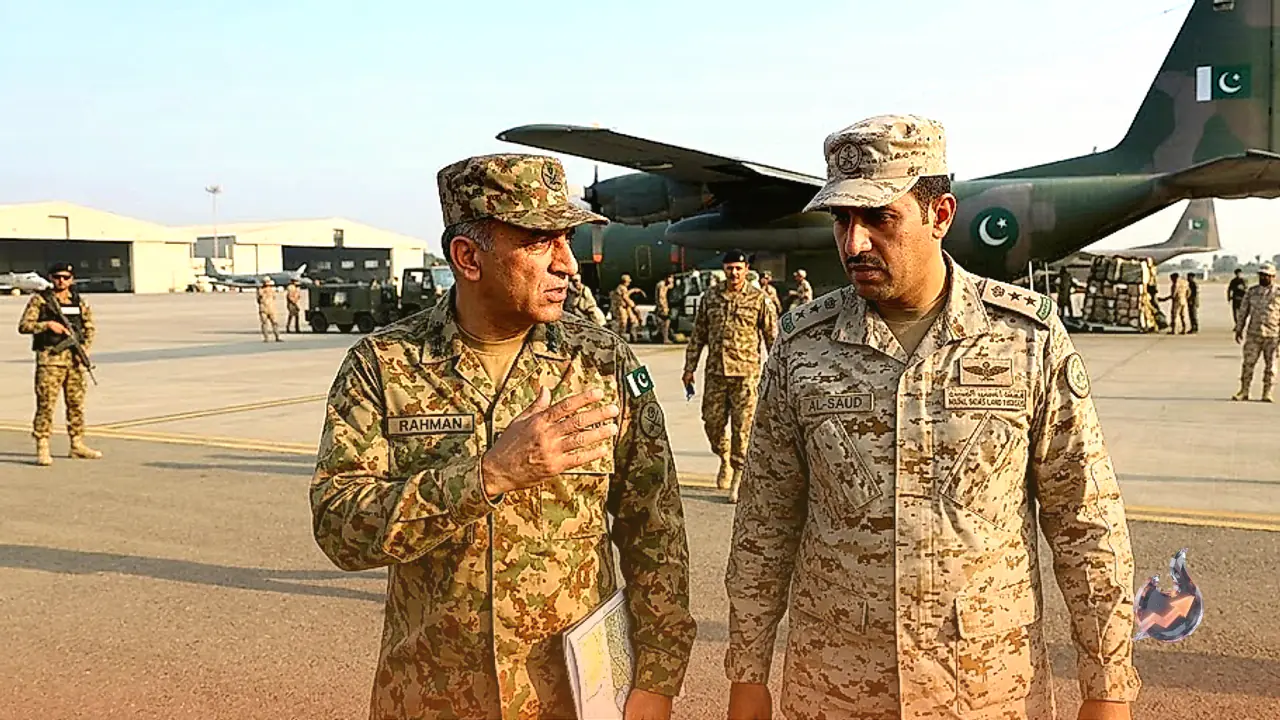
When Field Marshal Asim Munir stood beside Saudi Crown Prince Mohammed bin Salman in Riyadh last September to endorse a bilateral defense pact, Pakistani officials viewed the transaction as an indispensable diplomatic victory. Under the initial framework, Riyadh promised billions of dollars in soft loans and direct investment to shore up Pakistan's fragile reserves, while Pakistan agreed to train Saudi forces and provide military protection against external aggression.
Strategic planners in Islamabad had operated under the optimistic calculation that diplomatic reconciliation between Washington and Tehran would steadily extinguish tensions across the Persian Gulf. That hypothesis unraveled swiftly after American and Israeli strikes hit Iranian targets, triggering retaliatory missile barrages from Tehran across Gulf states and shattering existing regional balances.
Expansion Into Trilateral Makkah Defense Framework
The stakes escalated drastically in August when Turkey was formally brought into the arrangement, transforming the pact into the trilateral Makkah Joint Defense Agreement. Crucially, the three signatory nations accepted a binding mutual defense clause stating that an armed assault against any one member would be treated as an attack against all three.
This commitment has emerged as a severe operational hazard for Pakistan following the collapse of a fragile truce between Riyadh and Yemen's Houthi fighters. The insurgent group captured fresh Yemeni territory while firing drones and guided missiles at Saudi targets, prompting heavy retaliatory airstrikes. Defense analyst Ayesha Siddiqa observed that Munir misjudged the regional threats and the likelihood of having to commit troops to combat on such short notice.
Riyadh's Modern Arsenal Versus Ground Combat Realities
While Saudi Arabia commands advanced combat aircraft and sophisticated Western weaponry, its conventional forces lack substantial ground experience against battle-hardened irregular insurgent networks like the Houthis. Consequently, Pakistan's battle-tested army, shaped by decades of counter-insurgency operations, represents an indispensable combat asset for Riyadh.
Should Saudi Arabia formally invoke the collective defense stipulations of the Makkah agreement, Islamabad would face immense pressure to deploy combat divisions to the battlefield, potentially mobilizing thousands of Pakistani soldiers already stationed in the kingdom for training missions. Pakistan's leverage to decline is constrained by its acute financial reliance on Riyadh, which recently delivered an $8 billion, or £6 billion, funding package to support defense production and foreign investment.
Western Border Volatility and Domestic Backlash
Pakistan's civilian and military leadership harbor deep anxieties about being drawn into an open confrontation with Iran. Islamabad shares a long, volatile frontier with Tehran that is already challenged by cross-border insurgencies and militancy. Direct Pakistani military intervention against Houthi forces would be interpreted by regional actors as an overt hostility toward Tehran, creating severe geopolitical blowback.
Opposition figures within Pakistan have begun voicing sharp resistance against foreign military entanglements. Raja Nasir Abbas, the opposition leader in the Pakistani Senate, warned that joining the hostilities would invite catastrophic consequences for the nation. Abbas emphasized that Pakistan is already confronting two dangerous insurgencies domestically while ordinary citizens endure soaring inflation and severe economic degradation.
Threats to Sacred Landmarks and Vital Maritime Corridors
The spreading regional fire now threatens commercial shipping lanes, petroleum infrastructure, and sacred urban centers. Tensions spiked further when Saudi air defense systems shot down an approaching Houthi drone south of Makkah before it could penetrate the holy city's restricted airspace. With every new cross-border exchange, Islamabad's room for strategic ambiguity shrinks, forcing Pakistan to confront the painful military obligations tethered to its financial rescue lines.