
















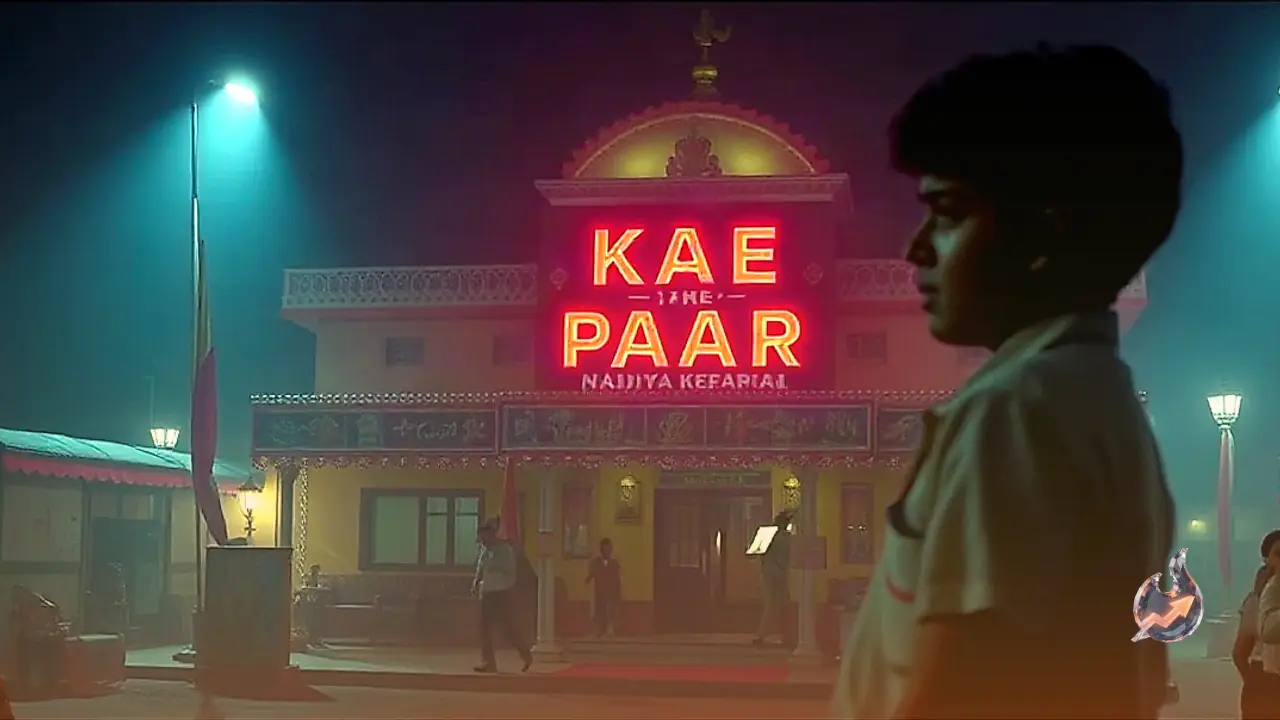

The history of Indian cinema features several watershed moments where films created history without relying on multi-crore budgets, extravagant sets, or top-tier superstars. Released in the year 1982, the iconic film Nadiya Ke Paar stands as one of the most prominent examples of this phenomenon. Centered around the rustic life of rural Uttar Pradesh, the film captured the warmth of human relationships, rural simplicity, and authentic emotional bonds so effectively that theater ticket windows remained packed for months on end. During an era in the 1980s when mainstream Hindi cinema was predominantly driven by action-packed formulas and commercial potboilers, this unassuming family drama produced by Rajshri Productions shattered existing box office records. More than four decades after its initial release, the film continues to resonate not just with older generations who witnessed its theatrical run, but also with modern Gen Z audiences who appreciate its soulful music and timeless storytelling.
The Strategic Vision of Rajshri Productions and a Disciplined 45-Day Schedule
At the beginning of the 1980s, long before the advent of modern multiplexes, single-screen cinema halls were the primary venues for film exhibition, drawing massive crowds that queued up for tickets. During this period, Rajshri Productions, a banner famous for wholesome family entertainment, decided to take a calculated financial risk. Standard feature films produced under the Rajshri banner during that era typically operated on an average budget ranging between 50 lakh and 60 lakh rupees. However, for this particular rural project set in eastern Uttar Pradesh, the producers devised a highly disciplined production framework. The makers resolved to complete the entire film on a strict budget of just 18 lakh rupees without compromising on narrative depth, performance quality, or musical composition. Even more remarkable was the execution timeline: the entire shooting process was wrapped up within an intensive 45-day schedule.
Authentic Filming in Vijaypur Village and a Seamless Mumbai Climax
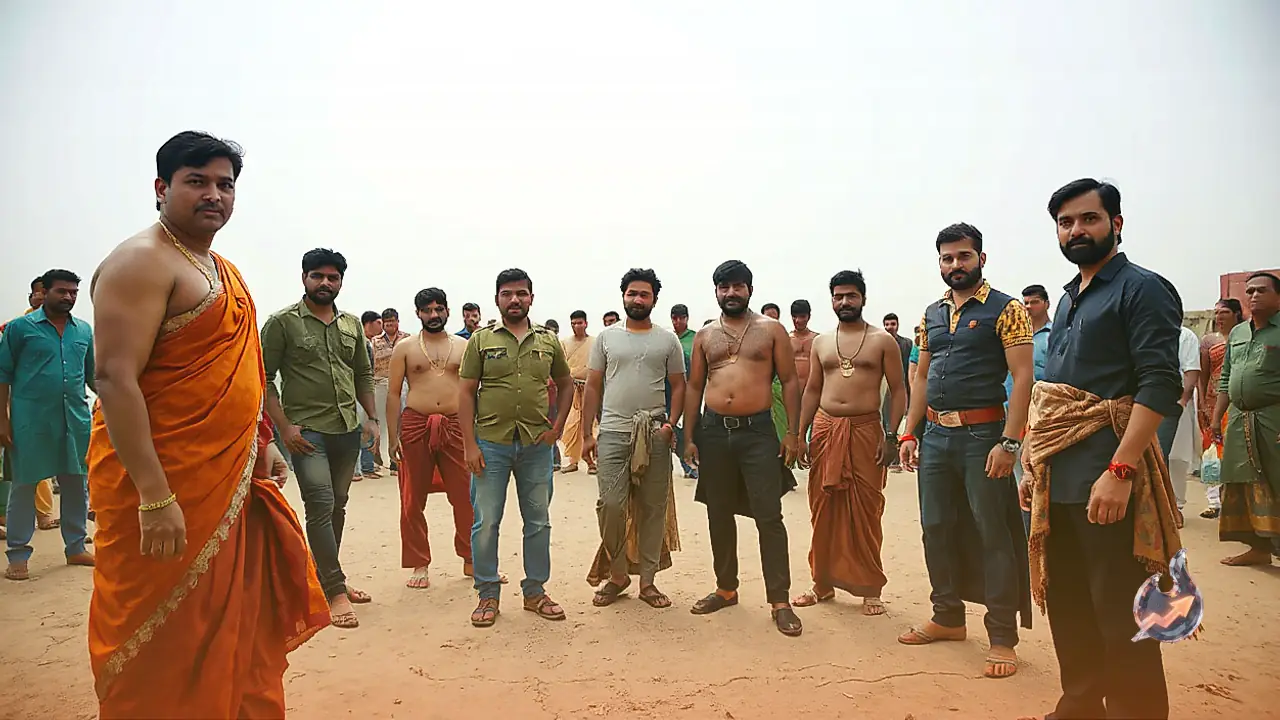
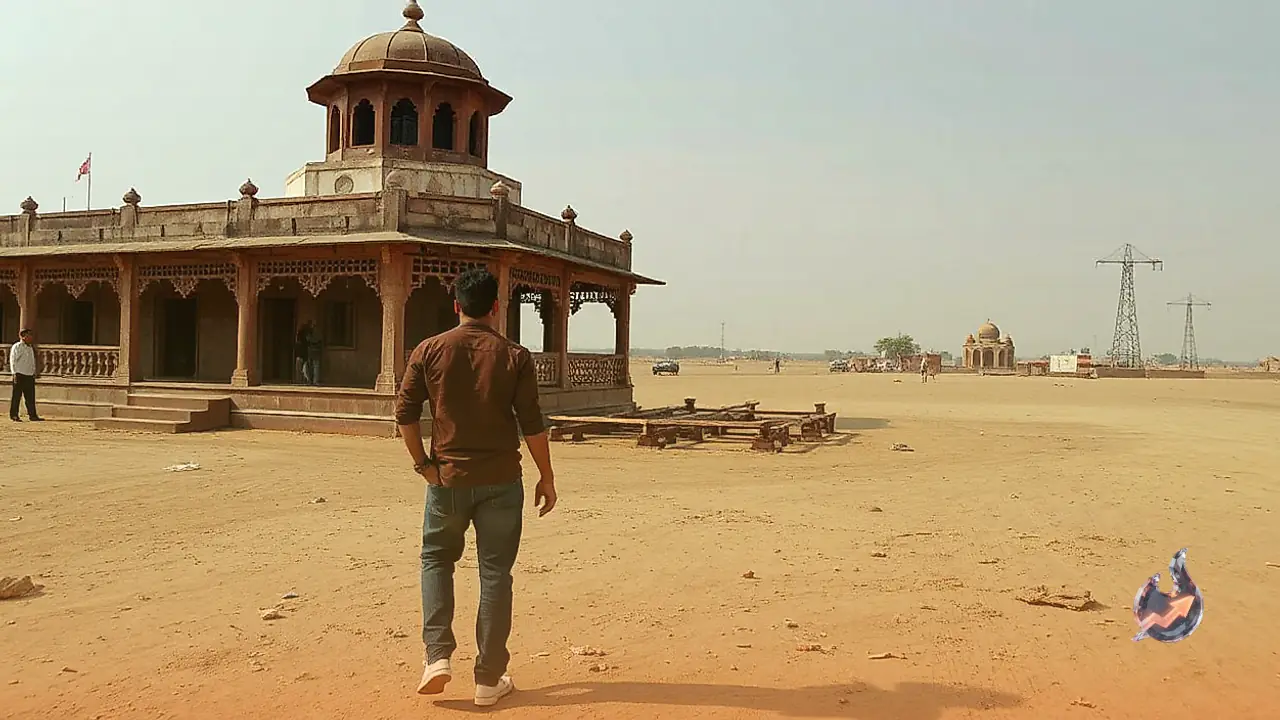
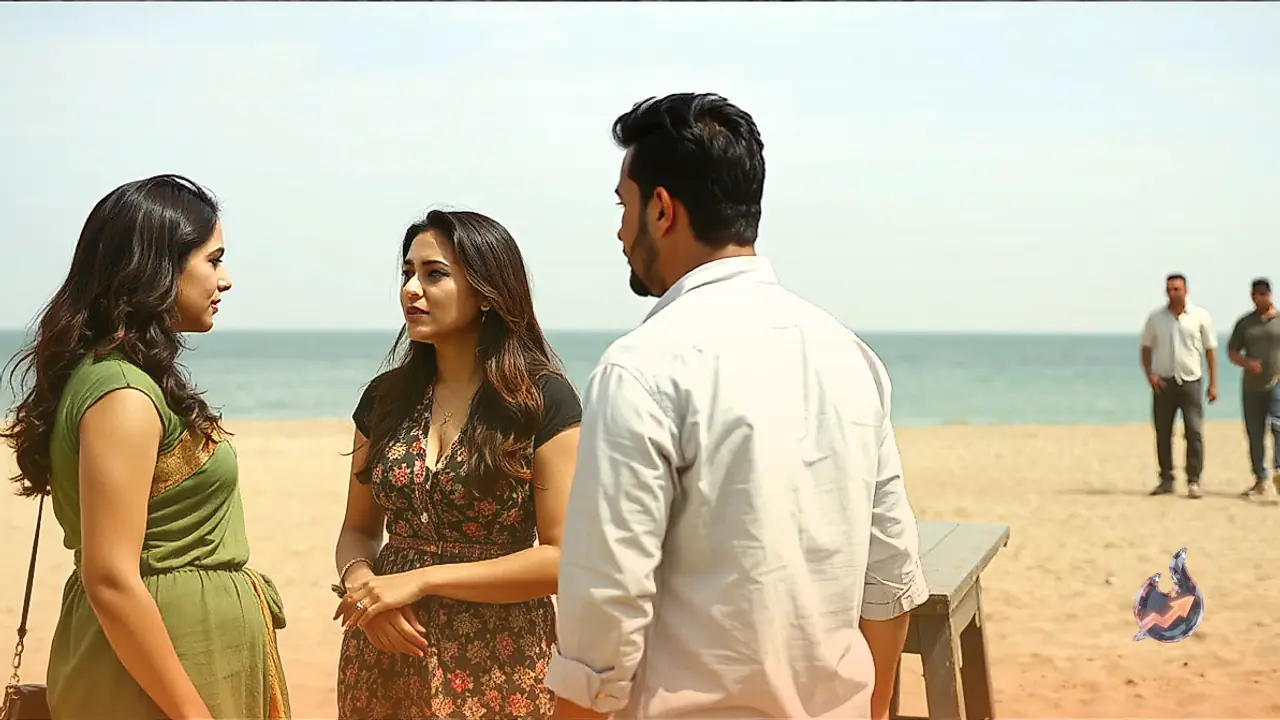
A crucial element behind the realistic appeal of Nadiya Ke Paar was its commitment to location authenticity. The filmmakers realized that erecting artificial sets inside a city studio would fail to convey the genuine texture of village life. Consequently, the cast and crew relocated to Vijaypur, a picturesque village located in the Jaunpur district of Uttar Pradesh. The traditional mud-and-tile houses, lush green agricultural fields, narrow country paths, and active participation of local villagers infused the movie with genuine vitality. Audiences in cinema halls felt as though they were physically present in the village alongside the characters. Interestingly, while the vast majority of the story was filmed on location in Jaunpur, the climactic sequence of the movie was shot on a studio set in Mumbai. Through meticulous direction and seamless editing, this geographical transition between Jaunpur and Mumbai remained completely unnoticeable on the big screen.
The Unprecedented Box Office Phenomenon in Allahabad Running 952 Days
The innocent romance between the lead characters Chandan and Gunja, set against the backdrop of family obligations, triggered a box office sensation that remains a benchmark for film historians. In the city of Allahabad, Uttar Pradesh, audience enthusiasm reached extraordinary heights. Nadiya Ke Paar played to packed houses continuously for 136 consecutive weeks, translating to 952 straight days of housefull shows in local theatres. Transport options were limited at the time, yet entire families, extended relatives, and whole village communities traveled together in bullock carts, agricultural tractors, and small trucks just to watch the film on the big screen. Actor Sachin Pilgaonkar, who played the lead role of Chandan, recalled in an interview that even the producers had not anticipated such overwhelming success. When the film reached its 136th week of uninterrupted screening, Sachin Pilgaonkar visited the Allahabad theatre in person alongside producer Raj Babu, marveling at the incredible crowd and emotional response of the viewers.
An Enduring Cultural Legacy Across Generations
Although cinema technology has advanced dramatically and viewing habits have shifted toward digital streaming platforms, the magic of this 1982 cult classic remains undiminished. Whenever the film is broadcast on television, families continue to gather together to watch it. Its folk-infused soundtrack remains popular at weddings, cultural functions, and festive gatherings across the country. Created on a modest budget of 18 lakh rupees in just 45 days, Nadiya Ke Paar remains enduring proof that compelling storytelling, emotional honesty, and cultural authenticity far outweigh financial expenditure when crafting cinema that stands the test of time.