






















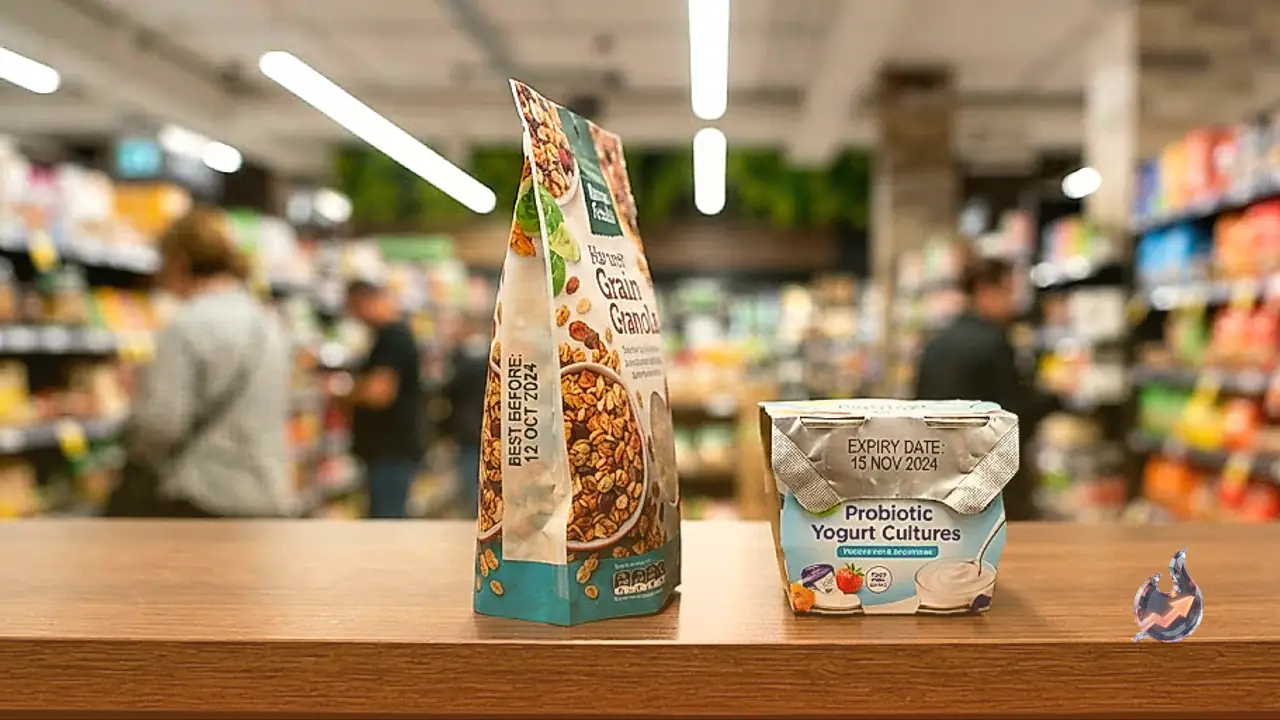

Understanding the printed dates on packaged food items is essential when buying groceries from local stores. Many shoppers pick up biscuits, chips, milk, and other packaged goods without realizing that the dates printed on them do not all mean the same thing. While one date relates primarily to the quality and sensory attributes of the food, the other concerns the absolute safety of consumption. Grasping the exact distinction between these labels helps consumers make informed purchasing decisions and avoid unnecessary health risks.
Alongside the printed date, it is equally crucial to pay close attention to storage instructions, packaging integrity, and the inherent nature of the product. Recognizing how different foods degrade over time ensures that you consume them safely.
When a package is marked with a Best Before date, it signifies that the food item is expected to retain its optimal quality if stored correctly until the specified time. This quality encompasses its flavor, aroma, texture, and overall appearance. For instance, biscuits losing their crispness or chips turning soggy can negatively impact their quality, even if the food has not spoiled in a harmful way.
Reaching past the Best Before date does not automatically mean the food has spoiled on that exact day. However, it also does not guarantee that the product remains completely safe for consumption after the date passes. Safety depends heavily on the specific type of food, its packaging, and how it has been stored since purchase. Relying solely on a visual check or a quick sniff test is not a foolproof guarantee of safety.
Information regarding an Expiry Date or Use By label should always be taken with utmost seriousness. The precise meaning of these terms can vary depending on product labeling standards and local regulations. Generally, they indicate the timeframe within which the food must be consumed. Eating products past this threshold can pose considerable health risks.
This is especially true for dairy items and other highly perishable foods where package instructions must be strictly followed. If a product carries a final use-by date, avoid consuming it once that window closes. Additionally, remember that even with a valid date, food kept at incorrect temperatures can spoil prematurely.
When purchasing packaged goods, decisions should not be driven solely by discounts or attractive prices. Several other critical factors warrant careful attention during shopping.
Always read the dates carefully, checking whether the label indicates a Best Before, Expiry Date, or Use By timeframe. Inspect the physical packaging thoroughly to ensure it is not torn, opened, leaking, or unusually bloated.
Read the storage instructions carefully, as certain food items require refrigeration or cool storage environments. Check the product label for ingredient lists, allergen warnings, and manufacturer details.
Store items correctly after purchase by adhering strictly to the temperature and environmental conditions specified on the packaging.
Is it safe to consume food after the Best Before date has passed? The answer varies from one product to another. While quality may diminish after this date, safety cannot be judged solely by the calendar. If the packaging has already been opened, exposed to humidity or heat, or stored without following instructions, the potential risk increases significantly.
Therefore, never assume a food item is safe simply based on how it smells, tastes, or looks after the date expires. On the other hand, strictly avoid consuming products that have crossed their Expiry Date or Use By limits. Prioritize the instructions printed on the label, and discard any food item if doubts remain.