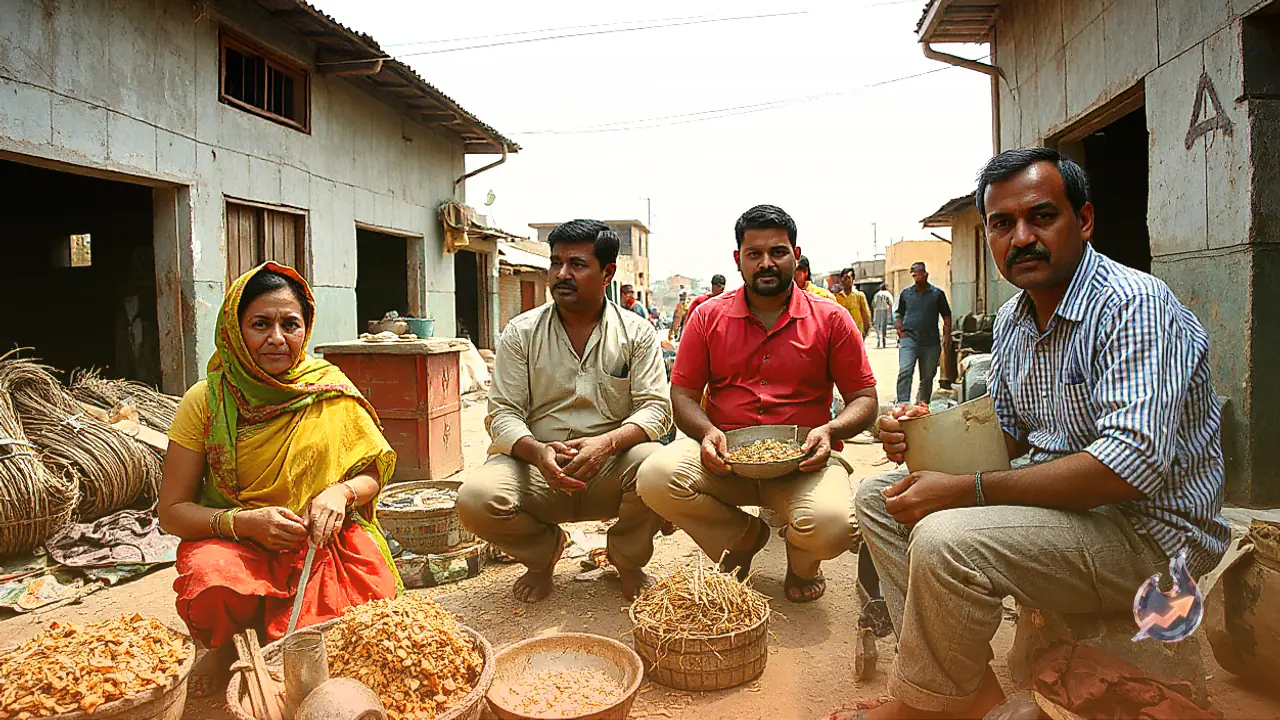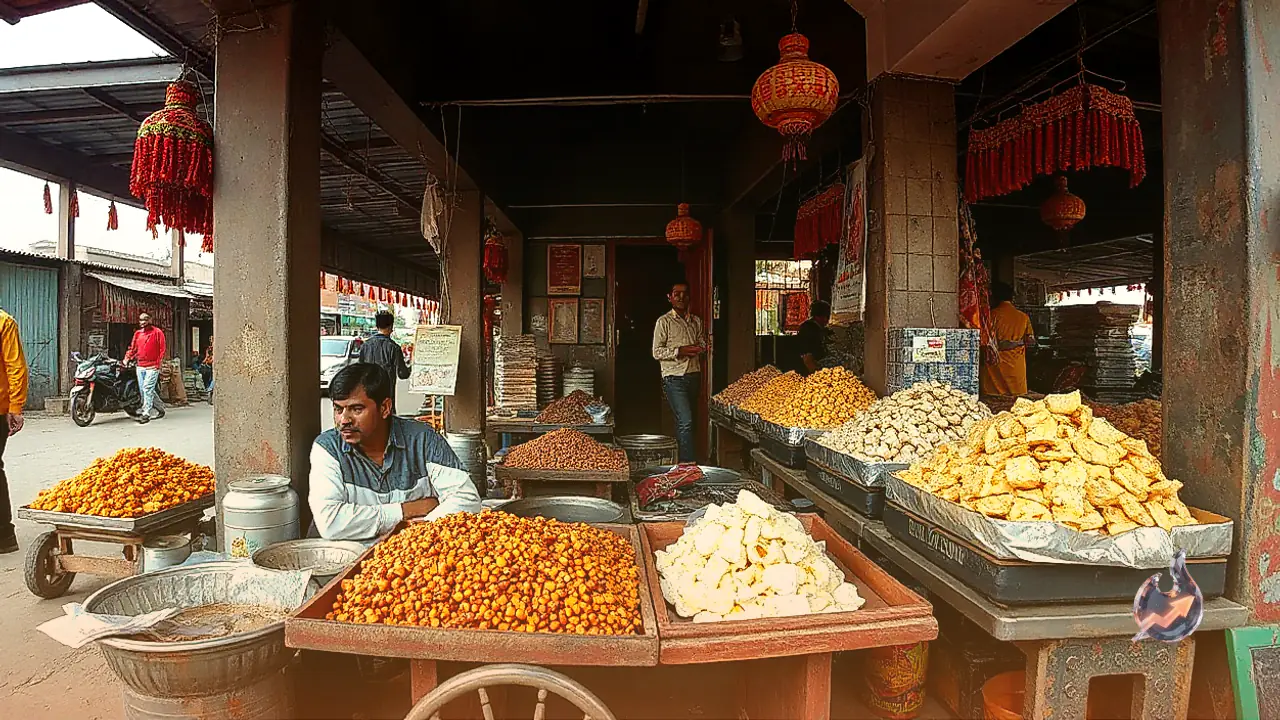


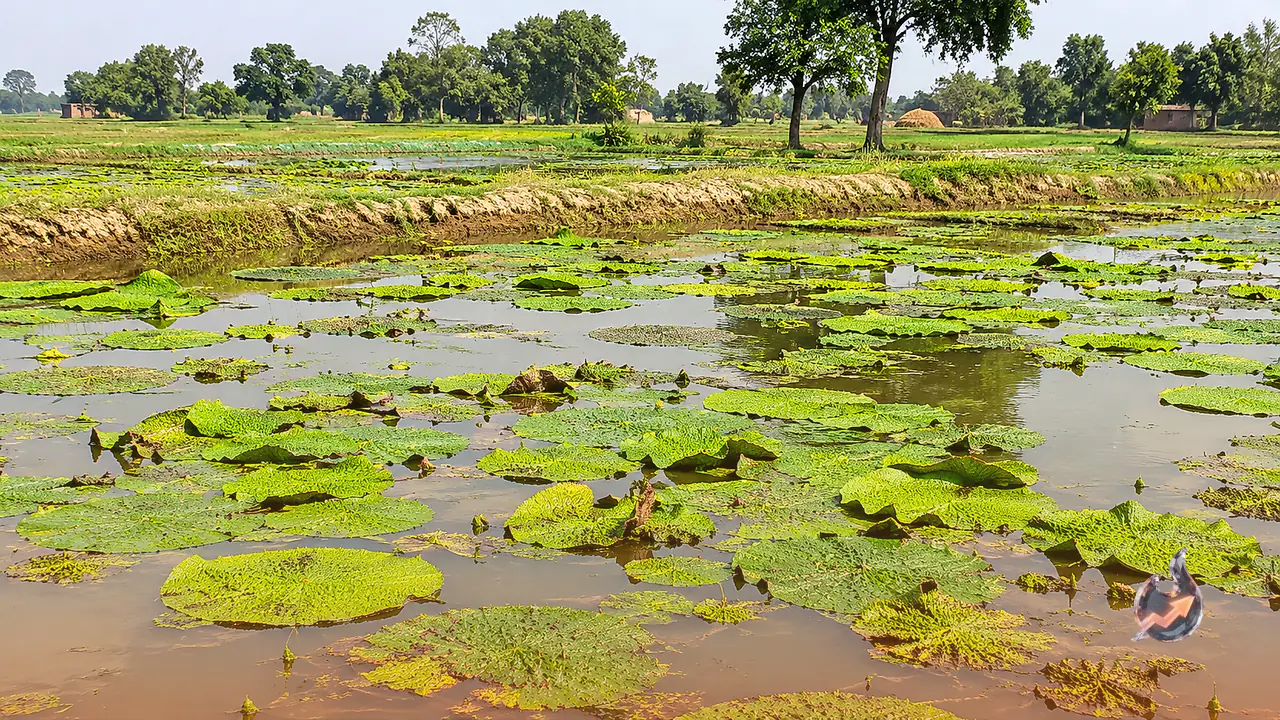

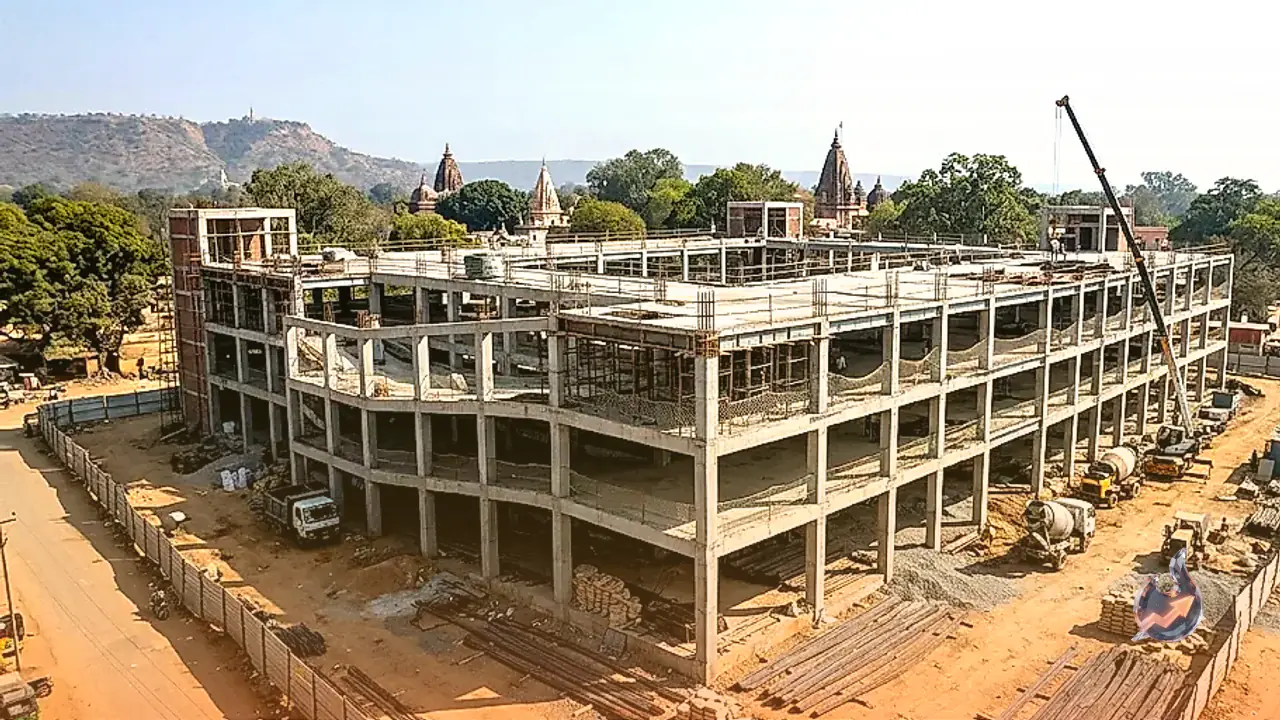



















Farmers in Bahraich who traditionally relied on conventional crops are now shifting towards cultivating fox nuts or makhana to establish a brand-new identity. To transform waterlogged lowland areas into a primary income generator for cultivators, the horticulture department has rolled out a novel initiative. According to Dinesh Chaudhary, the District Horticulture Officer of Bahraich, commercial cultivation of makhana is being promoted in the district for the very first time to uplift the local agrarian community.
Initial Target of Four Hectares and Online Registrations
Under this initiative, the department has earmarked an initial target of four hectares for the first phase of cultivation. Showing proactive participation, five local farmers have already registered themselves on the horticulture department portal. The crop will be grown in the fields of these registered participants during this current season. Officials noted that makhana is widely recognized as a nutrient-dense superfood that enjoys sustained and robust demand in the commercial market throughout the year.
Turning Waterlogged Wastelands Into Profitable Assets
Department representatives highlighted that Bahraich has several pockets where water remains stagnant for eight to ten months a year, making it impossible to grow regular crops. On such submerged lands, cultivating makhana will prove to be remarkably profitable for cultivators. Officials expressed strong confidence that given the vast expanse of lowland geography, Bahraich will witness large-scale makhana production in the near future, enabling local growers to achieve financial prosperity with the active backing of the horticulture department.
Cultivation Techniques and Sowing Timeline
Makhana farming relies on two primary techniques. The first method requires maintaining a continuous water depth of at least two feet in the field, where seedlings are cultivated in a nursery and then transplanted. The second method involves a pond-based approach where seeds are directly sown into water bodies. Once planted, the crop naturally regenerates every year according to its seasonal cycle. According to agricultural experts, the transplanting process is scheduled to commence during the months of December and January, with preparations currently moving at a fast pace.