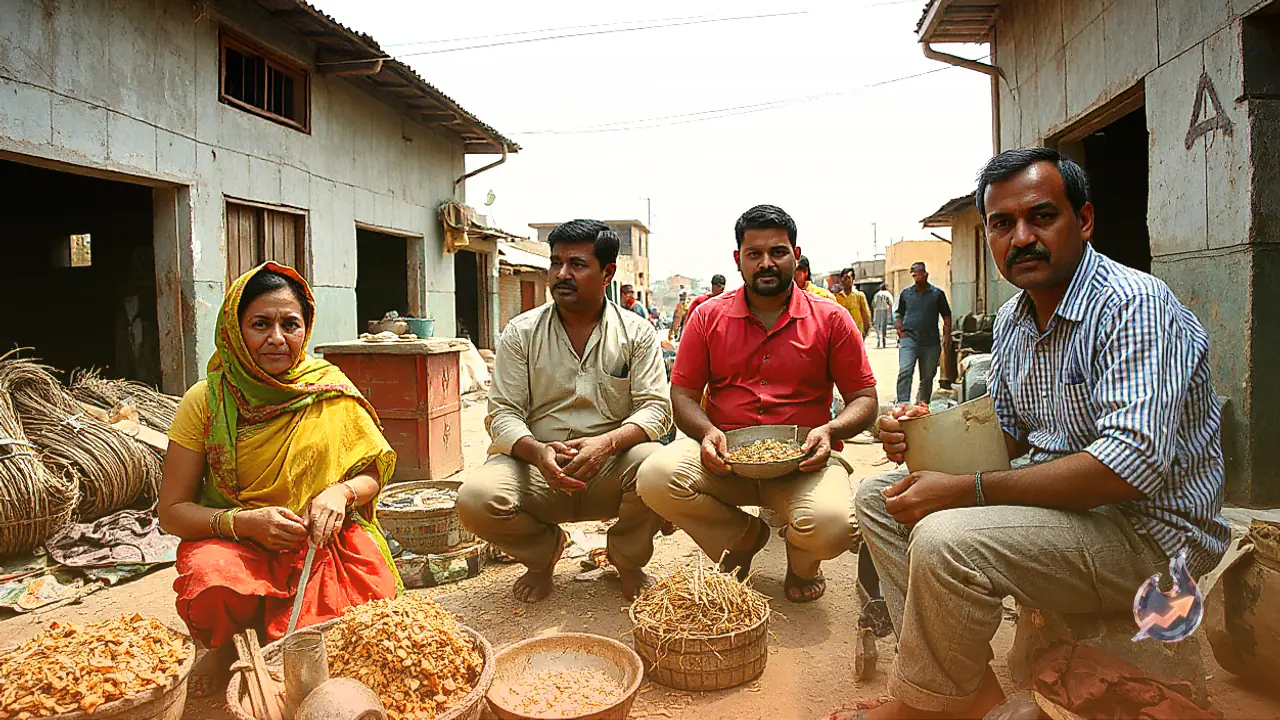
















Individuals engaged in traditional crafts and specialized trades are being offered substantial financial backing by the government to establish their own commercial ventures. Artisans who have successfully completed formal training programs under designated government initiatives can apply for loans up to ten lakh rupees to build or expand their enterprises. The primary objective behind this financial assistance is to empower traditional workers economically and help them scale up their operations.
Training Completion Opens Doors To Funding
According to Azamgarh Assistant Commissioner of Industries Jitendra Yadav, individuals who have finished their training under the Vishwakarma Shram Samman Yojana or PM Vishwakarma and hold valid certificates are eligible to apply for business financing. This monetary support enables skilled workers to step into independent entrepreneurship and modernize their traditional trades.
Subsidies And Financial Relaxations
The funding framework comes with several attractive provisions to ease the financial burden on beneficiaries. Under Uttar Pradesh's Vishwakarma Shram Samman Yojana 2.0, eligible applicants can secure loan assistance reaching up to ten lakh rupees. Additionally, a fifteen percent margin money subsidy is applied to the overall project cost. The scheme also includes provisions for exemptions on interest rates and loan guarantee requirements.
Traditional And Modern Trades Included
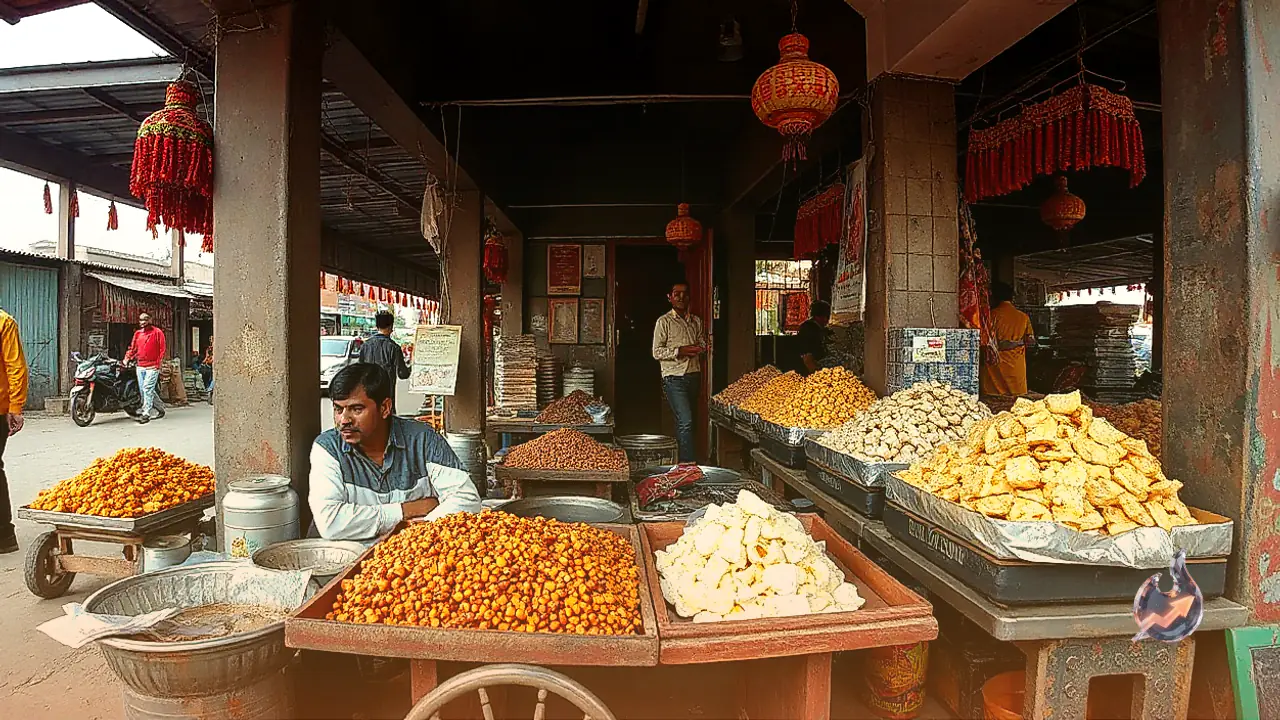
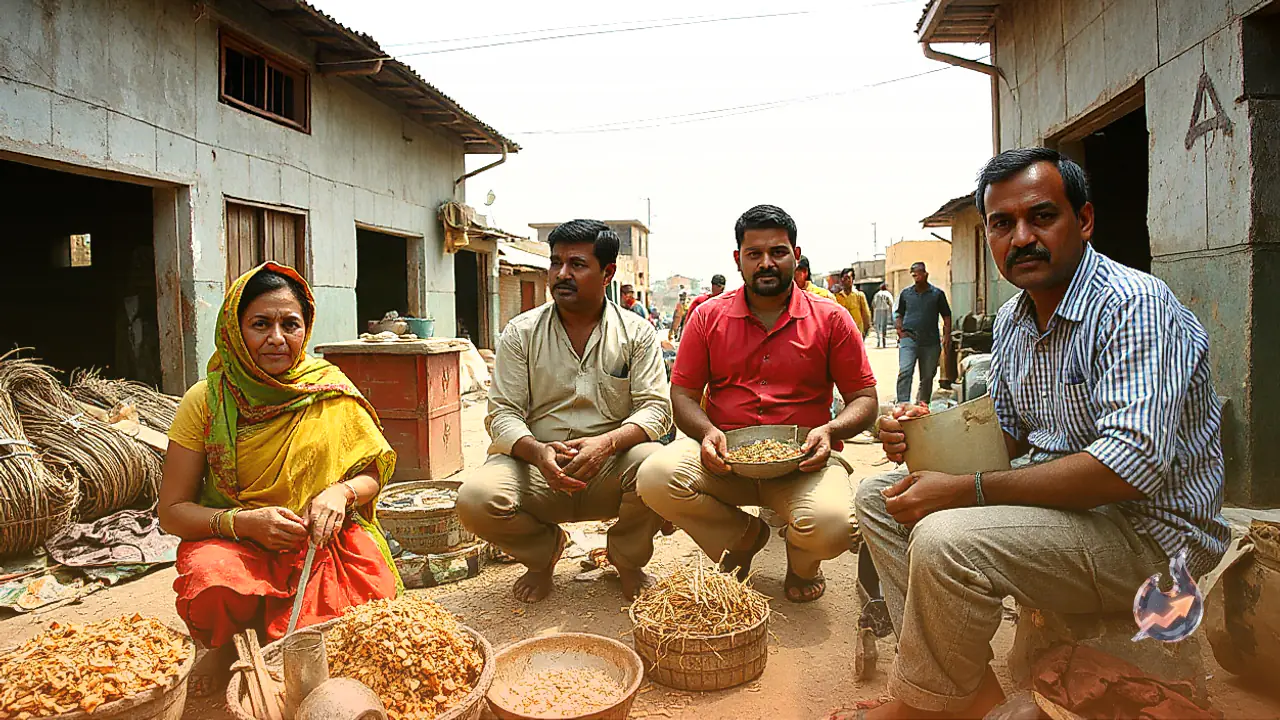
The program encompasses a wide range of occupations, extending beyond historical crafts to include contemporary technical services. Traditional professions such as blacksmiths, potters, carpenters, tailors, barbers, masons, goldsmiths, shoemakers, and basket weavers are fully covered. Furthermore, the updated version of the scheme incorporates modern technical jobs like mobile repairing, plumbing, electrical work, and computer repairing.
Beneficiaries are required to contribute a specific portion of the total project cost from their own resources. Official guidelines stipulate that male applicants from the general category must contribute ten percent of the project cost. In contrast, the contribution requirement is set at five percent for applicants from other categories, which include women, third-gender individuals, persons with disabilities, and ex-servicemen.
Documentation Required For Application
Applying for this financial assistance requires a specific set of verification and training documents. Essential paperwork includes an Aadhaar card, PAN card, photographs, mobile number, caste certificate, proof of date of birth or educational qualification, an affidavit, and a training completion certificate. A detailed project report is also mandatory for the application process. Applicants are advised to verify the final checklist with their local industry department.
Project Report Drives The Loan Procedure
The progression of the loan approval depends heavily on the submitted project report. For projects valued under ten lakh rupees, a computer-generated project report is often sufficient. However, for higher-cost projects, applicants may need to seek assistance from a chartered accountant or industry expert. The ultimate sanction of the loan follows the standard evaluation procedures of the lending banks and relevant government departments.