



















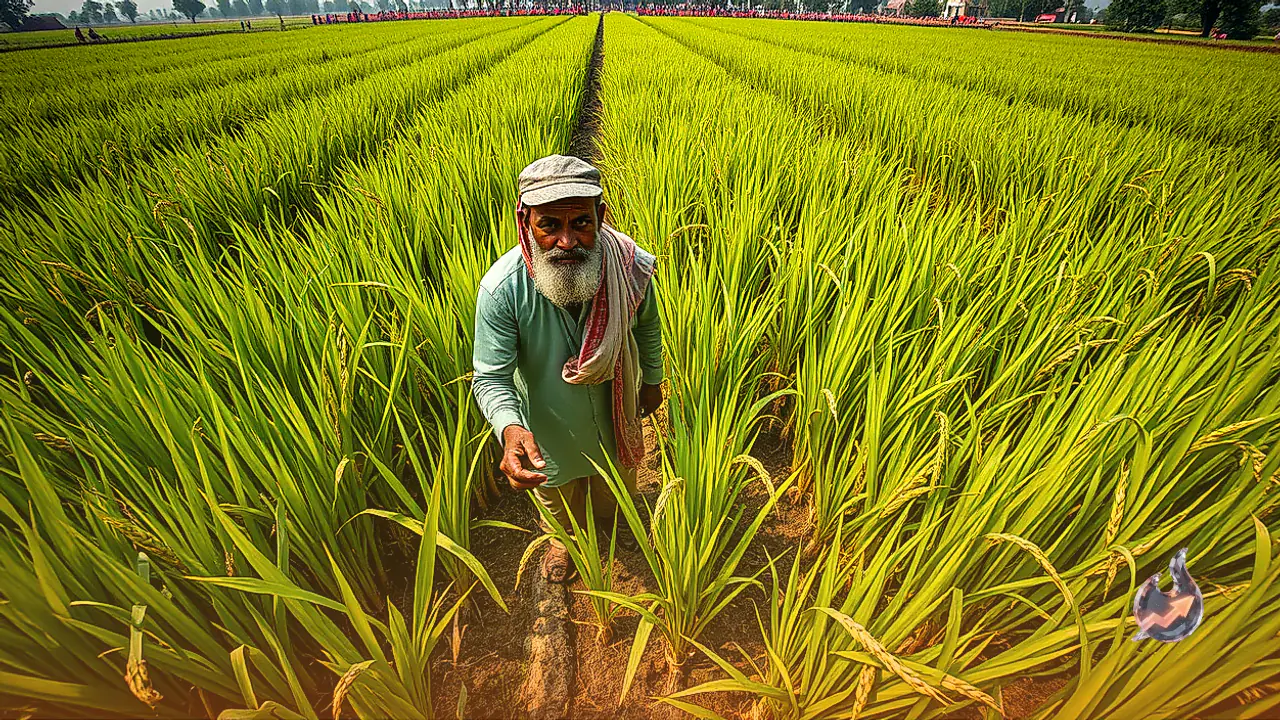

With paddy crops steadily approaching harvest across Bahraich district, agricultural experts have issued valuable guidance for growers cultivating the aromatic Kala Namak variety. According to Dr. Priyanka Singh, a specialist at the local Krishi Vigyan Kendra, cultivators across the district ventured into Kala Namak farming over the past one to two years. However, due to limited awareness regarding prevailing market dynamics and realistic price benchmarks, many growers end up offloading their harvest at distressed rates shortly after reaping.
Nutritional Value and Distinctive Aroma Drive Surging Demand
Dr. Priyanka Singh highlighted that Kala Namak rice enjoys remarkable demand across both domestic and overseas markets, primarily due to three distinctive characteristics. First, it is considered particularly beneficial and healthy for diabetic patients. Second, the grain possesses an appealing natural fragrance that sets it apart from ordinary varieties. Third, its culinary flavor profile is markedly superior to conventional table rice. These traits have combined to elevate its commercial reputation and drive sustained buyer interest across regions.
Information Deficit Traps Growers in Low Returns
The absence of strategic marketing forces cultivators into substantial economic losses. Eager to liquidate produce quickly, farmers often sell their freshly harvested crop for 6,000 rupees to 8,000 rupees per quintal. Yet, once the processed grain reaches commercial retail shelves, consumers pay anywhere between 200 rupees and 250 rupees per kilogram. This translates to an impressive retail value of 20,000 rupees to 25,000 rupees per quintal. Through planned post-harvest processing and marketing, the vast gap between farmgate rates and final selling prices could directly benefit the original cultivators.
Studying Consumer Markets and Eliminating Intermediaries
To help farmers realize the authentic worth of their harvest, the agricultural specialist suggested a two-pronged operational roadmap. Initially, growers should survey retail environments from the perspective of an ordinary consumer. By witnessing firsthand the rates shoppers pay for packaged Kala Namak grain, growers can accurately gauge the true commercial value of their hard work rather than accepting low distributor offers.
The second essential measure entails reducing the distance between the primary producer and the end buyer. Bypassing layers of middlemen guarantees that the profit margin flows straight into farm households. Dr. Singh advised that farmers collaborate with designated government departments to undertake custom packaging and brand creation. Presenting finished packets directly into competitive markets will eliminate intermediary commissions and significantly enhance overall agricultural revenue.