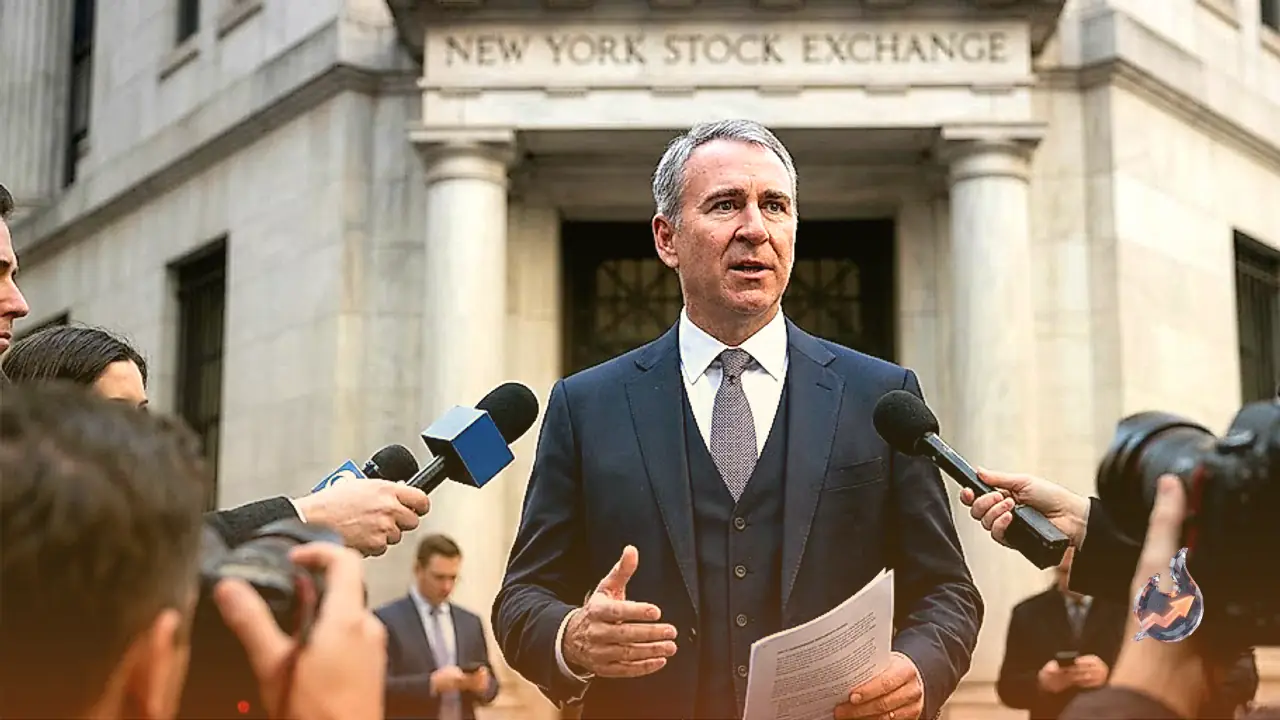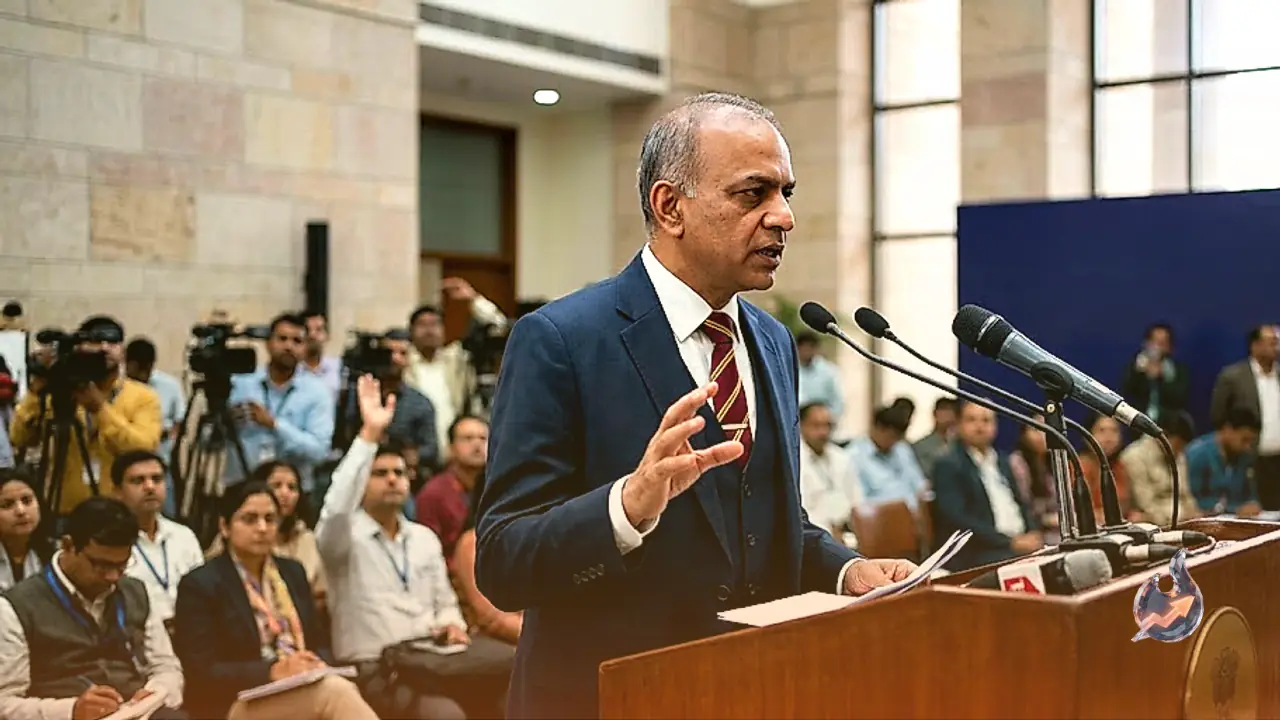

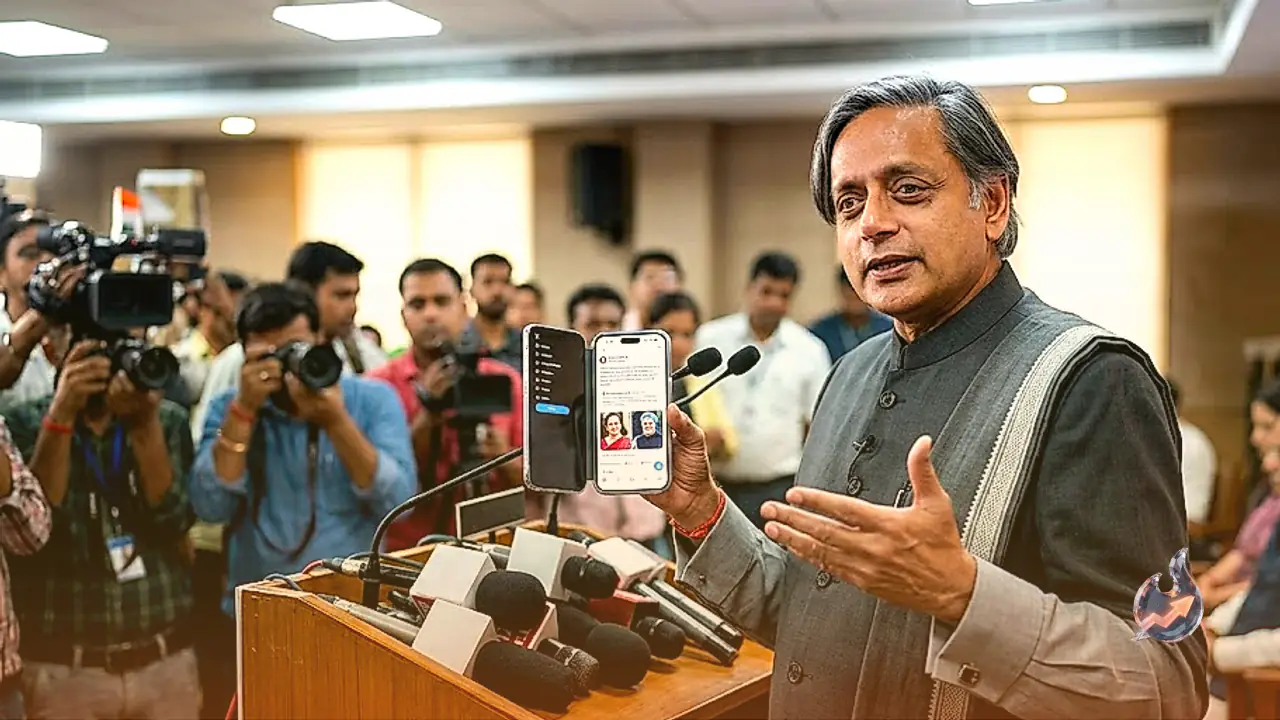
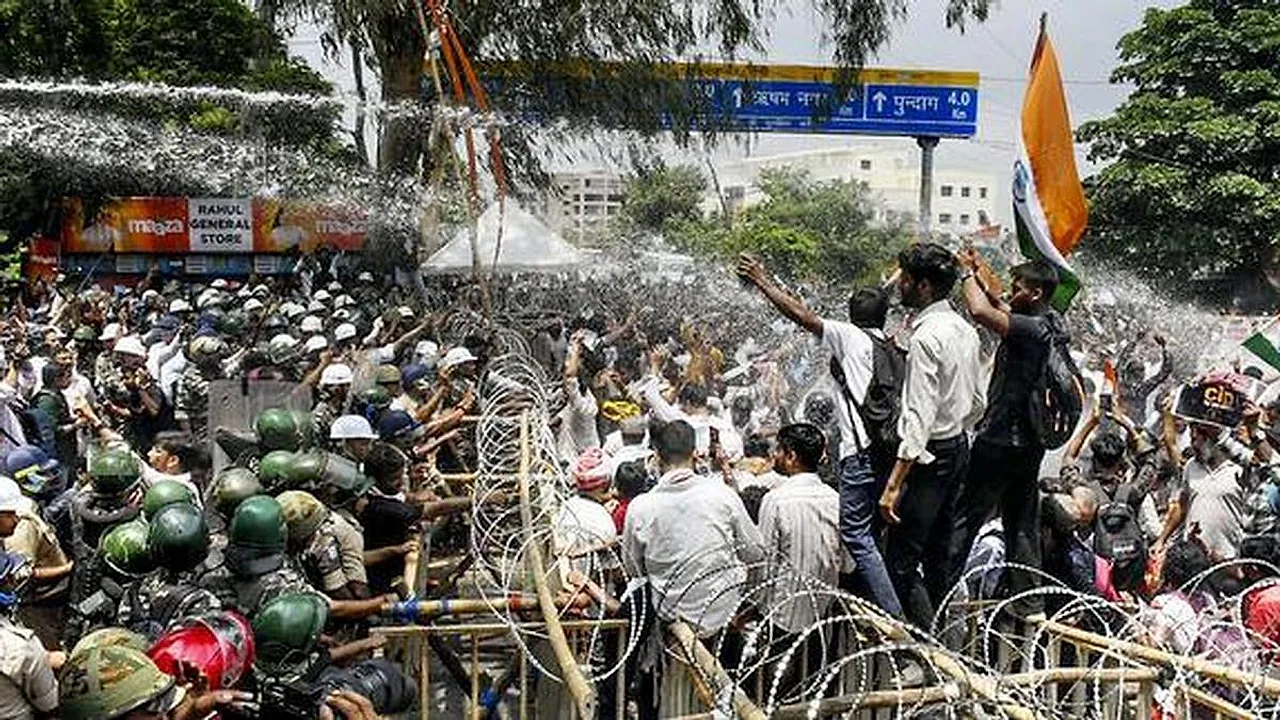


















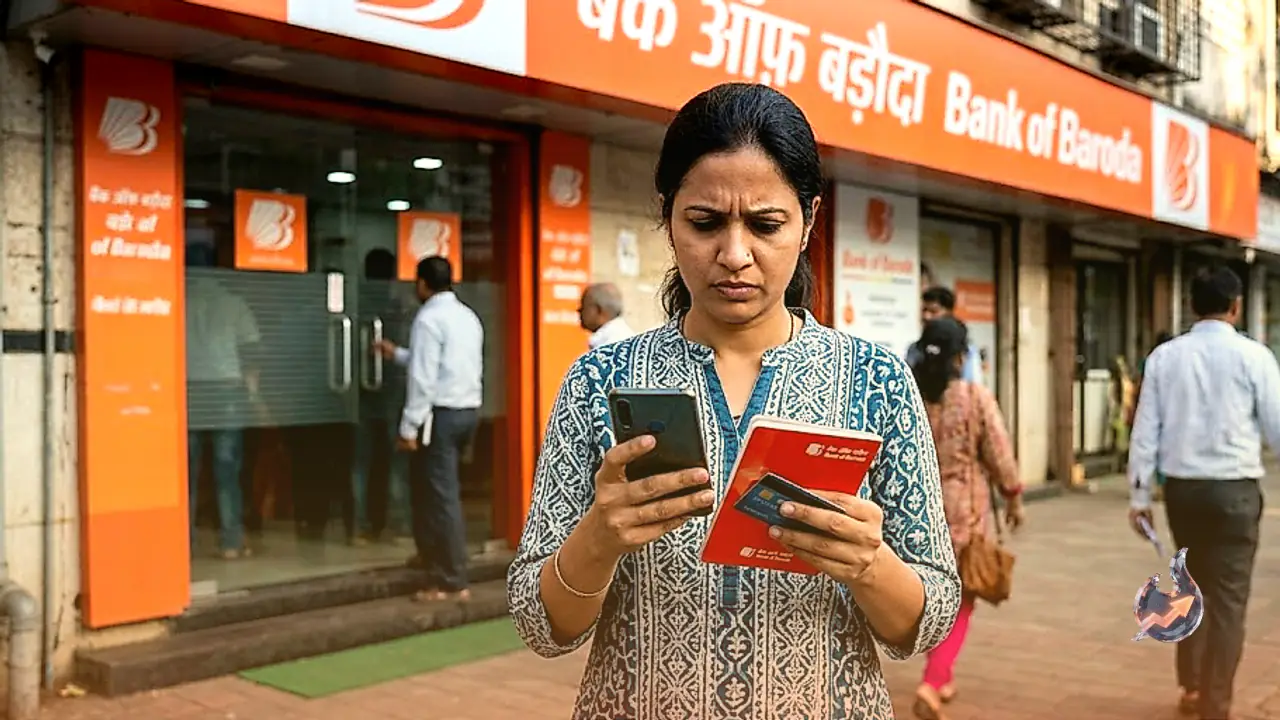

Panic recently rippled through the customer base after reports emerged regarding an alleged data leak at Bank of Baroda. Rumors began circulating rapidly across social media platforms claiming that confidential savings and current account details, loan files, net banking registrations, and corporate banking records had leaked onto the internet. As news spread, anxious account holders rushed to bank branches, growing deeply concerned about the safety of their hard-earned money. The breach was reportedly linked to a notorious hacker group known as TripleX, with claims suggesting that forms, photographs, and identity proofs belonging to one to three hundred thousand customers might have been exposed. Understanding this situation requires a clear distinction between a simple data leak and actual unauthorized withdrawals from a bank account.
What the Bank Clarified About Its Systems
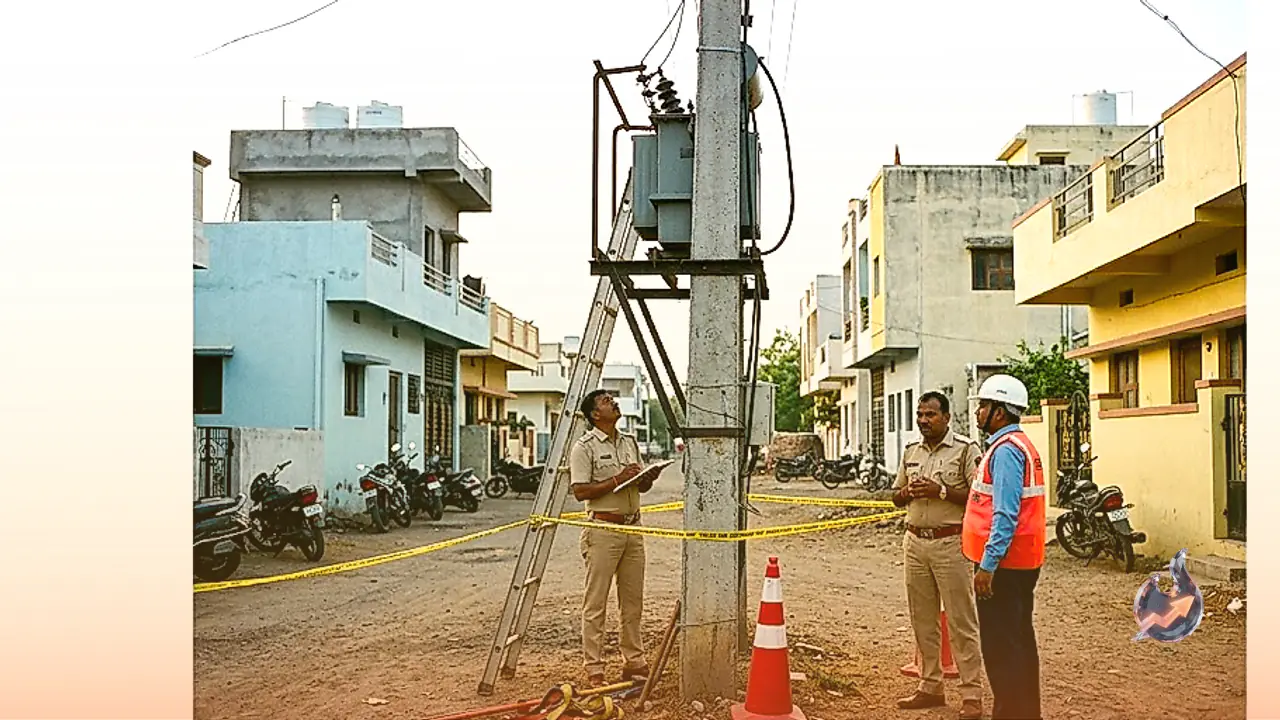
Addressing the growing apprehension, Bank of Baroda issued clarifications to reassure its customers that there is no need to panic. The bank explicitly stated that the security breach did not occur within its core banking infrastructure, which is the foundational system responsible for handling monetary transactions. This means the network through which your funds move remains fully protected. Instead, the technical glitch originated from the compromise of a single employee email account. Bank officials quickly contained the issue and are now conducting a thorough forensic investigation in coordination with government cyber authorities.
Data Leak Versus Account Hacking
Many account holders naturally wonder if an exposed database compromises their deposited money. Cyber security experts point out that unauthorized individuals need much more than just a name, PAN card, or Aadhaar number to withdraw funds from your bank. To steal money, bad actors require login passwords, transaction PINs, one-time passwords sent to your mobile phone, or your biometric fingerprint, none of which are typically obtained through such database leaks. Consequently, experts explain that a data leak primarily poses a risk to personal privacy rather than immediate financial loss from an account. Furthermore, statutory deposit insurance schemes such as DICGC ensure that individual depositors remain protected up to five lakh rupees even under severe financial circumstances.
The Real Threat Lies in Fraudulent Phone Calls
The most significant danger does not stem directly from the data exposed by hackers, but rather from how bad actors might exploit that information. A customer might receive a phone call from someone claiming to represent the security department of Bank of Baroda. Because the caller already knows your full name, home branch, and possibly the last four digits of your account number, the conversation sounds entirely authentic, causing anyone to panic. The scammer will then insist that you verify your identity by sharing an OTP received on your mobile phone. These calls are orchestrated so convincingly that even prudent individuals occasionally fall victim to them. Remember that no legitimate bank employee will ever ask for your OTP, CVV, UPI PIN, or net-banking password over a phone call, SMS, WhatsApp, or email. If anyone makes such a request, hanging up immediately is the safest course of action.
Recommended Steps to Secure Your Account
To safeguard your finances effectively in the wake of this incident, several proactive measures should be taken immediately. First, change the passwords for your net banking and mobile banking applications right away, and update them on any other platforms where you might use the same credentials. Second, ensure that transaction alerts via SMS or email are active on your account so you never miss a notification regarding account activity. Over the next few weeks, avoid clicking on any links received via unsolicited messages or emails claiming that your KYC needs an update or your account is suspended; always navigate directly to the official bank website or app. If you suspect your Aadhaar details were part of the exposed data, visit the UIDAI website or the mAadhaar application to lock your biometrics, a process that takes just a few minutes. Additionally, monitor your credit report and CIBIL score regularly rather than just checking bank statements, as fraudsters sometimes misuse leaked details to apply for unauthorized loans or credit cards. If you spot any suspicious activity, report it immediately to the bank and through the national cyber crime portal at cybercrime.gov.in or via the helpline number 1930.
Should You Close Your Bank of Baroda Account
While some customers might consider closing their accounts upon hearing news of a data leak, financial experts emphasize that taking such a drastic step is unnecessary. Given the bank's assurances that transaction systems remain entirely secure, reacting out of panic is unwarranted, and maintaining composure while following standard digital hygiene practices is the best approach.