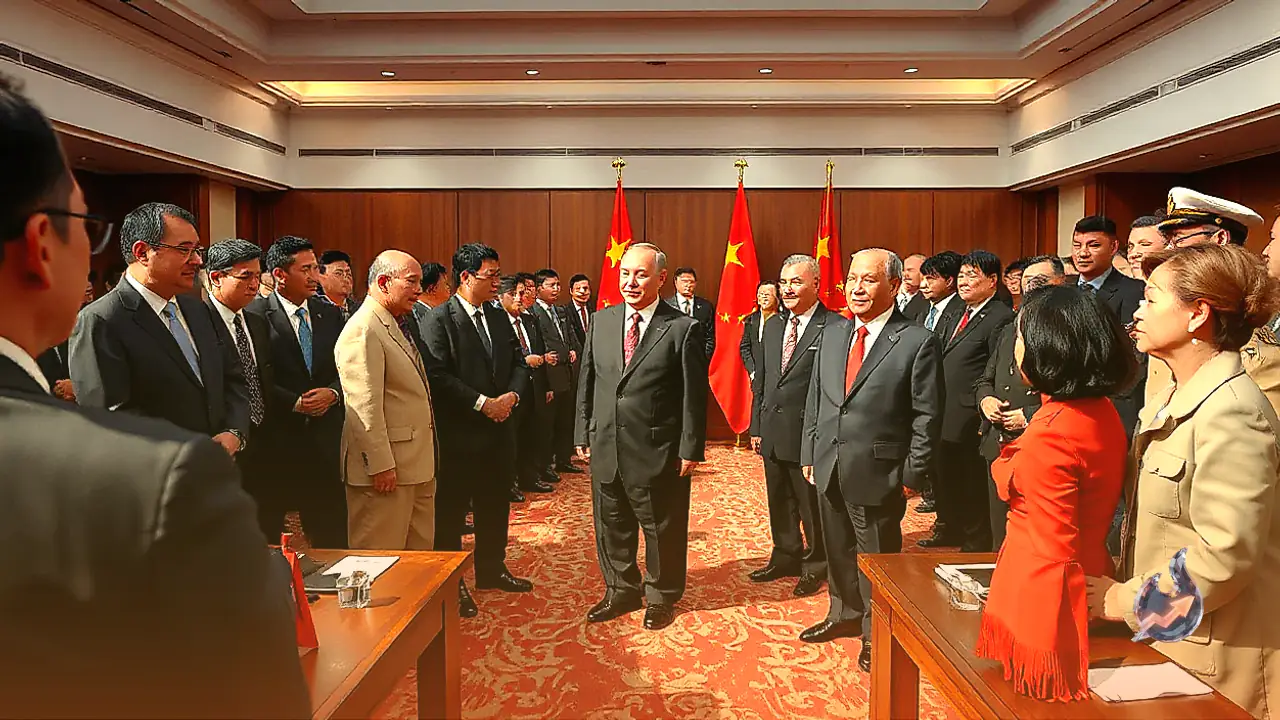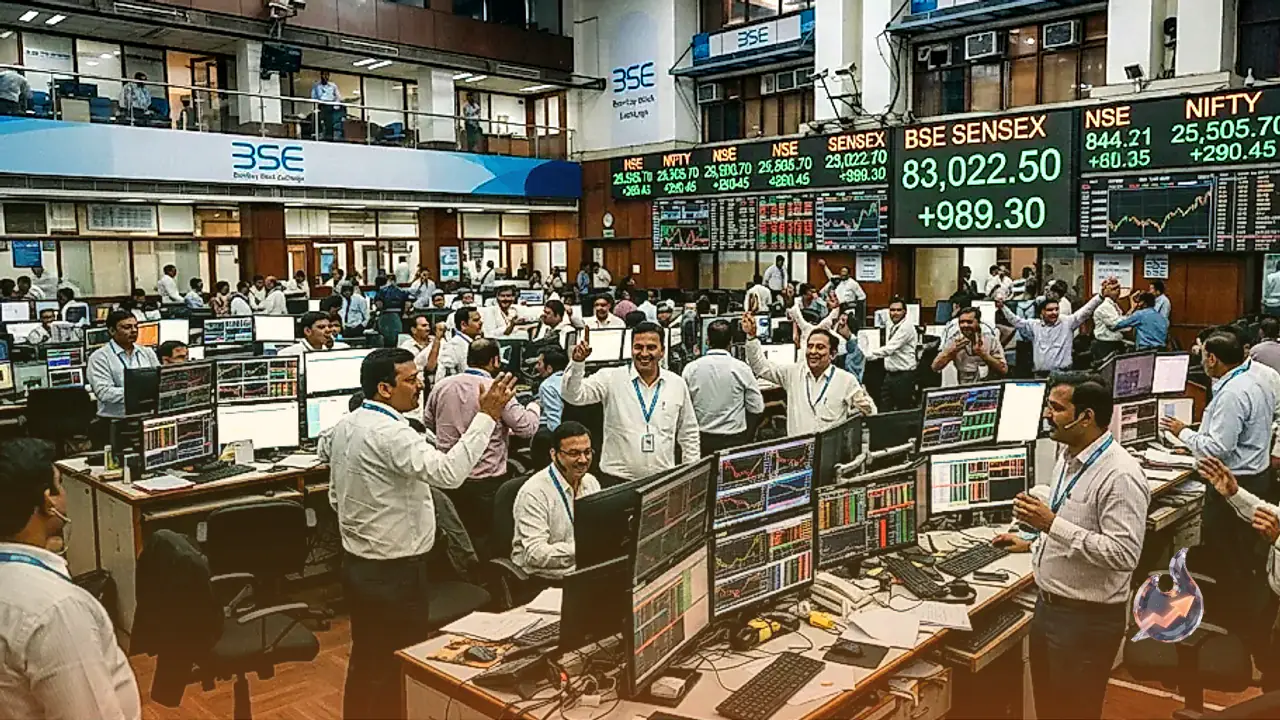

Addressing business leaders at the Annual General Meeting and conference of FICCI on Thursday, Prime Minister Narendra Modi delivered a clear message to corporate India: firms must move beyond focusing solely on profit margins and actively expand employment while hiking worker compensation. Emphasizing that national economic progress cannot rest on the shoulders of the government alone, he stressed that the private sector must act as an equal partner in driving sustainable development across the country.
Tax Cuts and Policy Relief Must Translate to Public Benefit
Highlighting the series of pro-business reforms implemented in recent years, Prime Minister Modi pointed out that corporate tax rates have been reduced, income tax relief has been provided to taxpayers, and regulatory compliance burdens have been significantly eased. Furthermore, the government has negotiated strategic Free Trade Agreements (FTAs) with multiple nations to open new avenues for international commerce. Prime Minister Modi noted that corporate leaders must now demonstrate how these policy concessions yield tangible benefits for the national economy and everyday citizens, specifically by creating more jobs and raising wage levels across industries.
Proactive Corporate Strategy for Overseas Trade Expansion
Turning to global trade opportunity, the Prime Minister urged business leaders to proactively capitalize on India's expanding FTA framework. He stated that individual businesses should formulate their own market entry strategies to scale up international trade operations, rather than expecting the government to identify every commercial opportunity abroad. Companies need to take ownership of expanding their export footprints in partner countries.
Eliminating Double Standards in Product Quality for Domestic Consumers
Addressing consumer goods standards, Prime Minister Modi criticized the traditional distinction between export-grade manufacturing and products sold within the domestic market. He asserted that Indian consumers deserve access to the exact same premium quality standards that companies offer to international buyers. Urging manufacturers not to take India's massive domestic consumer base for granted, he called for uniform quality standards across all production lines.
Cutting Raw Material Import Reliance in Pharma, Steel, and Aluminum
The Prime Minister underscored the urgent need to deepen domestic manufacturing capabilities, particularly in critical sectors. Pointing to pharmaceuticals, he remarked that despite India's reputation as the pharmacy of the world, the nation remains heavily dependent on imports for Active Pharmaceutical Ingredients (APIs) and basic raw materials. He urged pharmaceutical companies to identify such imported inputs and manufacture them domestically at competitive costs. Similarly, he called for targeted private investments in the steel and aluminum industries to curb import reliance on specialized metal products.
Unlocking Value Addition in Agriculture and Food Processing
Highlighting structural gaps in agricultural commerce, Prime Minister Modi noted that despite India's immense agricultural production capacity, its share in global agricultural exports remains low at approximately 2 to 2.5 percent. He called upon corporate enterprises to invest heavily in food processing and value-addition infrastructure. By tailoring processed agricultural goods to match specific international demand, India can significantly elevate its total agricultural export volume while strengthening the rural economy.