






















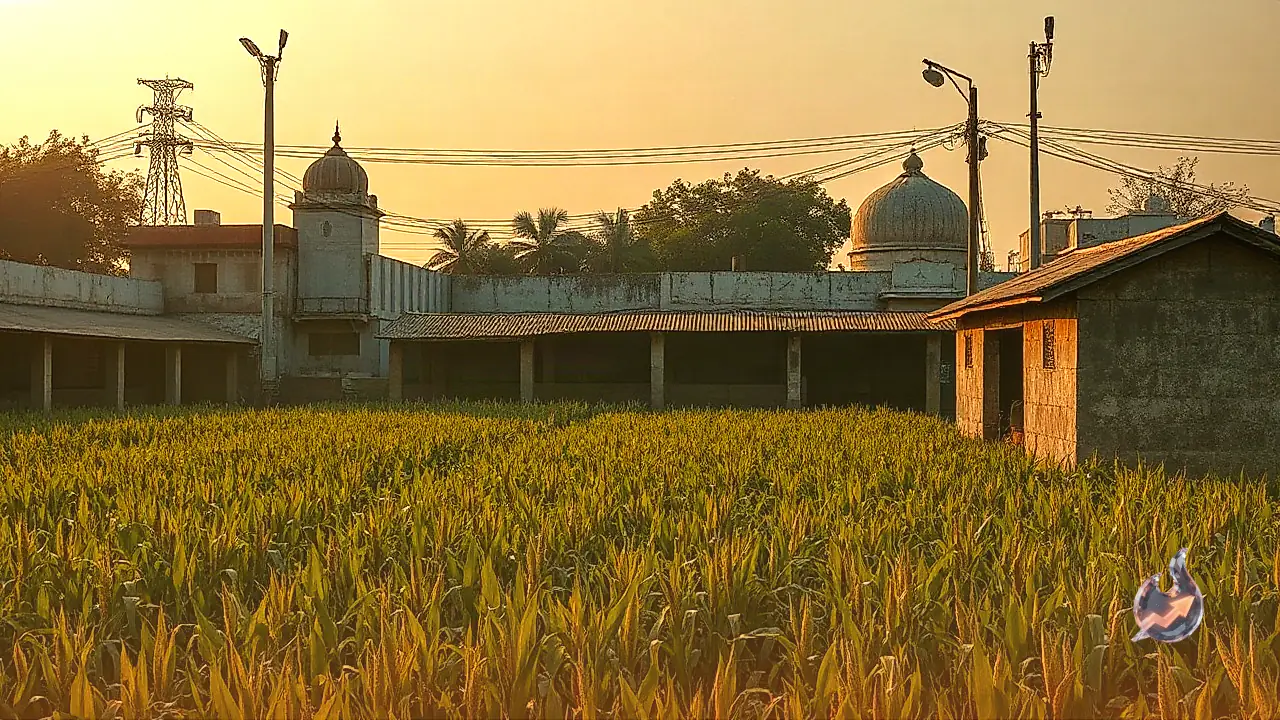

The harvest season for kharif crops is fast approaching in Bhilwara, bringing a critical period for local cultivators. During this time, farmers need to exercise utmost caution before putting sickle to stalk. Timely harvesting not only helps in preserving the overall quality of the yield but also minimizes potential losses during the transition from field to storage. Growers must personally inspect their fields to gauge the exact maturity stage of the crop before initiating any harvesting operations.
Evaluating Proper Crop Maturity
Before launching into the harvest, a thorough inspection of the fields is essential. Harvesting a crop only when it has fully matured yields the best results. If farmers harvest too early, the grains fail to develop to their full potential and size. Conversely, delaying the process for too long raises the severe risk of grain shattering or crop deterioration in the field. Therefore, aligning the harvest schedule precisely with the physiological stage of the crop is vital for securing a bountiful yield.
Checking Weather Forecasts and Equipment
Agricultural planning heavily relies on climatic conditions, making it crucial to review weather forecasts prior to harvesting. If there is an imminent chance of rainfall, it is wise to postpone the harvesting activities temporarily. Excess moisture or standing water in the fields during harvest can severely damage the produce. Furthermore, all tools and machinery designated for the job, including sickles, combine harvesters, and other equipment, should be inspected and serviced in advance to ensure smooth and uninterrupted operations.
Field Sanitation and Pre-Harvest Checks
Prior to starting the harvest, fields should be cleared of weeds, plastics, and any other foreign debris. Leaving such unwanted materials scattered around creates operational hurdles and risks contaminating the harvested produce, thereby lowering its market grade. Farmers utilizing mechanical harvesters should carry out routine maintenance and check critical parts beforehand to prevent unexpected machine breakdowns that could jeopardize the harvest.
Proper Drying and Safe Storage Measures
The work does not end with reaping the crop; arranging adequate drying and secure storage beforehand is equally critical. If harvested grains retain high levels of moisture, they become highly susceptible to fungal growth and rotting during storage. Consequently, the produce must be spread out and dried thoroughly in a clean area before being packed away. These small yet vital precautions taken by farmers will protect grain quality and significantly improve their chances of fetching better market prices for their hard work.