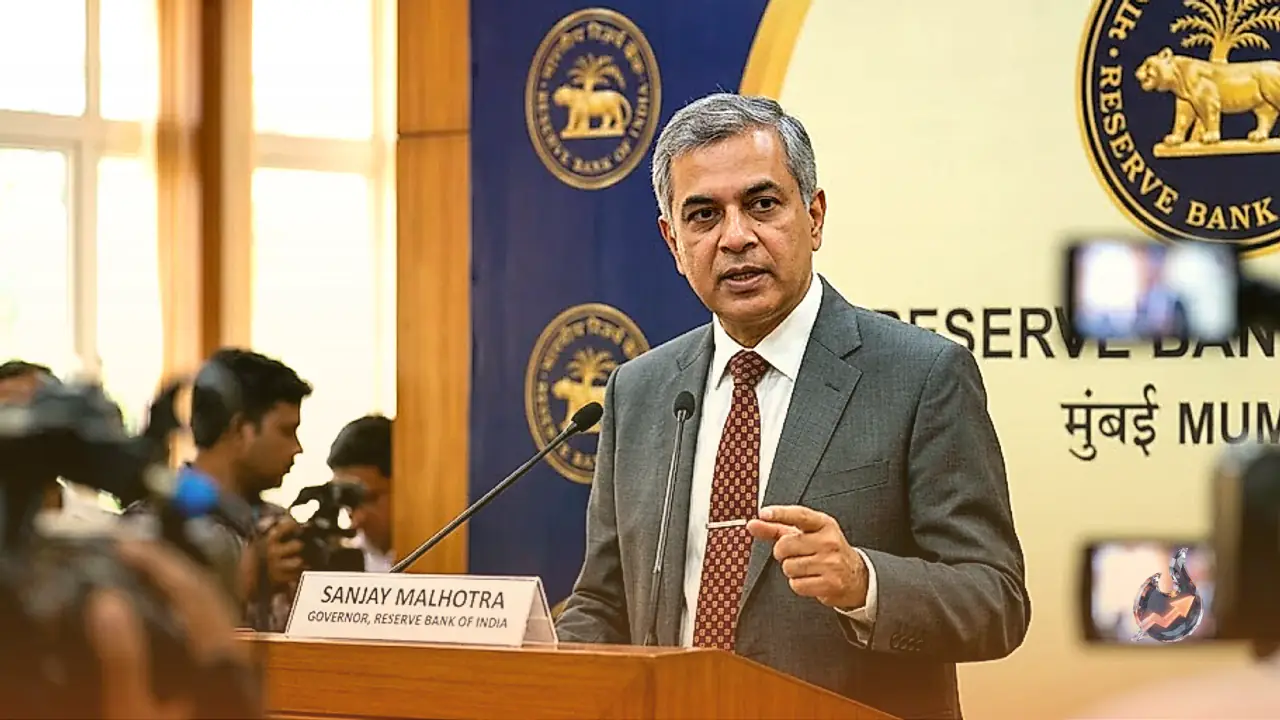























Borrowers across the country may soon face higher loan repayments as escalating geopolitical friction in the Middle East and spiking energy prices push inflation expectations higher. A comprehensive survey of 16 economists and senior banking officials reveals growing consensus that the Reserve Bank of India could raise the benchmark repo rate by 0.25 percentage points in its October monetary policy meeting. If the Monetary Policy Committee decides to implement this upward adjustment, it would represent a pivotal pivot in the trajectory of the nation's benchmark interest rate regime.
Historical Timeline of Benchmark Policy Decisions
A review of previous central bank decisions indicates that the repo rate last saw a cut in December 2025, since which it has remained unchanged at 5.25 percent. Conversely, the last rate hike was recorded in February 2023, when the monetary authority raised the repo rate by 0.25 percentage points to 6.50 percent. That decision was followed by an extended pause throughout fiscal 2023-24, during which rates were kept frozen before an easing cycle was eventually initiated in 2025. Currently, the benchmark repo rate stands steady at 5.25 percent.
Middle East Tensions and Escalating Commodity Pressures
Kanika Pasricha, chief economic advisor at Union Bank of India, pointed out that the room to raise rates exists because global central bank rate adjustments, upside inflation risks, and solid domestic growth momentum provide the necessary policy latitude.
Sharing a similar viewpoint, CRISIL principal economist Deepti Deshpande noted that economic conditions have deteriorated since the preceding policy announcement. She observed that the rekindling of conflict across West Asia, along with surging energy and commodity valuations, has intensified price pressures across multiple fronts. Should these adverse cost pressures persist without cooling, further rate increases should be anticipated going forward.
Absence of Demand-Driven Inflation Creates Differing Views
Market observers are not completely unanimous regarding an immediate tightening move. Sachchidanand Shukla, group chief economist at Larsen & Toubro, presented a divergent perspective, projecting that the central bank might opt to preserve the status quo at 5.25 percent. He argued that policy makers could choose to pause before embarking on rate hikes, given that verifiable proof of demand-driven inflation across the wider economy remains notably absent at this stage.
Projections for Multiple Rate Increases in FY 2026-27
Despite divergent short-term predictions, broader consensus suggests that fiscal year 2026-27 may witness at least two distinct rate hikes. A considerable section of market watchers anticipates two to three rate adjustments over the entire fiscal cycle. Analysts highlighted that persistent firming in core inflation metrics could necessitate a steady normalization of the monetary policy stance to rein in second-round price effects.
Impact of Triple-Digit Crude on Fuel Retailing
With crude trading at elevated levels, food inflation remaining precarious, and imported cost burdens accumulating, expectations are firming that the monetary authority will revise its Consumer Price Index inflation forecast upward for fiscal 2026-27.
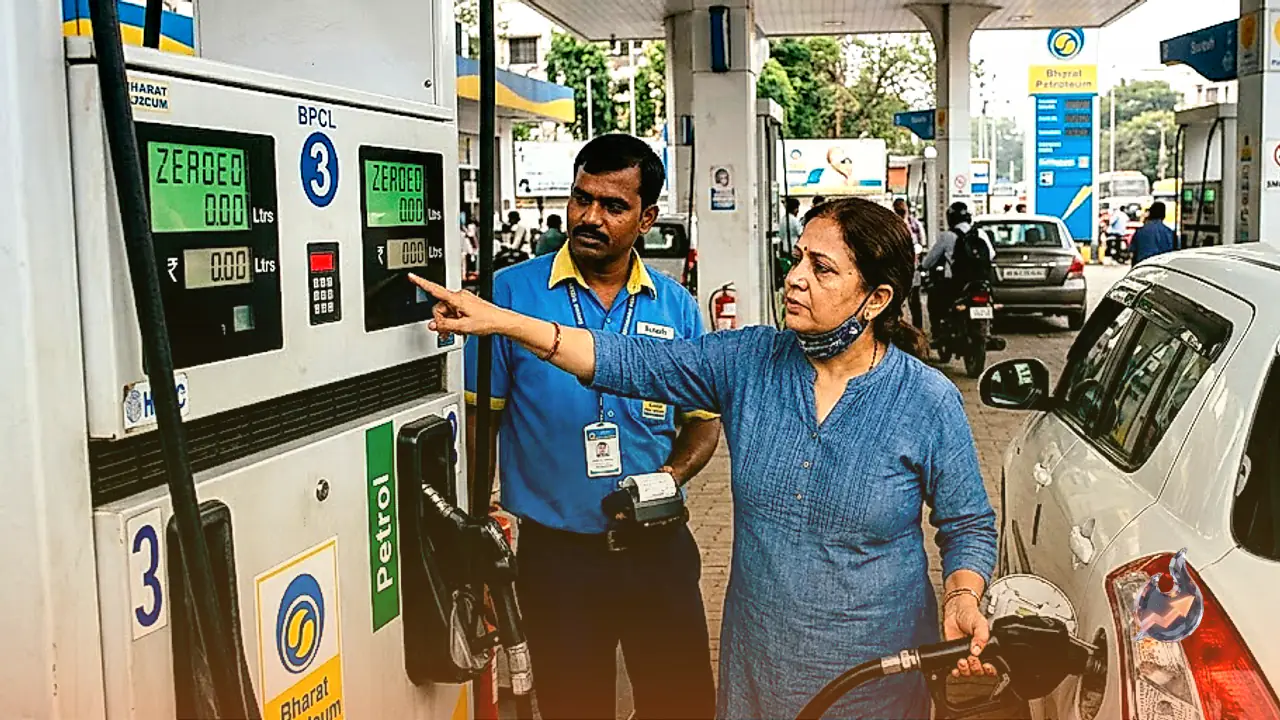
Aditi Nayar, chief economist at ICRA, stated that crude prices breaching 100 dollars per barrel could lift retail selling prices for petrol and diesel, subsequently magnifying inflation pressures and necessitating an upward revision in CPI inflation forecasts. Higher retail fuel prices inevitably feed directly into transportation and logistics expenditures, creating ripple effects across agricultural and consumer goods distribution networks.