


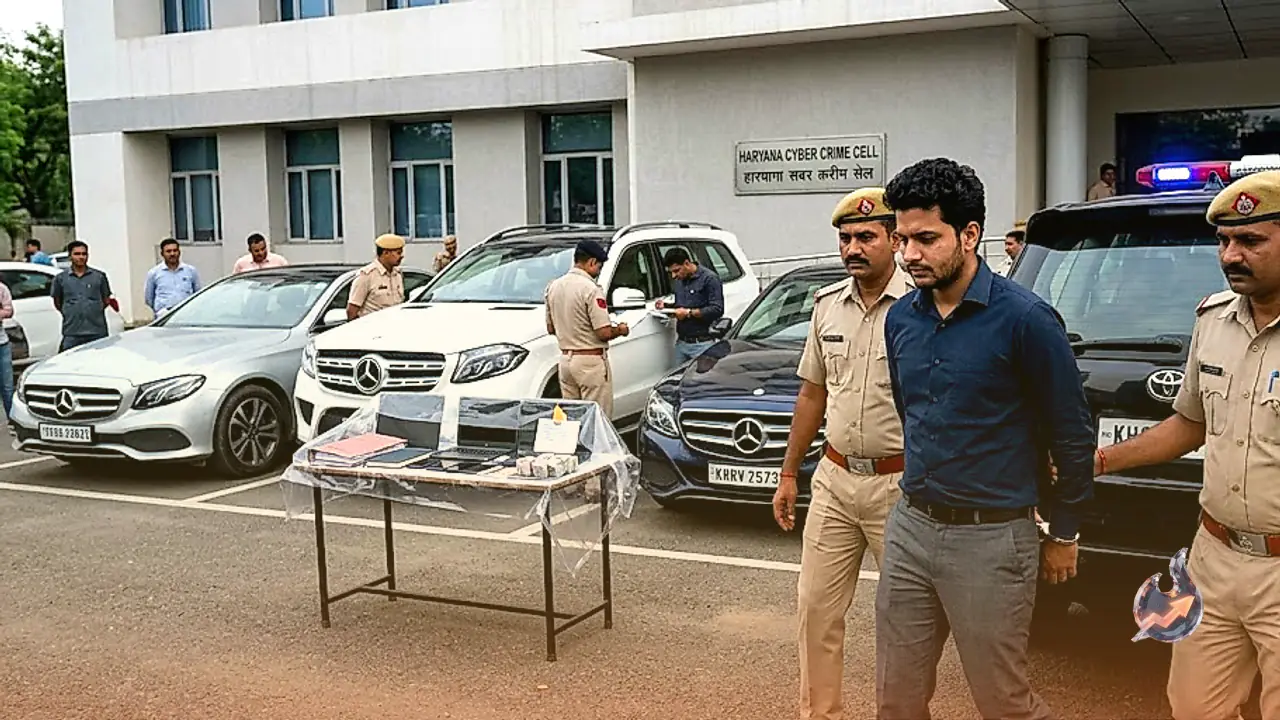















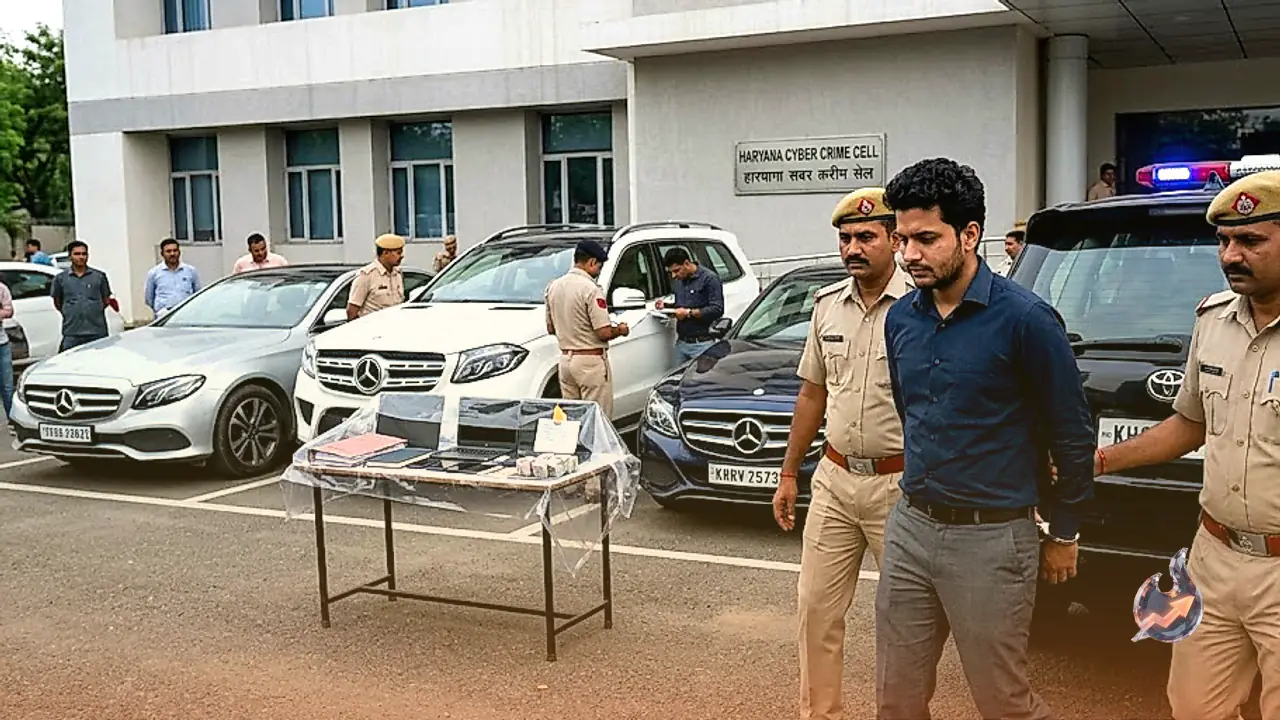

A massive multi-district cyber financial fraud syndicate promising exponential investment returns, crypto windfalls, and overseas properties has been dismantled in Haryana, unveiling an astonishing tale of illicit wealth. Law enforcement authorities investigating the sprawling racket have placed the initial estimated losses suffered by duped citizens at Rs 8 crore or higher. The case has sent shockwaves through the region, largely due to the meteoric rise of the prime suspect, who transitioned from running a humble roadside food cart to acquiring high-end vehicles and expansive estates in just a few years.
The meteoric rise from street vendor to luxury car fleet owner
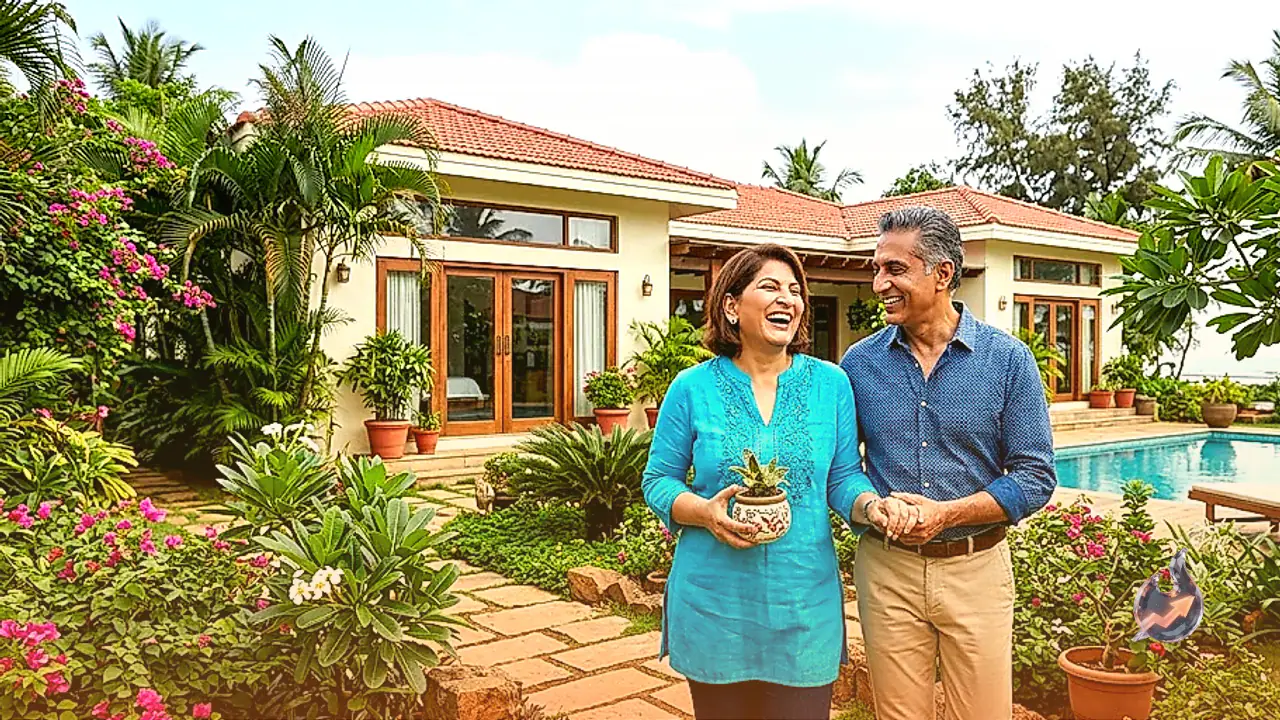
At the center of the ongoing police investigation is Rajesh Kumar, commonly known in his circle as Nana, hailing from Karnal. Until recently, Rajesh operated a roadside stall vending traditional kadi-chole and rice before reinventing himself as an affluent investor and senior executive within the syndicate. During searches and enforcement actions, cyber crime investigators seized a Mercedes car registered to him. The operation also resulted in the impounding of other luxury vehicles utilized by key network associates, including an Audi Q5, an Audi Q3, and a BMW. Police officials are currently preparing documentation to seek judicial permission to auction these seized vehicles as proceeds of crime, while simultaneously evaluating his opulent farmhouse and related immovable properties to determine the full extent of wealth generated through unlawful activities.
Syndicate footprint spans multiple Haryana districts
Police records indicate that the accused individuals systematically targeted victims across diverse districts of Haryana. Formal complaints have emerged in significant numbers from Yamunanagar, Kaithal, Karnal, Ambala, and Kurukshetra. Investigators observed that the syndicate did not restrict its operations to naive or uneducated individuals; instead, a large portion of the victims comprised highly educated professionals, civil contractors, and business owners who were seduced by aggressive presentations of high yields and technological novelty.
From a small test deposit of Rs 8,500 to a devastating loss of Rs 60 lakh
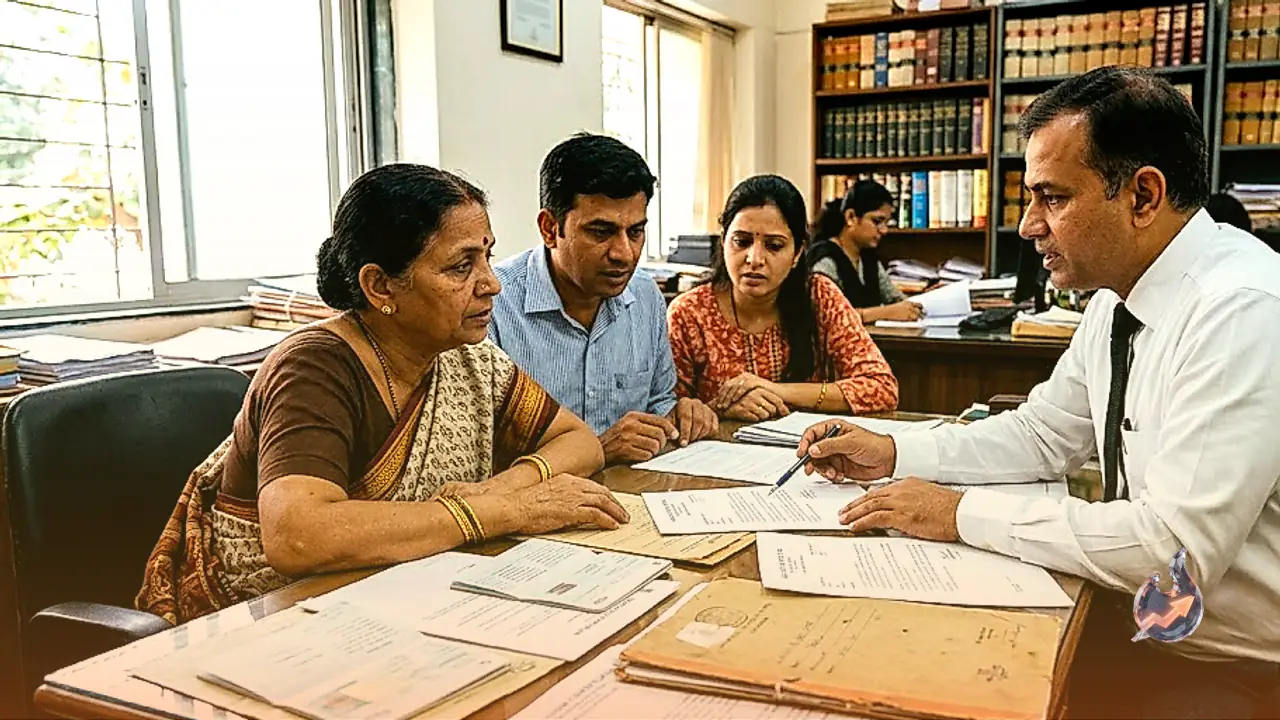
The entire operation unraveled following an official complaint lodged with the cyber crime police by Ashok Kumar, a government contractor based in Panchkula. Recounting his ordeal, Ashok explained that he was initially skeptical about the viability of the schemes pitched to him. However, the organizers hosted lavish promotional seminars at reputable hotels, projected appearances from corporate executives, and staged displays of existing investors realizing extraordinary gains. Swayed by these marketing tactics, Ashok made a tentative initial deposit of approximately Rs 8,500.
When the promised returns on his trial deposit were disbursed back to him without friction, his skepticism dissolved into complete trust. Emboldened by this early success, Ashok secured credit facilities in 2021 to pour roughly Rs 3.5 lakh into the platform. As virtual gains mounted, he brought his brothers, extended family members, and business associates into the fold. Over time, Ashok personally funneled around Rs 60 lakh into the scheme. When the platform ultimately suspended payouts, none of the 20 to 25 acquaintances he introduced were able to retrieve their capital either. Ashok estimates that the cumulative financial damage sustained by his immediate circle easily exceeds Rs 7 to 8 crore.
Manipulated application balances and restricted withdrawals
Officials from the Panchkula cyber crime police unit uncovered that the racket relied on calculated technological manipulation to keep victims docile. Investors were provided mobile applications where their dashboard balances appeared to multiply at astonishing speeds. By observing these glowing figures on their smartphone screens, participants remained convinced that their capital was generating genuine, outsized commercial gains.
However, investigators confirmed that these interface values were entirely simulated and disconnected from any real liquidity. Investors discovered the deception only when submitting redemption requests, which were routinely blocked or deflected under various operational pretexts. In one documented instance, an individual who invested approximately Rs 30 lakh was shown an inflated portfolio balance of nearly Rs 68 lakh in just six months. Yet, whenever he attempted to cash out, organizers claimed that the funds had been systematically reinvested into emerging cryptocurrency projects or alternate yield programs, persuading him to transfer balances across successive digital avenues instead of taking cash.
Lure of Dubai real estate and fraudulent crypto ventures
The probe has shed light on several branded digital ecosystems and schemes deployed by the perpetrators to entrap participants. These included entities operating under labels such as Bloom Drive, LPNT cryptocurrency, SOIL VERSE, and Mechai FX. Beyond digital balance figures, the syndicate dangled international real estate incentives, falsely assuring select victims that residential apartments and land parcels had been booked on their behalf in Dubai. Whenever one platform faced saturation or scrutiny, organizers manufactured urgent incentives to migrate participant balances into fresh ventures, thereby trapping funds permanently within their web.
Corporate climbing from participant to senior project head
Police documentation traces Rajesh Kumar's rapid ascent through the hierarchy of the fraudulent enterprise. Introduced to an online portal named Bloom by an acquaintance, Rajesh initially allocated modest funds before committing about Rs 2 lakh across secondary schemes. Recognizing the mechanics of the venture, he began recruiting fresh participants from his own network and regularly attended promotional gatherings across major venues in Chandigarh, Mohali, and neighboring urban centers.
Because the network rewarded recruitment heavily, Rajesh began capturing sizable cuts of the inflows generated by downstream contributors. His role expanded until he was designated as a senior project head within the promotional hierarchy. According to police statements, Rajesh reportedly boasted to peers about receiving a Mercedes C-Class car as an incentive reward and claimed to have accrued around Rs 2 crore in rapid order. Authorities are now auditing his real estate acquisitions and luxury assets to map their direct connections to the defrauded capital.
Arrest of four key perpetrators and ongoing forensic examination
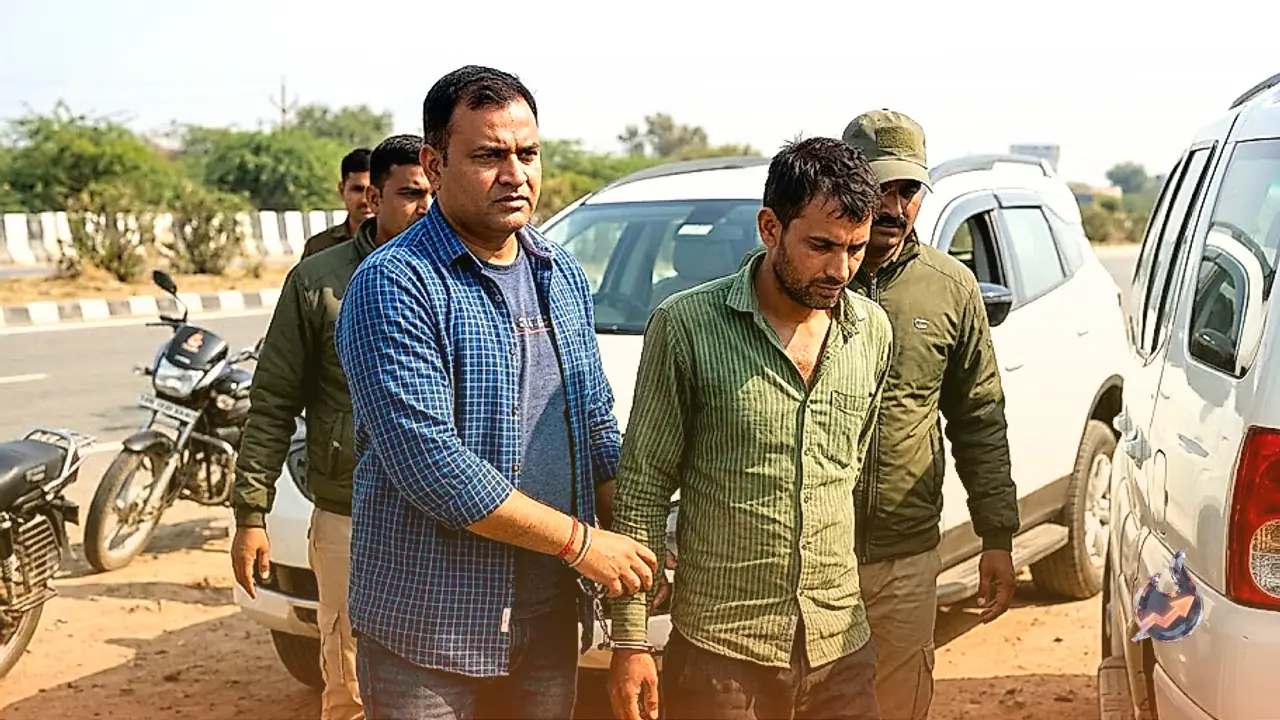
Law enforcement agencies have secured the arrest of four central figures connected to the syndicate. The apprehended suspects include Rajesh and Udam Singh, both residents of Karnal; Sushil Kumar from Yamunanagar; and Sanjeev Kumar, a native of Ladwa in Kurukshetra district. A significant repository of digital equipment, including smart devices and storage hardware, was confiscated during the arrests and transmitted to forensic laboratories. Police anticipate that the forensic retrieval of digital footprints and transaction ledgers will yield further clarity on the full distribution of funds and uncover additional accomplices.