





















Vehicle owners frequently encounter dishonest practices when refueling at fuel dispensing stations across the country. Complaints regarding motorists receiving less fuel than what they paid for remain a persistent issue. In many instances, attendants tamper with machine settings, fail to clear previous meter tallies, or pour costly premium variants into the tank without asking the customer. Such misconduct forces motorists to pay full price while receiving significantly less volume in their fuel tanks.
Even though awareness has grown among drivers, deceptive tactics continue to evolve at several dispensing units. Remaining alert and observing standard precautions during every visit can effectively protect your finances. By adopting a handful of practical habits, vehicle owners can easily ensure accurate measurement and safeguard their hard-earned money against unfair practices.
Always Verify That the Meter Starts at Zero
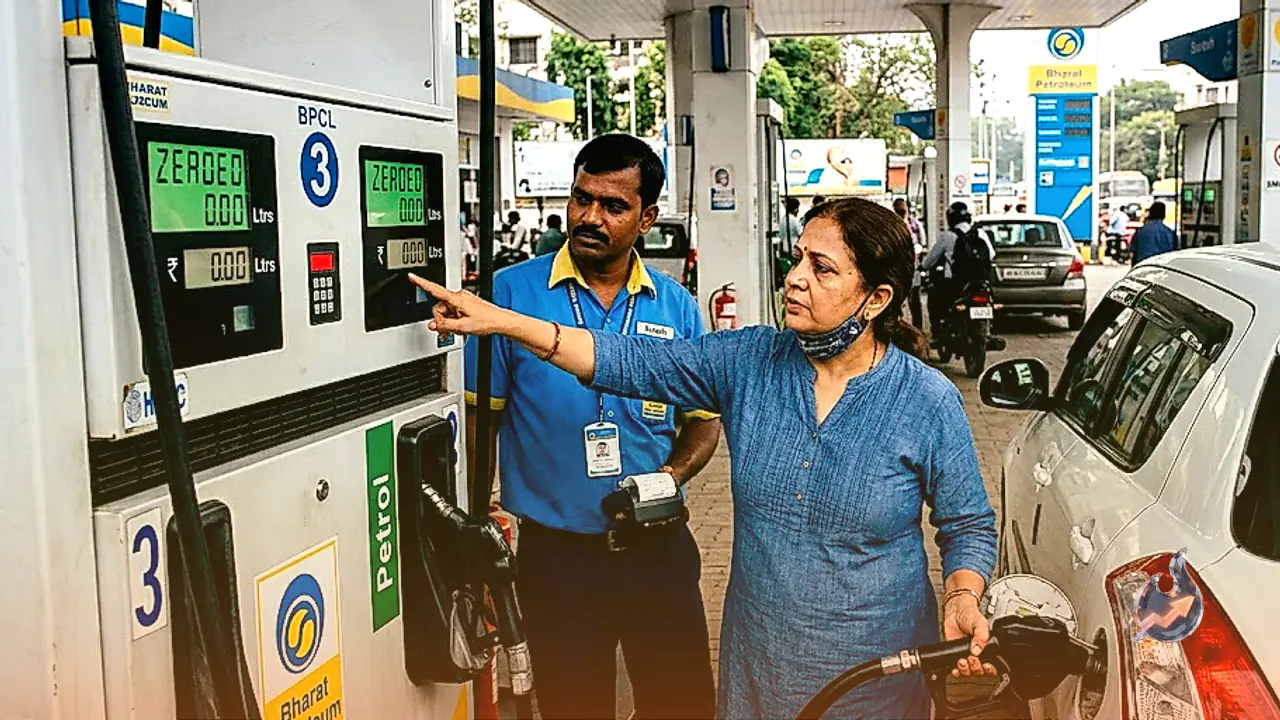
Checking the meter display before any fuel enters your vehicle is the most critical starting step. Station attendants occasionally exploit distractions by skipping the reset step, beginning the dispensing process from the previous customer's closing reading. This results in you receiving only a fraction of the fuel while being billed for the combined total on the screen. Before allowing the attendant to insert the nozzle into the fuel inlet, clearly instruct them to reset the display to zero. Maintain a direct eye on the screen throughout the transaction, and halt the process immediately if the worker makes excuses or rushes to begin without resetting. This basic habit prevents substantial financial losses.
Avoid Round Figures and Request Odd Amounts
The vast majority of drivers ask for fuel in round sums such as 500 or 1,000 rupees. Some fraudulent dispensing units exploit this common tendency by pre-configuring the dispensing system to deliver reduced volumes specifically for these preset round values. To circumvent this loophole, ask for unconventional sums such as 575, 825, or 1,350 rupees. Tampering with meters for such uneven numbers is exceptionally difficult, compelling the dispensing hardware to deliver the exact volume corresponding to the billed amount. Applying this method drastically limits fraudulent interventions and guarantees that you receive the exact quantity paid for.
Confirm the Fuel Variant and Inspect the Nozzle
Attendants sometimes take the liberty of dispensing high-octane or power fuel without asking for your consent. Regular passenger vehicles rarely require these expensive premium fuels, yet their retail price is substantially higher than standard fuel. Always verify the label marked directly on the fuel dispensing nozzle before the flow begins. If any confusion arises, stop the attendant and seek immediate clarification. Dispensing the incorrect variant not only inflates your bill unnecessarily but can also negatively affect vehicle engine performance under certain circumstances.
Choose Established Stations with Strict Oversight
Refueling at unfamiliar, neglected, or poorly managed outlets significantly elevates the chance of encountering unfair practices. It is far safer to visit well-organized facilities staffed by trained personnel where transparent grievance redressal systems are in place. Major branded outlets maintain higher operational standards, stricter supervision, and faster resolution channels for consumer grievances. Additionally, consistently using a single dependable station builds familiarity, encouraging attendants to remain diligent and adhere to fair dispensing practices.
Demand Volume Verification Using Calibrated Measure
Whenever you suspect that the volume delivered does not match the billed quantity, you have the right to request an immediate volume check using a certified calibrated container. Under standard operating protocols, every fueling station is required to maintain a designated testing vessel into which a specified quantity of fuel is poured for physical verification. If the liquid level fails to reach the calibrated indicator line, it provides direct evidence of machine inaccuracy or tampering. In such scenarios, raise a formal complaint without delay. This facility is a standard customer right that motorists should never hesitate to exercise.