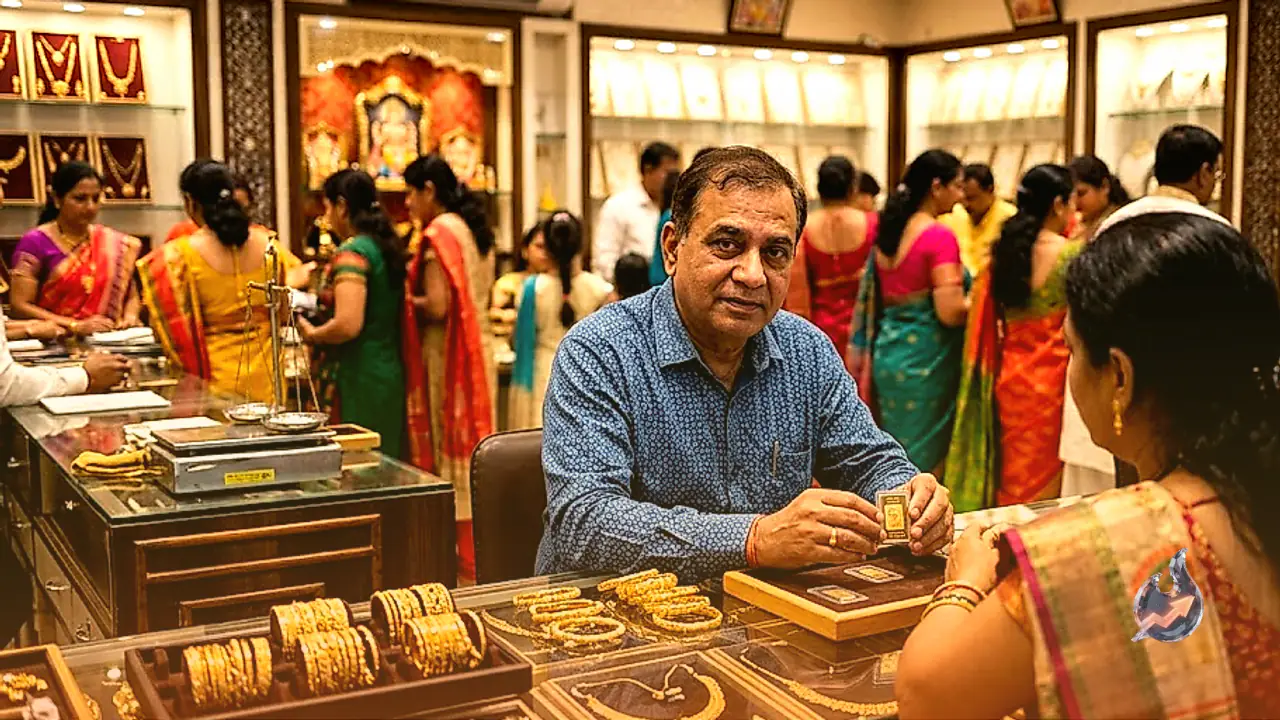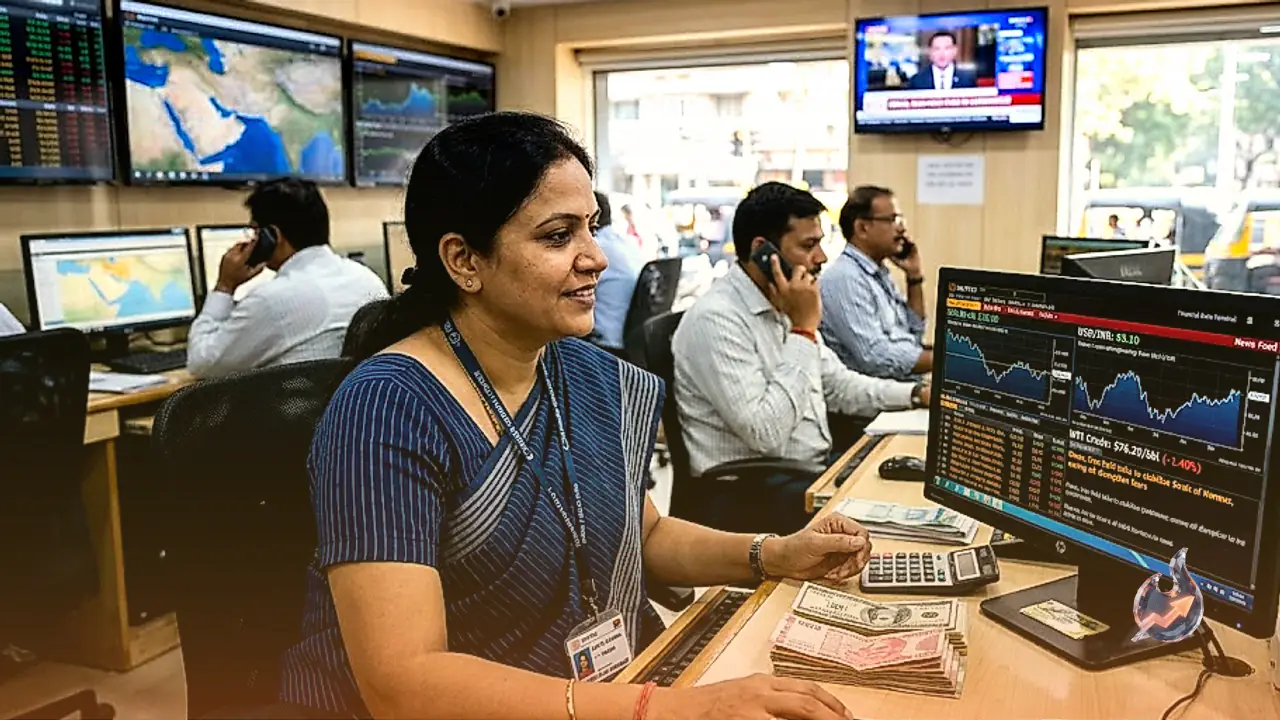



















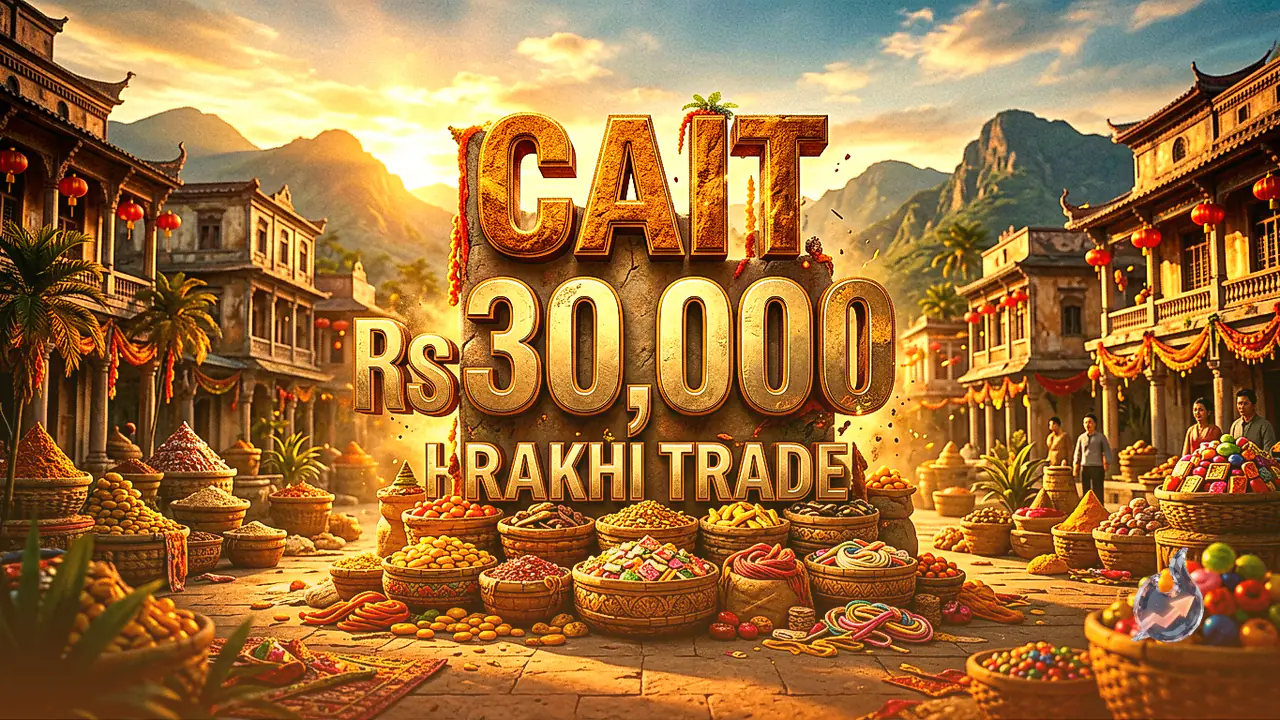

The arrival of the festive season in India is not merely a celebration of cultural and religious traditions, but also a major catalyst for the national economy. With Rakshabandhan setting off the festive calendar in two days, shopping activity across the country is picking up rapid momentum. Highlighting this economic surge, the Confederation of All India Traders (CAIT) estimates that Rakhi trade alone will hit Rs 30,000 crore this year. Consumers are eager to spend, utilizing personal savings as well as credit to celebrate. To capitalize on this high-spending environment, companies are revamping their promotional strategies, shifting significant portions of their advertising budgets toward newer marketing channels.
Rs 900 Crore Ad Budget Poured Into Influencer Marketing
To reach consumers directly during the festive shopping spree, brands are increasingly leaning on content creators rather than traditional advertising channels. Data from creator intelligence platform Qoruz reveals that brand expenditure on influencer marketing is projected to reach Rs 900 crore this festive season. This represents a 29 percent surge compared to the previous festive season, when brand spend on content marketing stood at approximately Rs 700 crore.
The total volume of brands partnering with digital creators has also expanded significantly over recent years. In 2023, around 4,500 brands engaged content creators for promotion, a figure that rose to 5,200 brands in 2024. By 2025, approximately 6,000 companies had adopted creator marketing, and that number has climbed further to 7,200 brands in the current year. These figures reflect a decisive shift in corporate ad allocation toward digital storytellers.
Surge in Demand for Micro Creators and Regional Focus
A prominent trend this festive season is the overwhelming preference for nano and micro creators over high-profile celebrities. According to the report, nano and micro creators accounted for 75 percent of the total brand demand in the previous season. In contrast, mega creators and mainstream celebrities captured a mere 5 percent share. Brands favor local influencers because they possess a deeper understanding of local culture and environment, enabling more authentic connections with regional audiences.
Furthermore, content creators from smaller towns are securing a growing footprint in the market. While creators based in metro cities still hold a dominant 62 percent market share, the share of creators from Tier-2 and Tier-3 cities has climbed to 38 percent. As companies expand their promotional budgets, they are placing greater emphasis on localized content over big brand names to effectively tap into diverse consumer segments.
Market Valuation Dynamics and Corporate Spending Concentration
Qoruz co-founder and CEO Pranesh Bhuvneshwar noted that while company participation in creator marketing has grown by 60 percent since 2023, the overall market value has surged from Rs 350 crore to Rs 900 crore. This trajectory represents a strong annual growth rate of 37 percent. The shift demonstrates how corporate festive budgets are being funneled directly into the creator economy.
Despite the market's rapid expansion, capital distribution remains highly concentrated. According to Pranesh Bhuvneshwar, 65 percent of the total festive content ad spend is captured by just 10 to 15 percent of top creators. On the brand side, approximately 66 percent of the total Rs 900 crore expenditure will be driven by a group of roughly 700 to 1,100 major companies.