


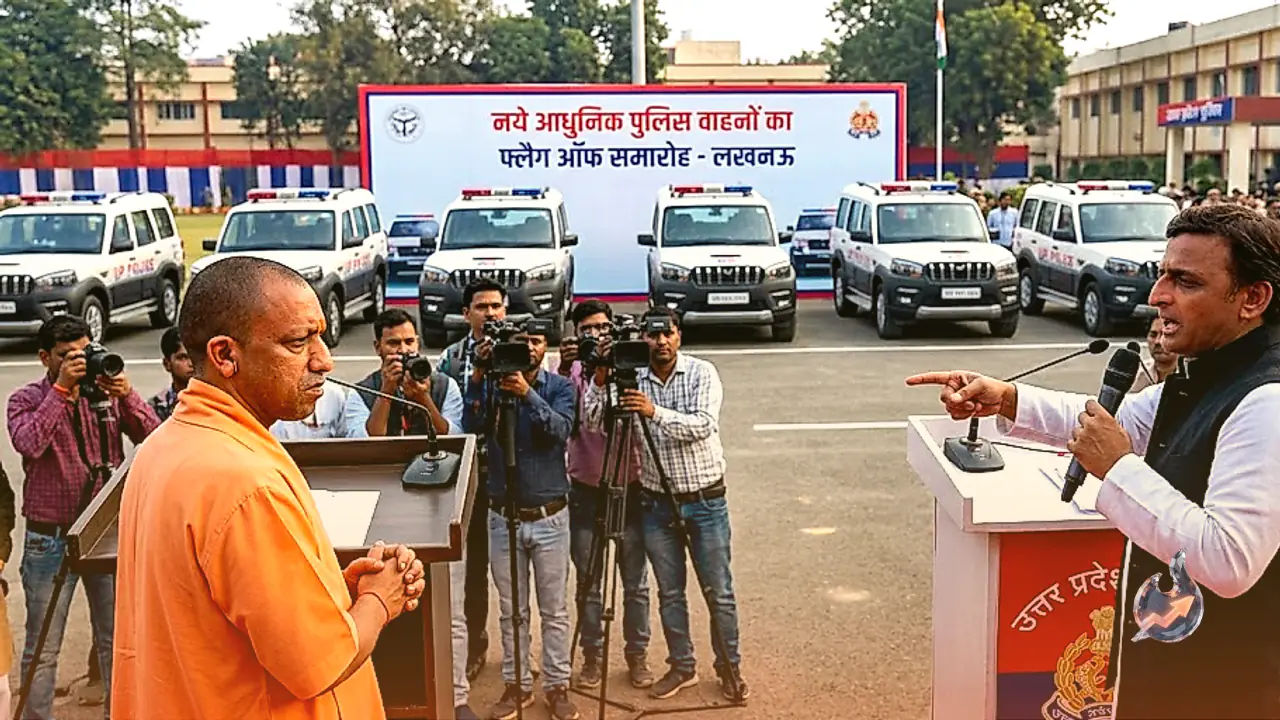














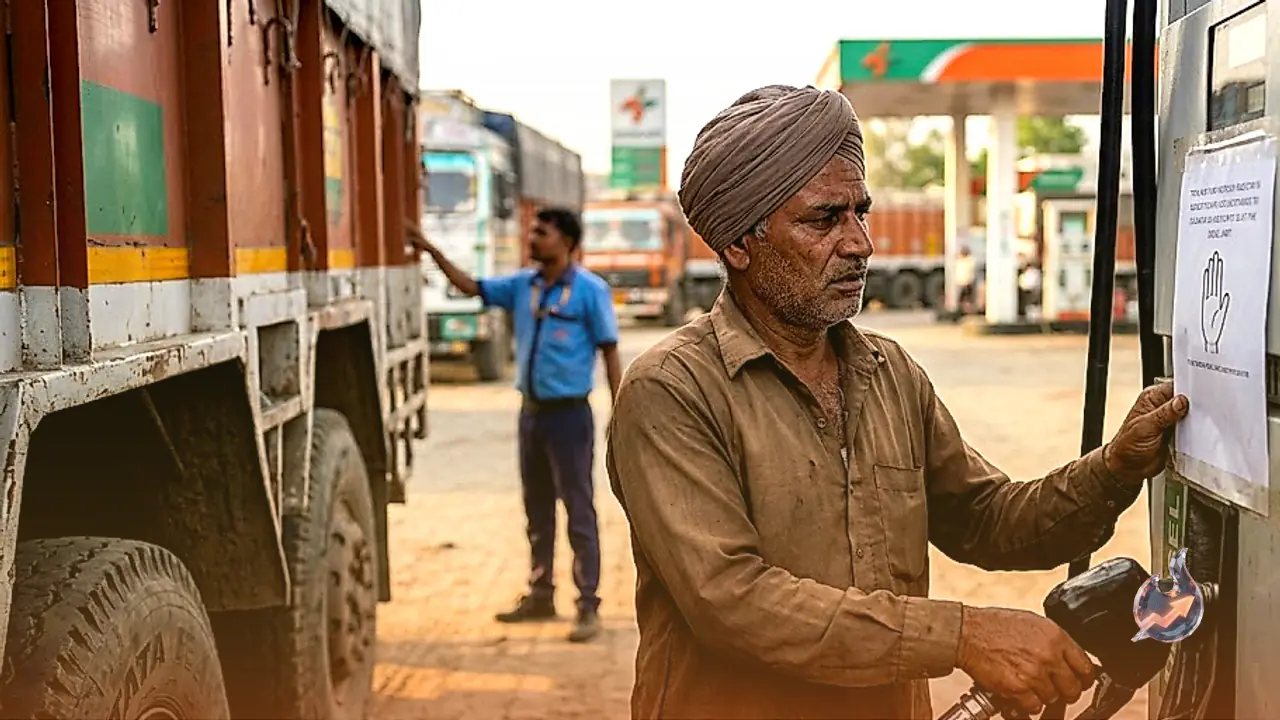

A sharp pricing divergence between bulk and retail diesel has triggered an unexpected rush at private fuel outlets, drawing a firm response from the central government over restrictions on fuel dispensing. Petroleum Secretary Neeraj Mittal stated on Thursday that no retailer has permission to restrict fuel supplies to customers. Addressing reports of daily limits being enforced at selected filling stations, Mittal underscored that curbing diesel dispensing is entirely unacceptable and the government maintains an uncompromising stance on the issue.
Massive ₹50 Price Gap Between Wholesale and Retail Fuel
The gap between wholesale commercial diesel and retail pump prices has widened to approximately ₹50 per litre. While pump rates for retail petrol and diesel have remained unchanged since May, global crude prices have witnessed an upward trajectory. Unlike pump prices, commercial bulk supplies are linked closely to international rates, resulting in steep price hikes for industrial buyers. This pricing mismatch has created a significant distortion in normal fuel purchasing patterns across commercial sectors.
Industrial units, telecommunications providers, hotels, private hospitals, and other large commercial operators have moved away from direct bulk depot procurement to purchasing comparatively cheaper fuel straight from retail forecourts. In several areas, commercial entities have been lifting 400 to 600 litres of diesel in single transactions from standard pumps. Because neighborhood filling stations have finite underground storage capacity and require several days to replenish inventory from distant terminals, this bulk diversion has placed acute pressure on retail logistics.
Daily Quotas Imposed Across Select Private Stations
Faced with sudden localized inventory exhaustion, private fuel retailing firms introduced purchase curbs at several locations. Outlets operating under Jio-bp restricted daily sales to a maximum of 50 litres per vehicle or customer at designated stations. Similarly, Nayra Energy introduced per-day purchase caps ranging between 70 litres and 200 litres across several of its dealer networks to manage local stock levels. These restrictions created supply bottlenecks for transport operators and small business users relying on private forecourts.
Ministry Intervenes to Prevent Market Disruption
Refusing to endorse any forms of rationing, Petroleum Secretary Neeraj Mittal reiterated that retailers cannot unilaterally curtail supplies. He noted that the government had previously issued formal communications and guidelines directing private fuel marketing companies to maintain open and unrestricted sales of petrol and diesel, emphasizing that this regulatory position remains unchanged.
Weighing in on the matter, Petroleum Minister Hardeep Singh Puri stated that the ministry remains in regular dialogue with private fuel operators, though he refrained from detailing the specific discussions underway. Officials remain focused on preventing artificial scarcity and ensuring that ordinary consumers and commercial freight operators face no hurdles in obtaining daily operational fuel across the country.
Retailers Maintain Stock Adequacy Across Forecourts
Responding to supply concerns, private retailers have maintained that operations remain stable across their nationwide footprint. Jio-bp stated that its entire network of fuel outlets continues to function normally with sufficient product inventory on hand. The company highlighted that appropriate operational measures are being taken to balance surging demand and safeguard equitable fuel availability for transportation and general motorists.
Nayra Energy likewise asserted that its operational priority remains the uninterrupted supply of fuel across its extensive network of more than 7,000 dealer stations alongside its other commercial distribution channels. Neither company, however, explicitly addressed the immediate mechanics of the local volume quotas enforced by individual retail pump operators on the ground.