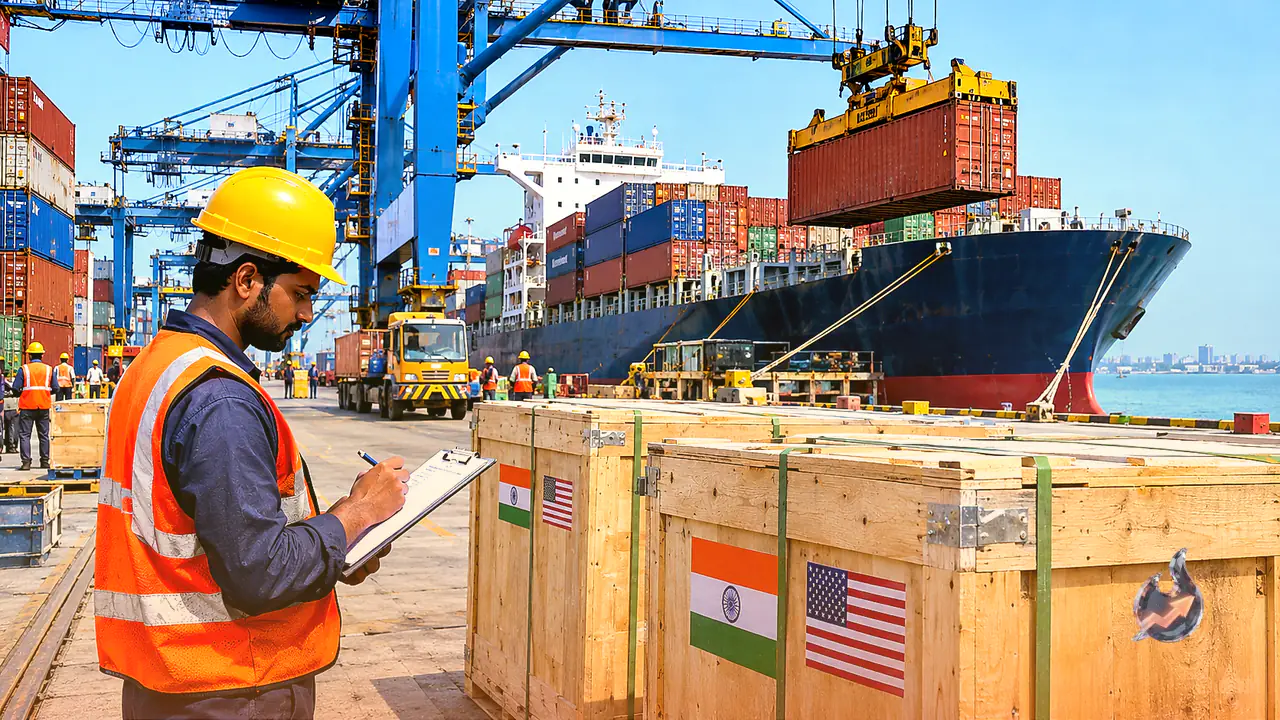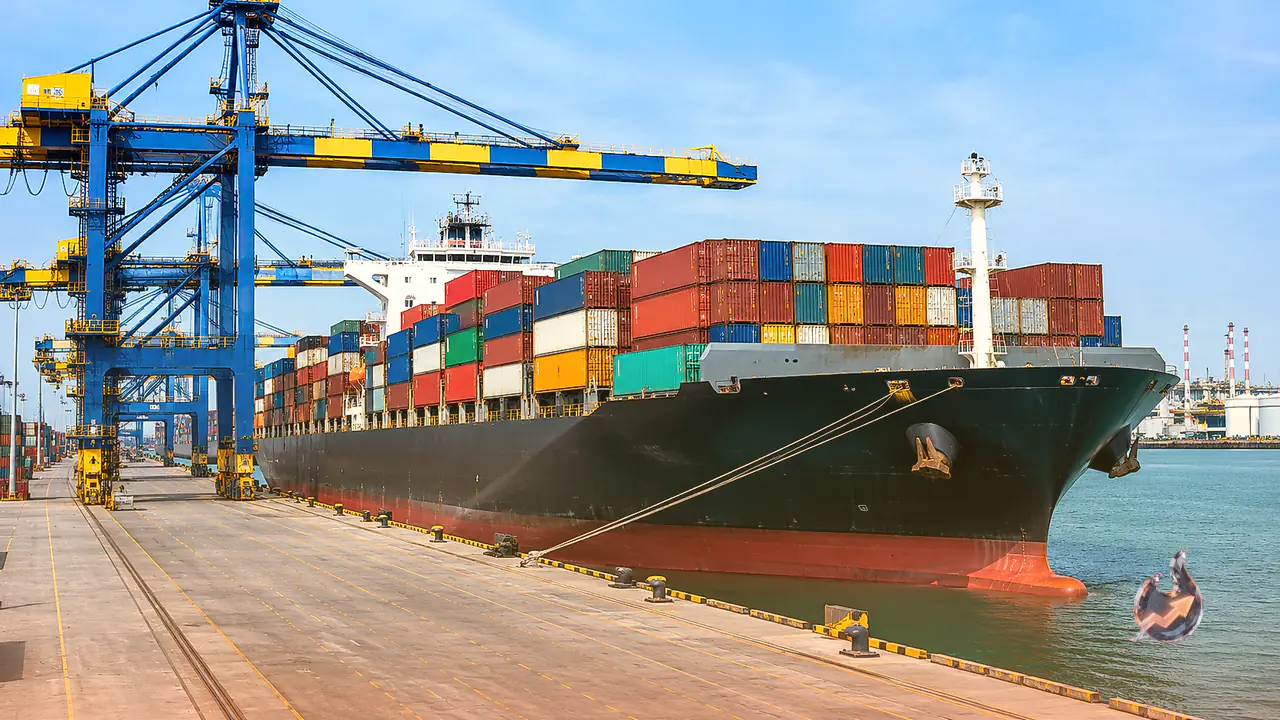

A second container terminal at Chennai’s Kamarajar Port is planned to handle rising import and export cargo from southern India. The Union Cabinet approved the project at a meeting chaired by Narendra Modi on November 25. Its estimated cost is ₹4,288.26 crore. The scale and depth of the facility are intended to let some of the largest container vessels call at the port.
Built for large vessels
The terminal will extend 900 metres, with a berth width of 30 metres and a design draft depth of 18 metres. That depth is designed to allow container ships up to 400 metres long, with capacity of up to 24,346 TEU, to enter and leave the port. The project is intended to strengthen India’s direct connections with major international maritime routes.
Annual container handling capacity is planned at 2 million TEU. Construction will take place in two phases. The first phase is assigned capacity of 1.1 million TEU, followed by 900,000 TEU in the second phase. Together, the two phases would give the terminal its planned yearly capacity of 2 million TEU.
Serving an industrial catchment
The project is meant to meet growing demand for containerized export and import cargo from the Chennai-Ennore industrial and economic region and wider hinterland areas of southern India. The cargo-producing sectors named for the region include automobiles and auto components, engineering goods, electronics, chemicals and other manufactured products. Added capacity and the ability to serve larger vessels are intended to support trade from these industries.
Costs split across two phases
The estimated cost for the project’s public-private partnership component is ₹4,288.26 crore, including GST. Of that total, ₹2,429.32 crore is allocated to the first phase and ₹1,858.94 crore to the second. The plan covers development of the second container terminal with a berth width of 30 metres. Its phased capacity is set at 1.1 million TEU in the first stage and 900,000 TEU in the next.
Existing capacity is already heavily used
Kamarajar Port Limited handled 4.908 crore tonnes of cargo and 1,008 ships during financial year 2025-26. Container traffic accounted for more than 700,000 TEU of that activity. The existing container terminal has installed annual capacity of 800,000 TEU and handled about 700,000 TEU in 2025-26, around 88 percent of capacity. The new facility will increase the port’s overall container handling capacity against this existing level of use.