






















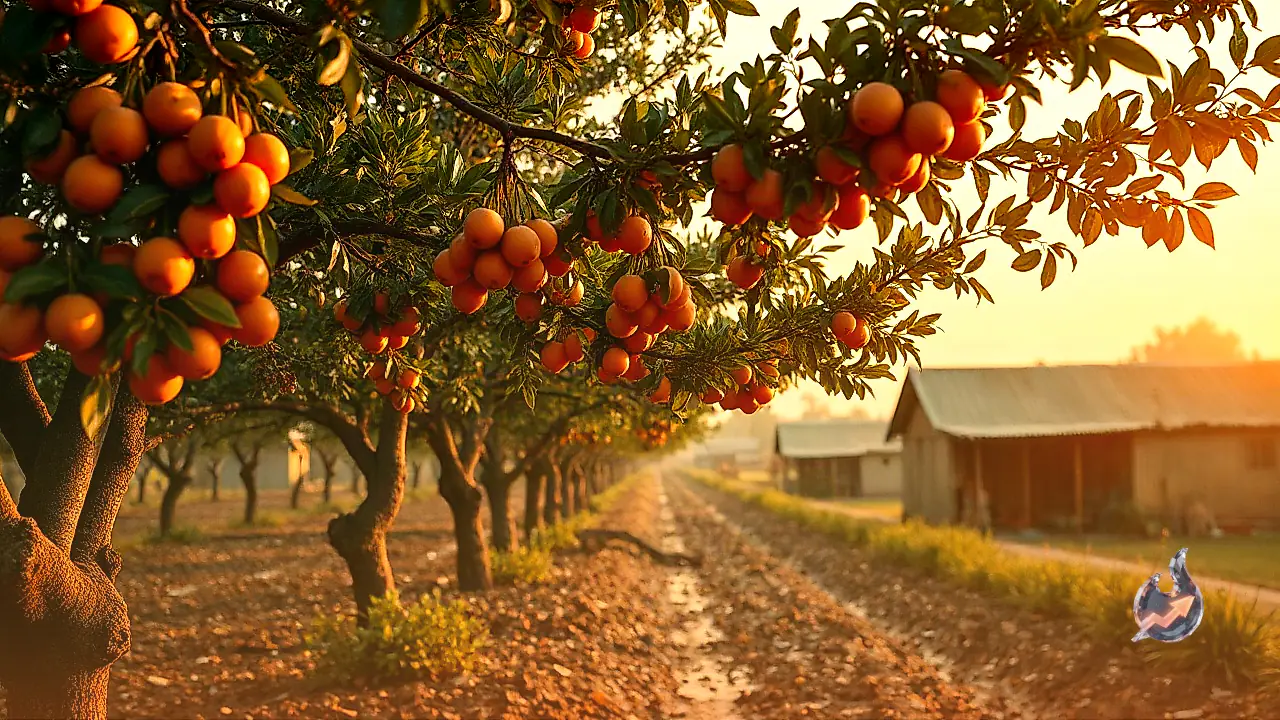

Farmers seeking to break away from the repetitive cycle of tilling, planting, and harvesting seasonal crops like wheat or chickpeas are increasingly considering perennial fruit orchards as a reliable pathway to steady income. Among various horticulture options, kinnow cultivation stands out as a promising choice. Once an orchard is established under favourable climate conditions and managed with proper agronomic care, the trees produce fruit across multiple decades, sparing growers the perpetual annual replanting routines associated with conventional row crops.
A Productive Lifespan Spanning Over Three Decades
The primary appeal of setting up a kinnow orchard lies in its long-lasting production window. Under suitable agro-climatic conditions and consistent upkeep, kinnow trees can remain commercially productive for roughly 30 to 35 years. This multi-decade lifespan fundamentally alters orchard economics, as growers do not need to reinvest in fresh saplings each season. After the initial juvenile period, the recurring responsibilities shift mainly to timely irrigation, targeted soil nutrition, pest management, and canopy maintenance to sustain healthy yields year after year.
Site Selection, Certified Saplings, and Drainage Demands
Careful site evaluation is a critical initial step before establishing an orchard. Kinnow trees require well-drained soil, as standing water or prolonged waterlogging around root zones can quickly trigger fungal decay and severe tree damage. Growers should procure only certified, healthy saplings from reputable nurseries to avoid bringing soil-borne pathogens into the field. Spacing between individual trees must be determined according to local soil fertility, slope conditions, and guidance from regional agriculture specialists to ensure adequate sunlight penetration and air movement.
Fruiting Timeline and Harvest Schedule
The reproductive cycle of kinnow moves strictly in tandem with seasonal weather patterns. Typically, flowering and fruit development commence around March. The developing fruit then remains on the tree through several months of maturation. By around August, harvesting operations can begin, allowing growers to harvest mature fruit and initiate dispatches to wholesale mandis and consumer markets.
Balancing Water Application Across Seasons
Irrigation schedules for kinnow trees must be adjusted according to soil moisture retention, local weather conditions, and tree age. Experienced cultivators typically deliver between 5 and 6 thorough irrigations over the course of a normal year. However, hot and dry summer spells routinely demand supplementary watering rounds to protect developing fruit from heat stress. Treating kinnow strictly as a low-water crop can impair fruit quality; irrigation management must instead reflect actual soil moisture reserves and local water availability.
Protecting Blooms from Whiteflies and Fungal Diseases
During the crucial flowering stage, kinnow groves frequently face infestations from pests such as whiteflies. Fungal infections can also emerge, damaging foliage, flowers, and developing fruit. Growers should avoid spraying unverified chemicals indiscriminately and should instead consult local agricultural extension officers for recommended insecticides or fungicides. Concurrently, incorporating balanced applications of organic compost and well-rotted farmyard manure preserves soil microbiome vitality and supports robust vegetative growth.
Input Economics and Expected Revenue Trajectory
The financial profitability of kinnow horticulture is governed by fruit yield volume, aesthetic grading, and prevailing mandi prices. Preparing and maintaining an area of 1.5 to 2 bighas generally involves an expenditure ranging between 6 and 8 thousand rupees. Under optimal conditions with healthy yields and receptive markets, that landholding can yield an annual profit of up to 2 lakh rupees. Nevertheless, these earnings vary widely between individual operations. Final take-home profit remains tied to total tree count, overall production tonnage, fruit grade, prevailing labor rates, irrigation and chemical inputs, and wholesale price movements.