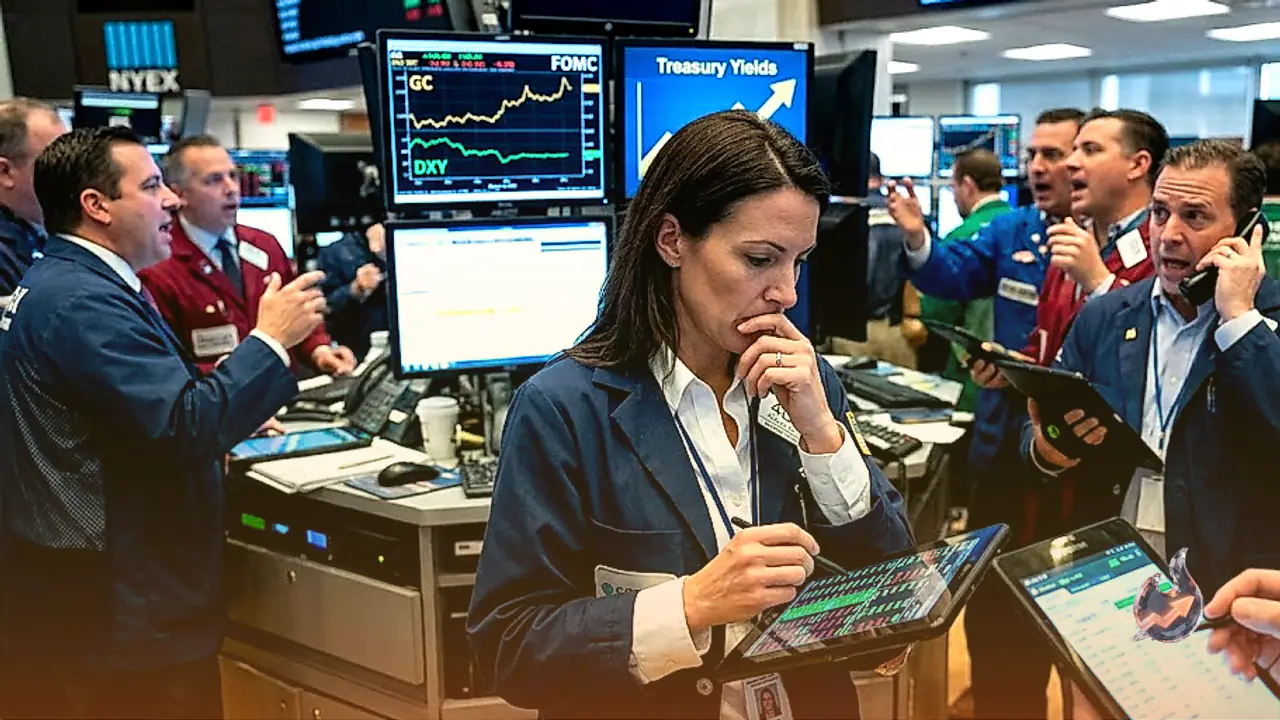























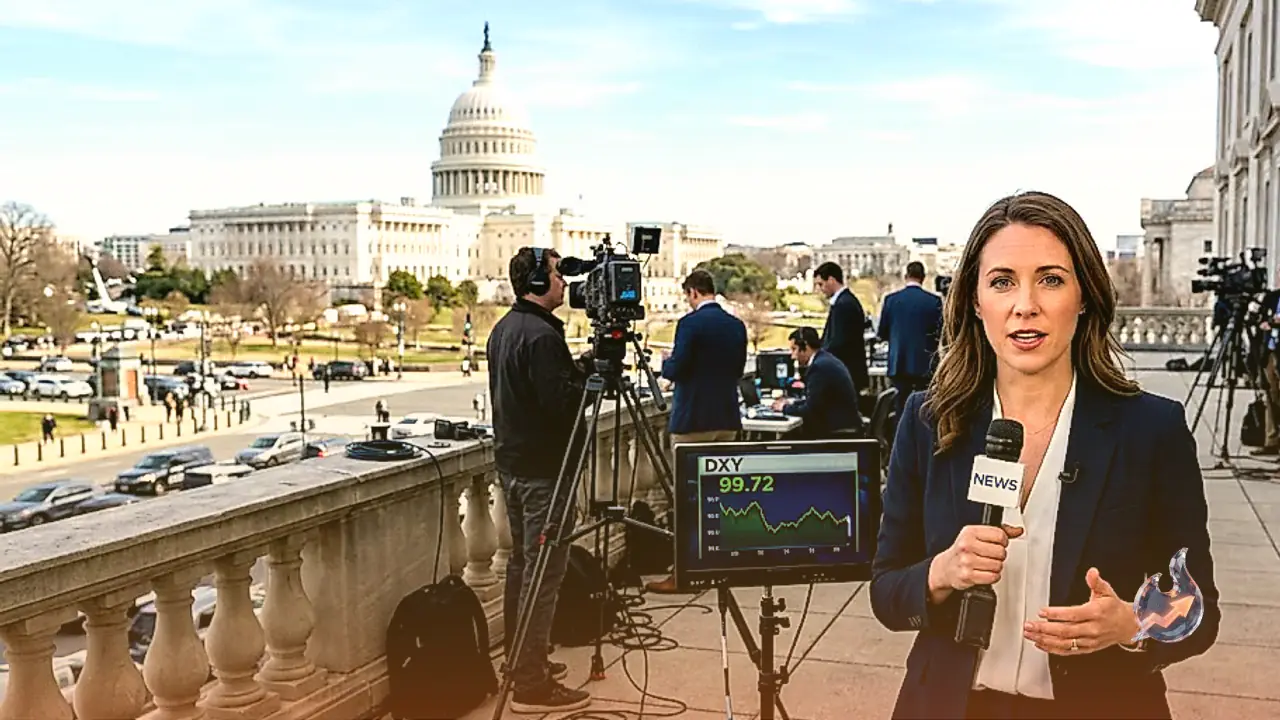

Currency traders adopted a guarded stance on Wednesday as the US Dollar Index (DXY), which gauges the value of the greenback relative to a basket of major currencies, pulled back moderately from a two-week high touched earlier in the session. Despite the retreat, aggressive selling remained largely absent, allowing the gauge to flatline above the mid-99.00 territory during early European hours while global participants awaited the conclusion of the Federal Open Market Committee (FOMC) gathering.
Treasury Yields Surge on Energy Inflation and Borrowing Pressures
Anticipation surrounding the central bank decision has been heavily shaped by risks stemming from energy-driven inflation, reinforcing projections that the Federal Reserve will maintain policy tightening. Compounding these inflation anxieties, a notable expansion in public and corporate borrowing fueled a broad-based retreat across international bond markets. This sustained bond selloff pushed the yield on the benchmark 10-year US Treasury note through the 5% threshold, reaching territory not witnessed since 2023 and marking its highest mark since 2007. The climb in sovereign yields continues to offer firm structural support under the dollar against key peers.
Geopolitical Anxieties in the Middle East Bolster Safe-Haven Appeal
Beyond interest rate dynamics, escalating confrontations across the Middle East have provided an additional tailwind for the greenback in its traditional role as a safe-haven asset. Saudi authorities recently declared security alerts spanning multiple areas, notably the holy city of Mecca and Jeddah, following a sequence of strikes launched by Iran-aligned Houthi forces in Yemen. Concurrently, the Saudi-led coalition announced intentions to deliver a firm response to missile and drone operations conducted by the Houthis. At the same time, friction between Washington and Tehran continues to underpin the reserve currency profile of the dollar. These geopolitical risk factors suggest that corrective declines in the index are likely to encounter steady buying interest.
Technical Parameters for the Dollar Index
On the charts, initial downside support for the DXY is situated around the 23.6% Fibonacci retracement level near 99.27. Should selling momentum extend, the broader structural floor rests around 98.55, where market participants anticipate buyers will defend the prevailing range. Across daily currency performance, the greenback exhibited widespread resilience, establishing its most pronounced gains against the Canadian Dollar.
Cross-Asset Movements: Yen, Aussie Dollar, and Gold
Shifts across currency pairs and precious metals reflect the overarching caution tied to central bank policy tracks.
The USD/JPY pair advanced to a fresh one-week peak above 155.00 during Asian market hours, propelled by dollar strength and multi-year high US yields. Gains remained contained below mid-155.00 levels as bulls turned hesitant ahead of the Fed policy announcement and the upcoming Bank of Japan (BoJ) meeting beginning Thursday. For more than a decade, ultra-low interest rates in Japan served to fund trillions of dollars in worldwide investments, establishing the Japanese Yen as a premier global funding vehicle. With the BoJ expected to tighten its stance, this dynamic is entering a transition phase, contrasting with prior periods when Japan remained an outlier while peer central banks increased rates.
Meanwhile, the risk-sensitive Australian Dollar remained under pressure. The AUD/USD pair held a negative trajectory for a third consecutive session, defending the 0.7100 threshold while lingering near monthly lows during Wednesday trading. The currency felt the dual impact of anticipated Fed tightening and heightened Middle Eastern tensions.
In the commodity space, gold struggled to sustain modest intraday gains and remained beneath the $4,350 mark in European trade. A slight pause in the greenback following its two-week peak provided nominal relief, yet market participants largely refrained from directional positions ahead of the FOMC policy resolution.
Economic Data Context Leading into the Decision
The macroeconomic backdrop leading into this monetary event was underscored by an upbeat US August jobs report, which initially prompted traders to price in a more hawkish rate path. However, the subsequent US August consumer price index (CPI) figures carried greater weight in shaping expectations regarding persistent price pressures, ensuring market participants remain firmly positioned on the sidelines until the central bank delivers its official policy verdict.