







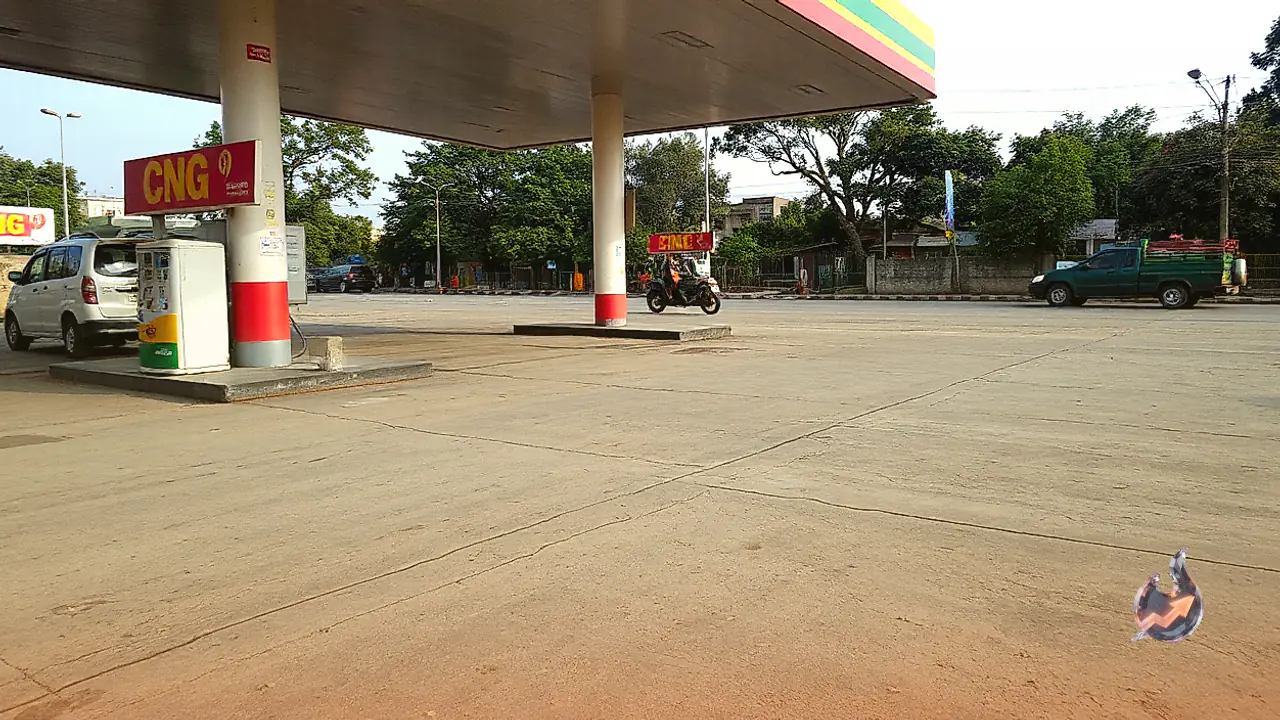














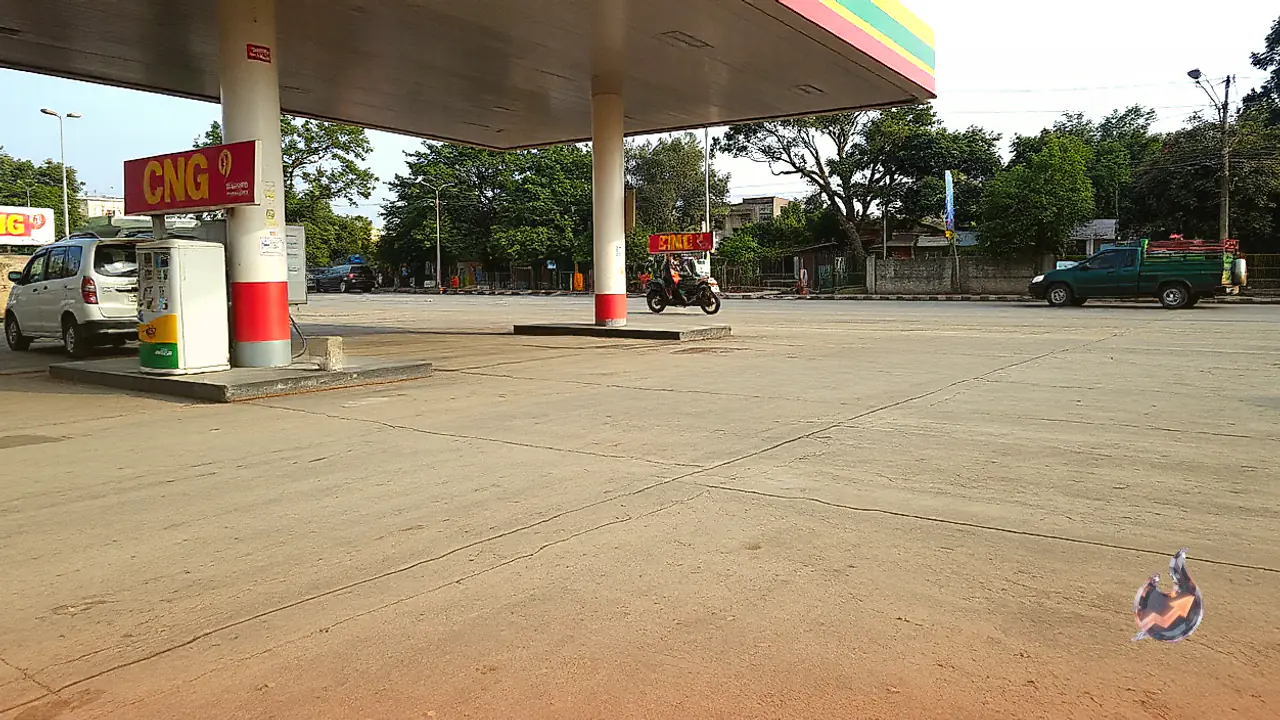

Commuters and commercial vehicle operators across Mumbai and the Mumbai Metropolitan Region (MMR) face fresh financial pressure following an immediate hike in fuel rates. Mahanagar Gas Limited (MGL) has implemented an increase of Rs 1.50 per kilogram for compressed natural gas (CNG). Effective since Saturday midnight, this revision pushes the retail fuel price in the metropolis to Rs 91.50 per kilogram, directly altering running operational budgets for thousands of vehicle owners.
The Eighth Revision During the Current Year
This latest price action by the city gas supplier marks the eighth time CNG tariffs have climbed over the course of the current year. The supplier had previously raised prices on November 1 by Rs 1 per kilogram. Consequently, within a span of just 15 days, consumers have seen costs surge by Rs 2.50 per kilogram. Expanding the timeline to the last 75 days shows that retail rates have jumped by a combined total of Rs 5.50 per kilogram.
Cumulative Rise of Rs 11 in 2026
Data indicates that at the start of January 2026, motorists in Mumbai were purchasing CNG at a baseline rate of Rs 80.50 per kilogram. Following eight separate price hikes across recent months, the retail fuel rate has escalated by an aggregate of Rs 11 per kilogram. This development represents an approximate 14 percent jump in overall gas prices during the period. The pace of revisions has accelerated in recent months, with a notable Rs 5.50 per kilogram increase recorded just between the beginning of September and the present date.
Supply Constraints and Higher Sourcing Costs
Underlying the repeated price hikes are geopolitical strains and domestic fuel availability dynamics. Ongoing conflict and crisis conditions in West Asia have interrupted international fuel supply chains. Compounding this challenge, the reduced supply of cheaper domestic natural gas has prompted utilities to rely heavily on higher-priced imported alternatives. The resulting surge in procurement outlays has created sustained cost pressures, prompting adjustments in retail consumer prices.
Operating Expense Pressure on Commercial Fleets
The revised rates will place an immediate burden on the daily earnings of commercial operators across the metropolitan belt. Thousands of auto-rickshaws, city taxis, and fleet transport vehicles run entirely on CNG fuel. With operating overheads climbing each time the pumps are recalibrated, transport drivers will contend with squeezed profit margins, creating broader implications for routine transit and daily commuter budgets across the region.