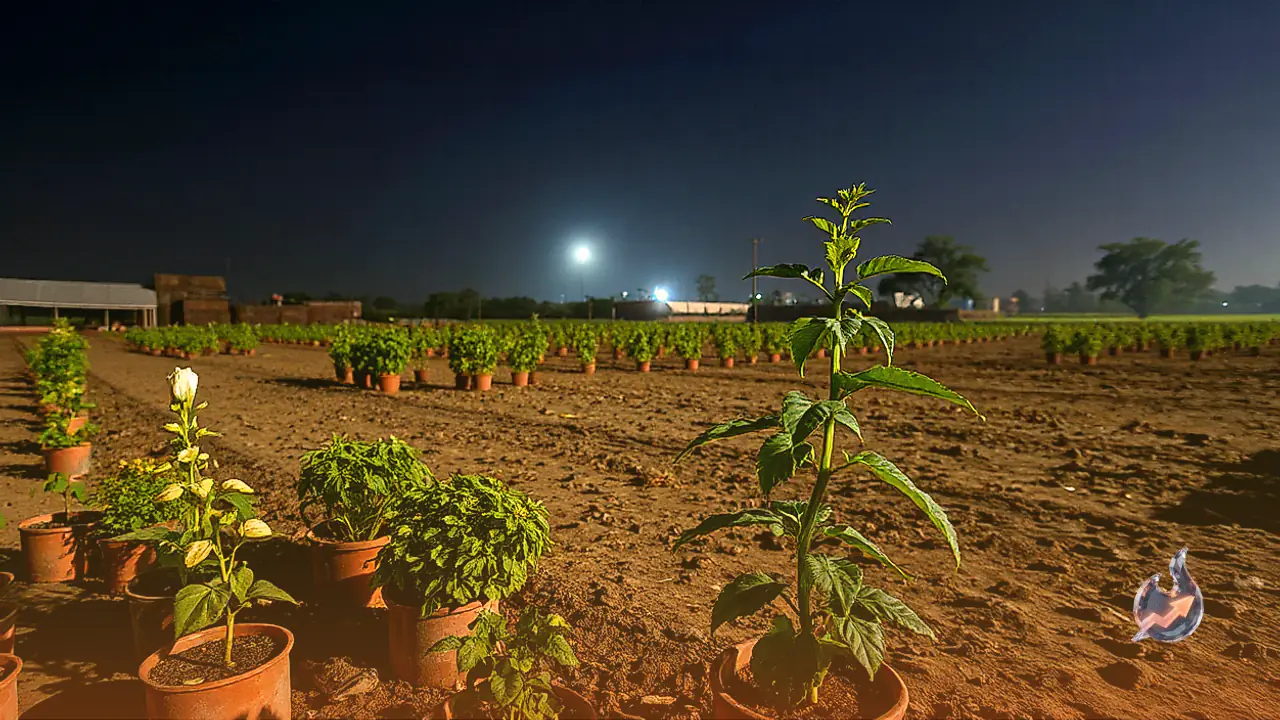





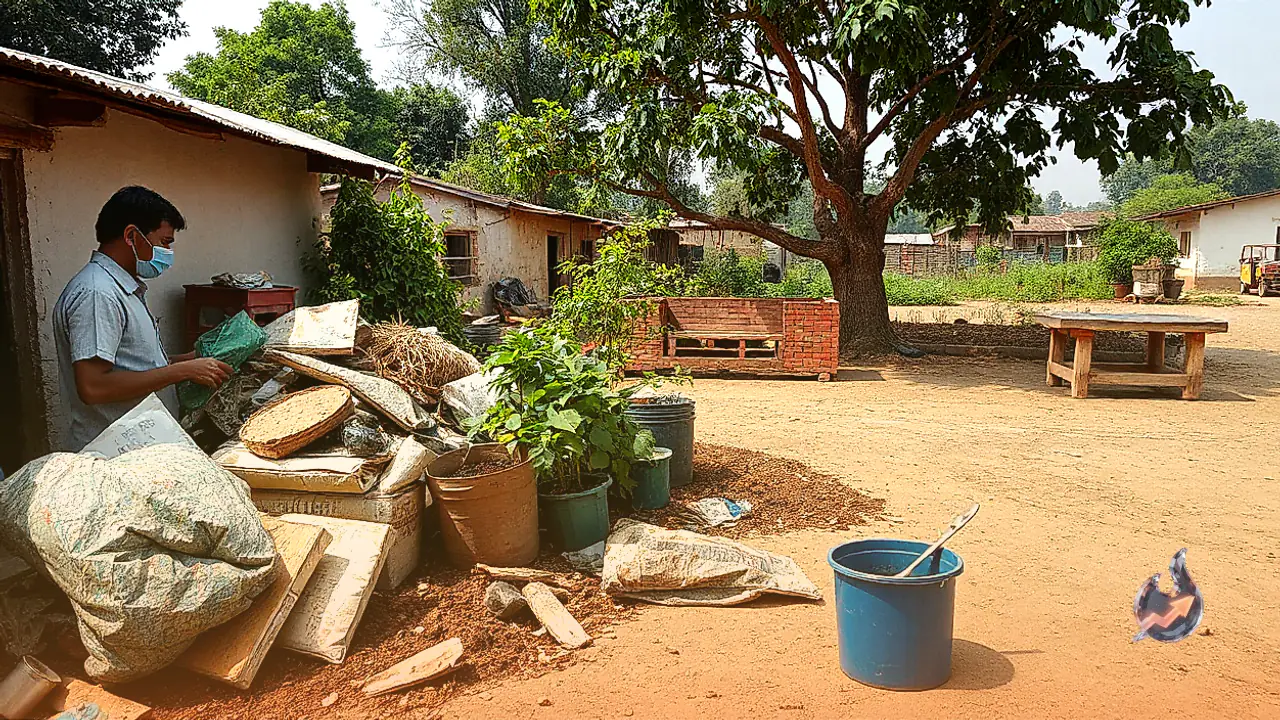
















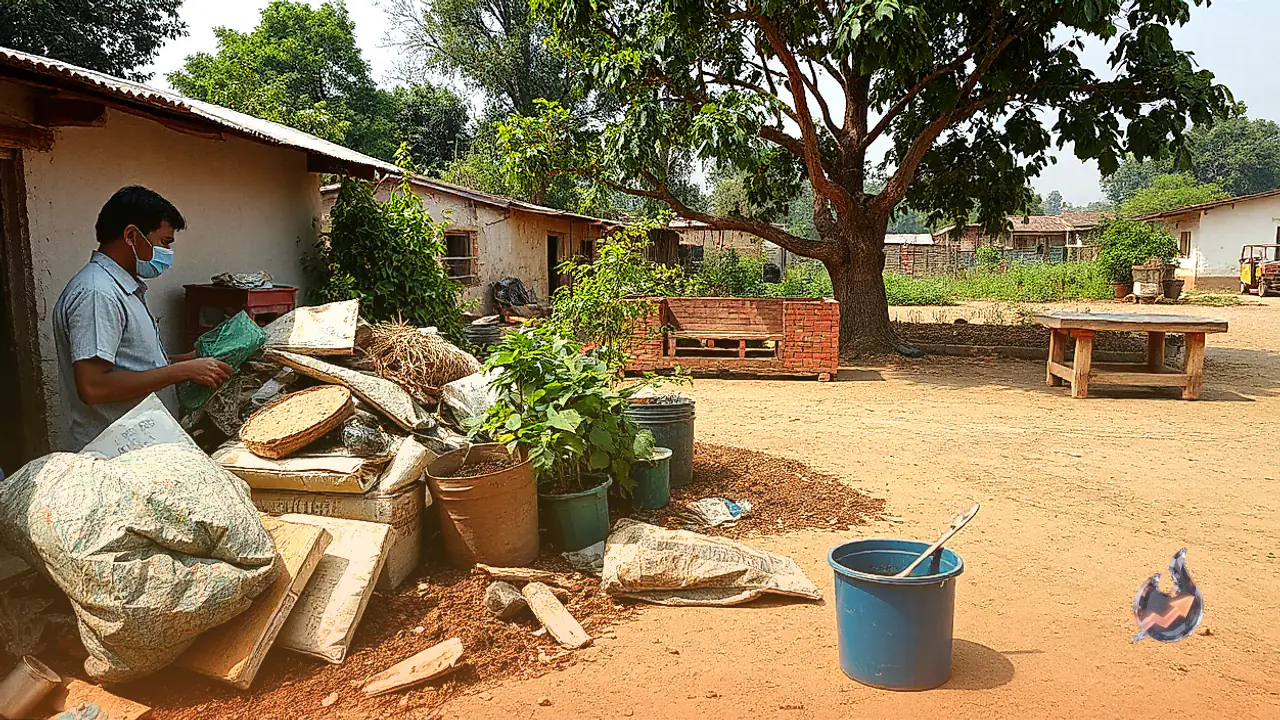

Urban gardeners and plant lovers frequently face the dilemma of depleted potting soil once a container plant dies or seasonal annuals finish their life cycle. Left untouched, this soil turns compact, barren, and chalky, leading many people to spend money purchasing fresh bags of potting mix every season. However, discarding spent soil is completely unnecessary. With systematic cleaning, solarization, and the balanced addition of organic soil amendments, exhausted container mix can be restored into an airy, nutrient-dense growing medium ready to support fresh plant growth.
Sun Drying and Clearing Debris
The foundational step in rejuvenating old potting soil begins with removing it from the container and sorting through the material thoroughly. Spread the soil out and carefully pull out dead root balls, dry foliage, weed fragments, and any lingering garden debris. Once cleaned, transfer the soil onto a broad tray, clean tarp, or sturdy plastic sheet, spreading it evenly in a thin layer. Leave it exposed to direct, strong sunlight for 3 to 4 days. If weather or space is restricted, ensure it receives at least 2 full days of harsh sun exposure. Solar drying evaporates trapped dampness, aerates the mixture, and makes it considerably easier to break down stubborn clumps and sift the material.
While sunning the soil is an essential step, it comes with practical limitations. Sun exposure alone does not guarantee the complete eradication of deep-seated soil pathogens, persistent fungal spores, or microscopic pests. If the previous plant residing in that pot suffered from severe root rot or a contagious blight, it is safest to discard that specific batch of soil entirely rather than risk transmitting the disease to new plants.
Replenishing Nutrients with Compost
Over a plant's growing cycle, essential macro and micronutrients are entirely drained from container soil. Once the drying process is complete, restoring biological life and nutrition is the primary objective. High-grade vermicompost or well-decomposed cow dung manure serves as the best base for this rejuvenation. The recommended ratio is roughly 10 to 20 percent manure relative to the total soil volume. In practical terms, for every 10 kilograms of old soil, blend in about 1 to 2 kilograms of compost.
Introducing compost enriches the growing medium with organic matter, improving the soil's microbial balance and delivering sustained nutrition to developing seedlings. Gardeners must strictly avoid mixing fresh, unfermented cow dung directly into the soil. Raw manure undergoes hot decomposition, generating intense internal heat and releasing gases that will easily scorch sensitive feeder roots and kill young plantings.
Loosening Dense Soil with Cocopeat
Repeated watering cycles cause potted soil to settle, lose porosity, and solidify into dense blocks where delicate new roots struggle to penetrate. Adding cocopeat is an effective way to rebuild structure and softness. For every 10 kilograms of soil mix, incorporating approximately 1 kilogram of cocopeat creates an optimal balance. Cocopeat reduces overall soil density, producing a light, crumbly texture that encourages healthy root respiration and unhindered root spread.
Furthermore, cocopeat excels at retaining consistent moisture, keeping the root zone hydrated between waterings. However, restraint is necessary, because adding excessive amounts of cocopeat can cause the soil to hold surplus water, elevating the danger of waterlogging and root rot. Always tailor the cocopeat proportion to suit the drainage requirements of the specific plant variety you intend to cultivate.
Integrating Neem Cake, Bone Meal, and Turmeric
To give the revitalized potting mix protective properties and targeted nutrients, specific organic amendments should be integrated into the blend. Add approximately 200 to 250 grams of neem cake powder per 10 kilograms of soil. In home gardening, neem cake is valued for bolstering general soil health while creating an inhospitable environment for various subterranean soil pests. Alongside neem cake, bone meal can be incorporated as a slow-release source of phosphorus and calcium, two minerals critical for vigorous root branching and steady structural growth. Always measure bone meal according to the specific dosage instructions printed on the manufacturer's packaging.
During this stage, approximately 20 grams of turmeric powder can also be folded into the batch. While turmeric is a common domestic addition believed to offer anti-fungal properties, there is no verified guarantee that it permanently eliminates soil-borne fungal infections or plant diseases. Gardeners should view it as an optional additive rather than a foolproof cure for contaminated soil.
Final Blending and Drainage Inspection
After assembling the soil, compost, cocopeat, neem cake, bone meal, and turmeric in their precise proportions, turn the entire pile thoroughly using a garden trowel or clean hands. Work through the mixture until every ingredient is distributed uniformly and all hard, compacted dirt clods are crushed into fine, crumbly particles. When filling your pots, verify that the bottom drainage holes are unobstructed and shielded with a curved piece of broken terracotta or gravel to allow excess water to drain freely. Finally, double-check that the overall moisture and drainage profile of the mixture aligns with the unique preferences of the plant you are preparing to pot.