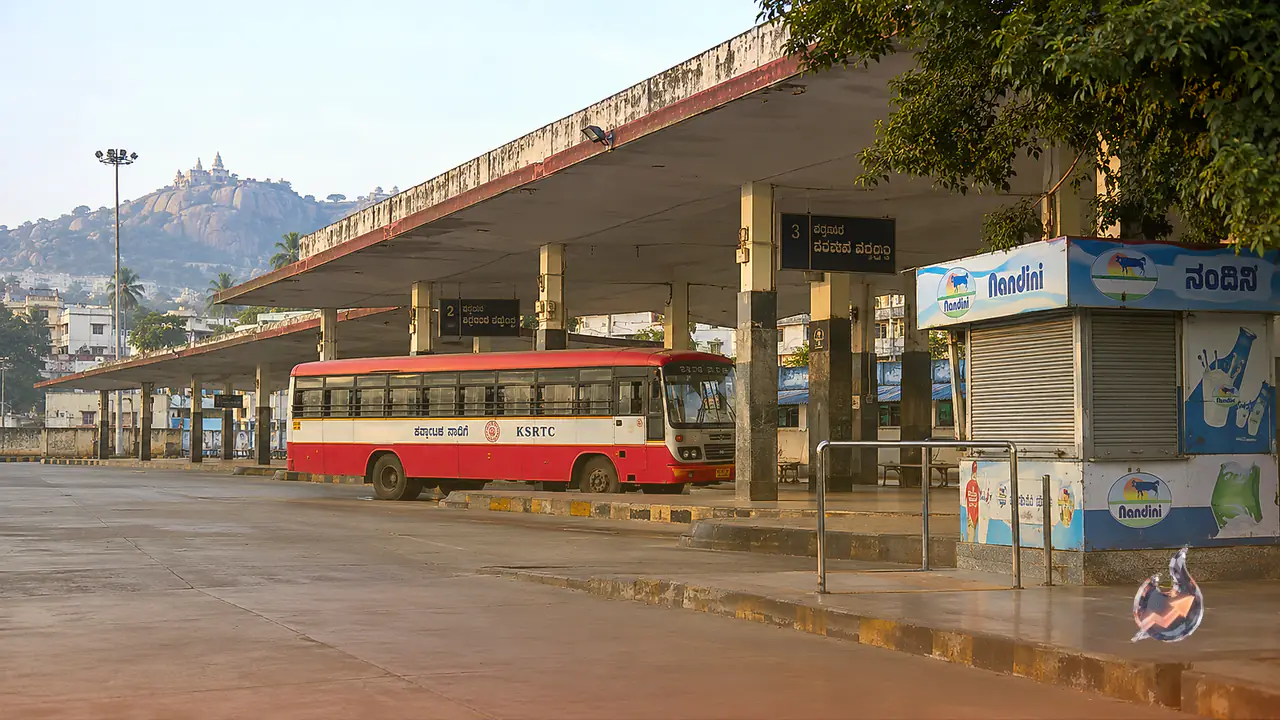

















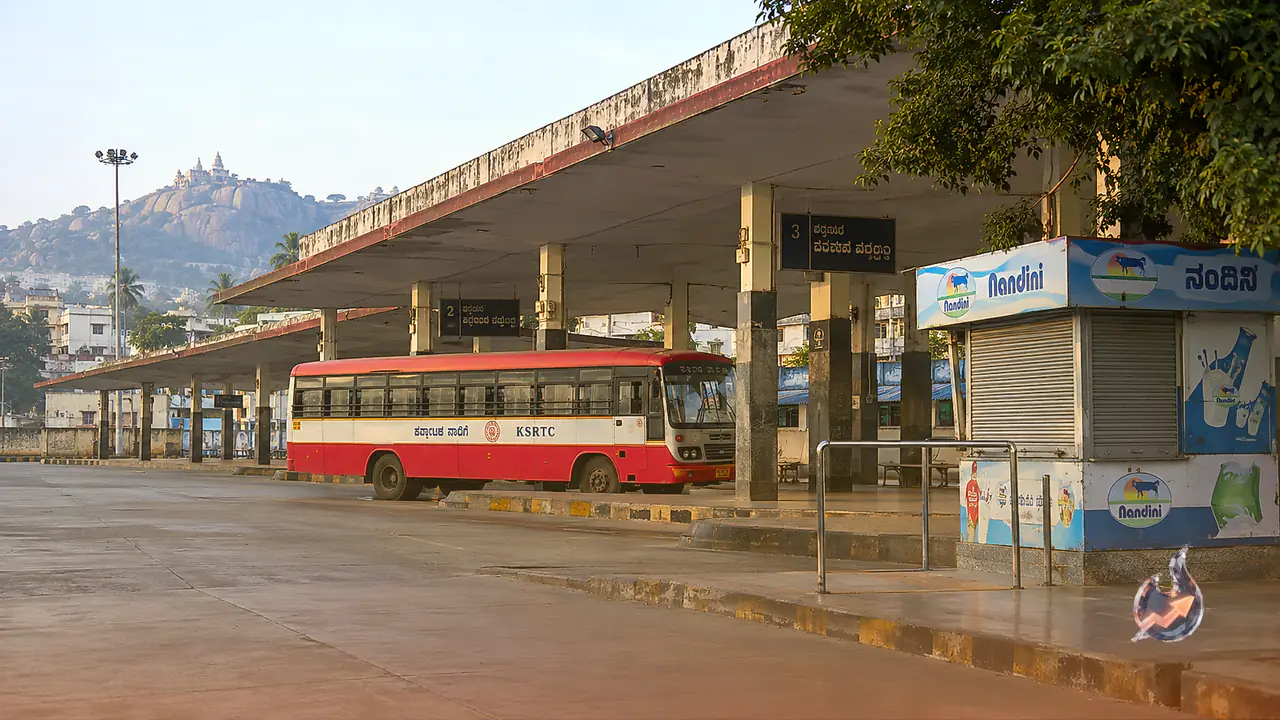

Ordinary citizens in Bengaluru and across Karnataka are facing an imminent financial squeeze as the state government prepares to revise public bus fares upwards. This comes shortly after a steep hike in the price of Nandini milk, which saw rates go up by 8 rupees per liter. All four state-owned transport corporations are currently grappling with severe financial deficits and the crushing burden of soaring diesel prices. Transport Minister Byrathi Suresh has strongly indicated that the government could officially announce a bus fare hike on November 4, following discussions held at the highest levels of the administration.
High-Level Meetings and Chief Ministerial Consultations
The issue of fare revision was extensively deliberated by the Chief Minister during a cabinet meeting, with the final authority on the matter delegated directly to the transport department. Transport Minister Byrathi Suresh is scheduled to hold a crucial meeting on November 3 with senior department officials and the managing directors of all four transport corporations. This preparatory discussion will pave the way for a formal press conference the following day where the revised fare structure is expected to be unveiled. If implemented, this will mark the second instance of fare revision during the tenure of the current government.
The Timing and Context of the Fare Revision Push
The timing of the transport discussions closely coincides with the cabinet approval to increase Nandini milk prices by 8 rupees per liter, which took effect on November 1. During the very same cabinet session, the question of modifying public transport tariffs was taken up with considerable seriousness. Elaborating on the background, Karnataka Minister Krishna Byre Gowda noted that fuel prices had climbed back in January of the previous year, prompting transport corporations to continuously lobby for a fare adjustment ever since. While the increase had not been enforced immediately, officials signaled that a definitive resolution was imminent.
Deepening Financial Distress Across the Four Corporations
According to Transport Minister Byrathi Suresh, KSRTC, BMTC, NWKRTC, and KKRTC are all operating under immense fiscal strain. The relentless escalation in diesel prices has dramatically inflated the operational costs of running these fleets, making it increasingly difficult to meet daily expenditures and disburse employee salaries on time. To address this structural challenge, a dedicated fare regulatory committee headed by Atul Kumar Tiwari had been constituted earlier, and this panel has already submitted its comprehensive findings and recommendations to the government.
Examining the Impact of the Shakti Scheme
The state has been implementing the Shakti scheme since June 2023, a popular welfare initiative that grants eligible women free travel on ordinary government buses across Karnataka. While the program has successfully driven a massive surge in daily passenger volume, it has simultaneously expanded the operational footprint and maintenance overheads for the transport networks. Although the state government reimburses the corporations for the cost of women passengers, the unyielding spike in diesel expenses has prevented any meaningful reduction in overall operational losses. To bridge this persistent financial gap, authorities are now actively pursuing a fare hike as a necessary fiscal correction.