






















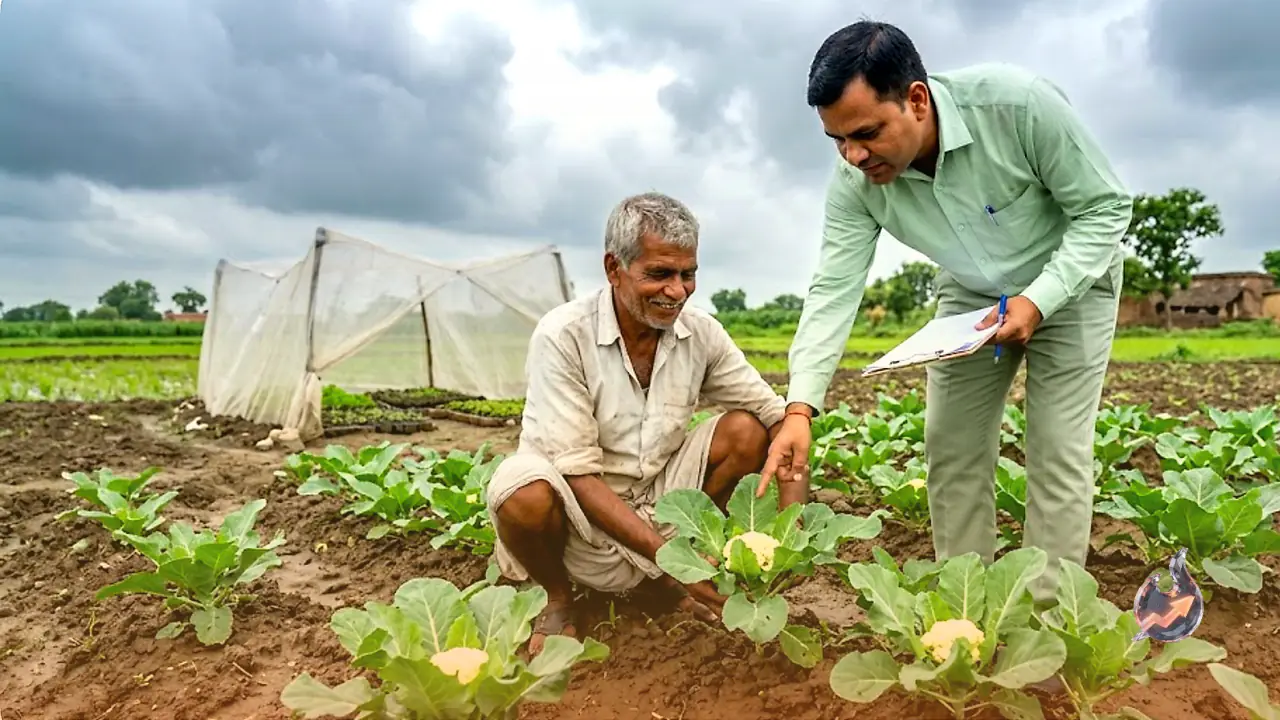

Preparing a nursery during the rainy season is a highly delicate task for early cauliflower cultivation. Speaking to TrendKia, Dr. Puneet Kumar Pathak, the District Horticulture Officer of Shahjahanpur, explained that for July planting, the nursery must always be raised on beds that are 15 cm above ground level or inside pro-trays. Stagnant rainwater during monsoon causes young seedlings to rot, making proper drainage absolutely essential. When preparing the soil mixture, blend in equal parts of well-rotted cow dung manure or vermicompost along with a small portion of cocopeat. To eliminate the risk of fungal infections in the early growth stages, always treat the seeds with a fungicide before sowing.
Protecting Tender Seedlings from Heavy Rain and Heat
To shield delicate young plants from the harsh impact of direct, heavy monsoon downpours, growers must construct a protective canopy using a 50 percent shade net or a transparent plastic sheet. High humidity and intense heat can make the seedlings grow weak, thin, and unusually tall. To prevent this, water the plants lightly only in the mornings and evenings. When raised with these scientific precautions, the early-variety seedlings become fully ready for transplanting into the main field within 20 to 25 days.
Soil Preparation and Field Layout
Sandy loam or deep loam soils with excellent drainage capacity are ideal for early cauliflower cultivation. To prepare the field, carry out the first ploughing using a cultivator. Following this, distribute at least 8 to 10 tons of well-rotted cow dung manure per acre across the field. Run a rotavator afterward to pulverize the soil and level it properly. To avoid waterlogging issues altogether, planting on ridges or raised beds is highly recommended.
Optimal Transplanting Techniques and Spacing
Early cauliflower must always be transplanted onto ridges or raised rows to keep rainwater from coming into direct contact with the stems, which can cause rotting. Maintain a row-to-row distance of 60 cm and a plant-to-plant distance of approximately 45 cm. It is best to perform the transplanting in the late afternoon or evening hours to protect the young saplings from getting scorched by the hot sun. Ensure a light irrigation immediately after transplanting to help the roots establish themselves firmly in the soil.
Balanced Nutrition and Disease Prevention
Cauliflower crops require a well-balanced supply of nitrogen, phosphorus, and potash. At the time of transplanting, apply 50 kg of DAP, 40 kg of Muriate of Potash (MOP), and 25 kg of Urea per acre. To prevent the 'Browning' disease, which turns the curd brown, incorporate 5 kg of Boron into the soil. Additionally, applying Ammonium Molybdate to the soil or spraying it is vital to protect the crops from 'Whiptail' disease.
Water Management and Intercultural Operations
Since July brings persistent rainfall, irrigation is only necessary during unexpected dry spells. Water must not be allowed to stagnate in the field under any circumstances, as excess moisture leads to devastating conditions like root rot and stem rot. Dig deep drainage channels around the borders of the field to ensure excess water is drained away immediately, keeping the crop safe.
According to Dr. Puneet, the first weeding and hoeing should be performed within 15 to 20 days of transplanting. This removes nutrient-stealing weeds and aerates the root zone, speeding up crop growth. During the second weeding session, pile loose soil around the base of the plants (earthing up) to provide structural support against strong winds and heavy rainfall.
Pest and Fungal Disease Management
Monsoon conditions often invite attacks from destructive pests such as the Diamondback Moth (DBM), stem borers, and aphids. Spraying neem oil regularly acts as an effective preventive measure. In case of severe infestations, apply recommended chemical pesticides. To protect the crop from fungal diseases like blight and downy mildew, spray SAAF fungicide or Copper Oxychloride at regular intervals of 12 to 15 days.