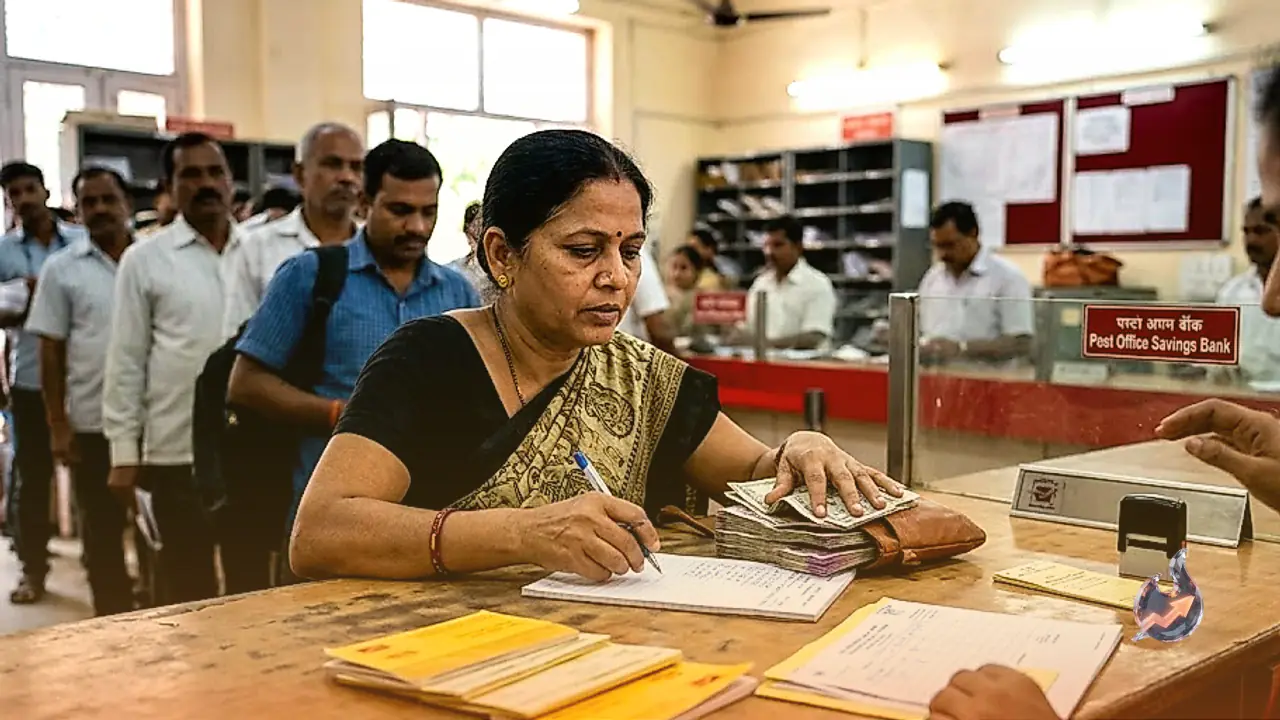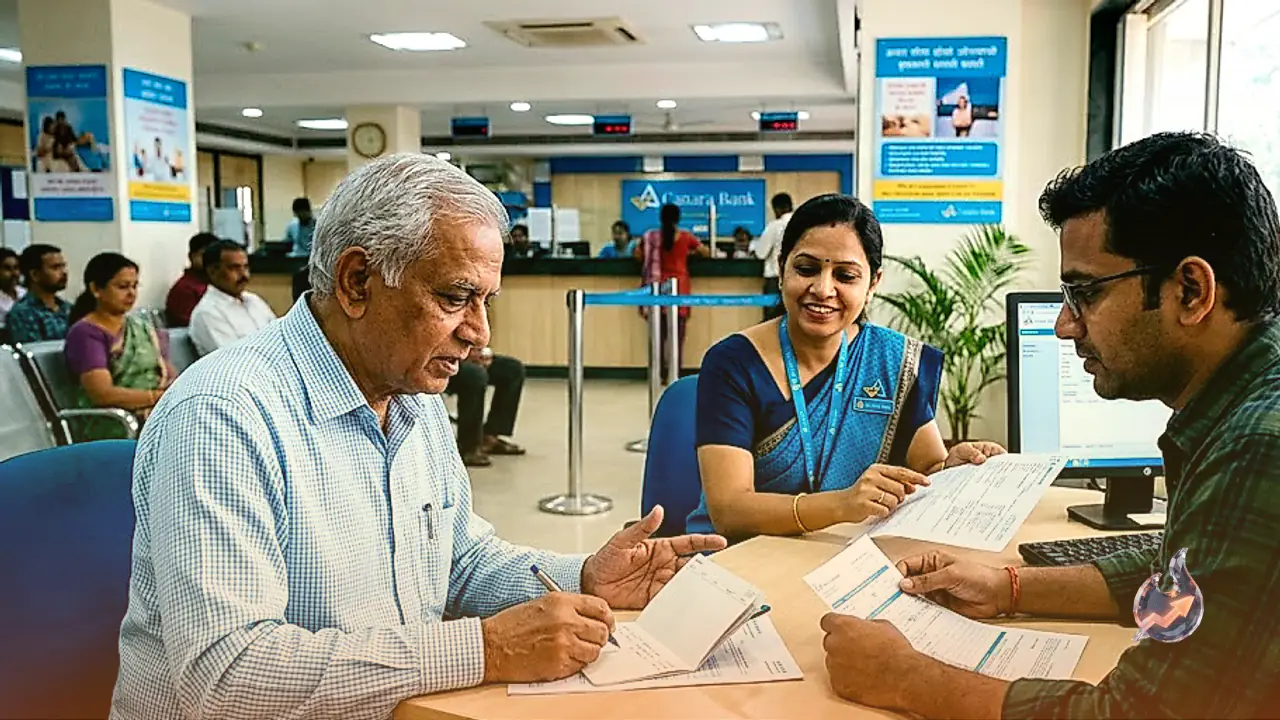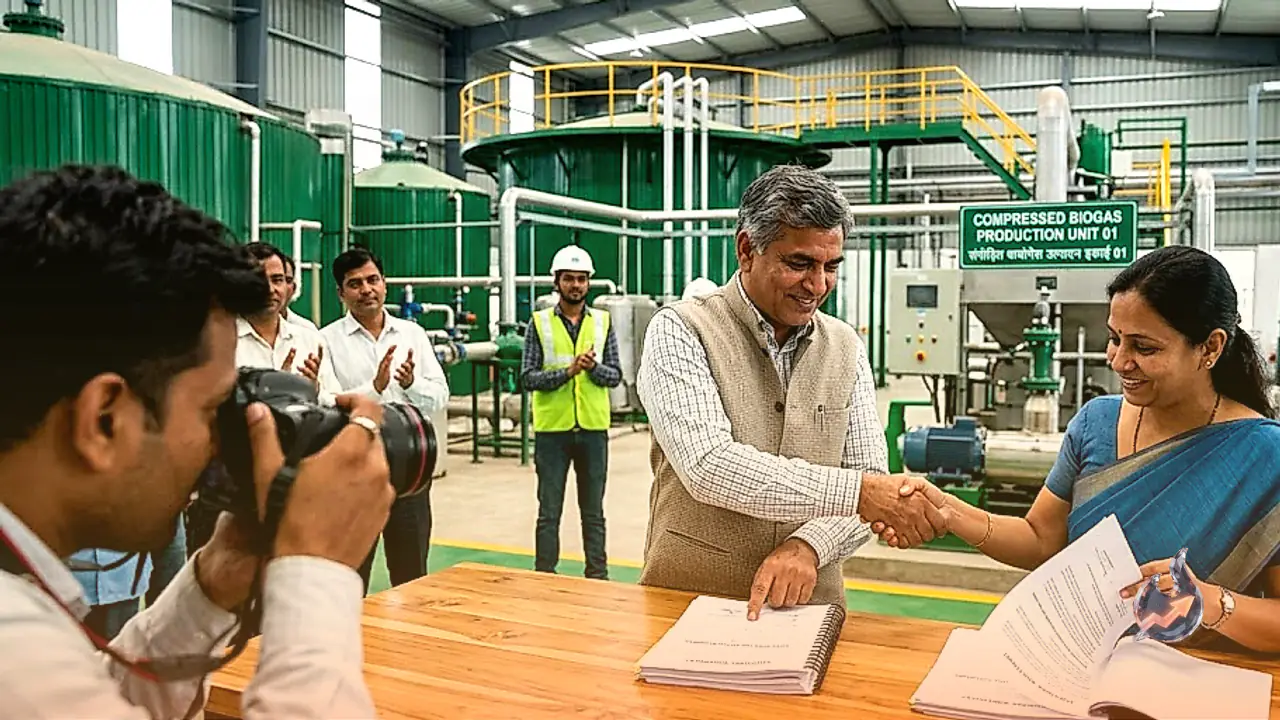






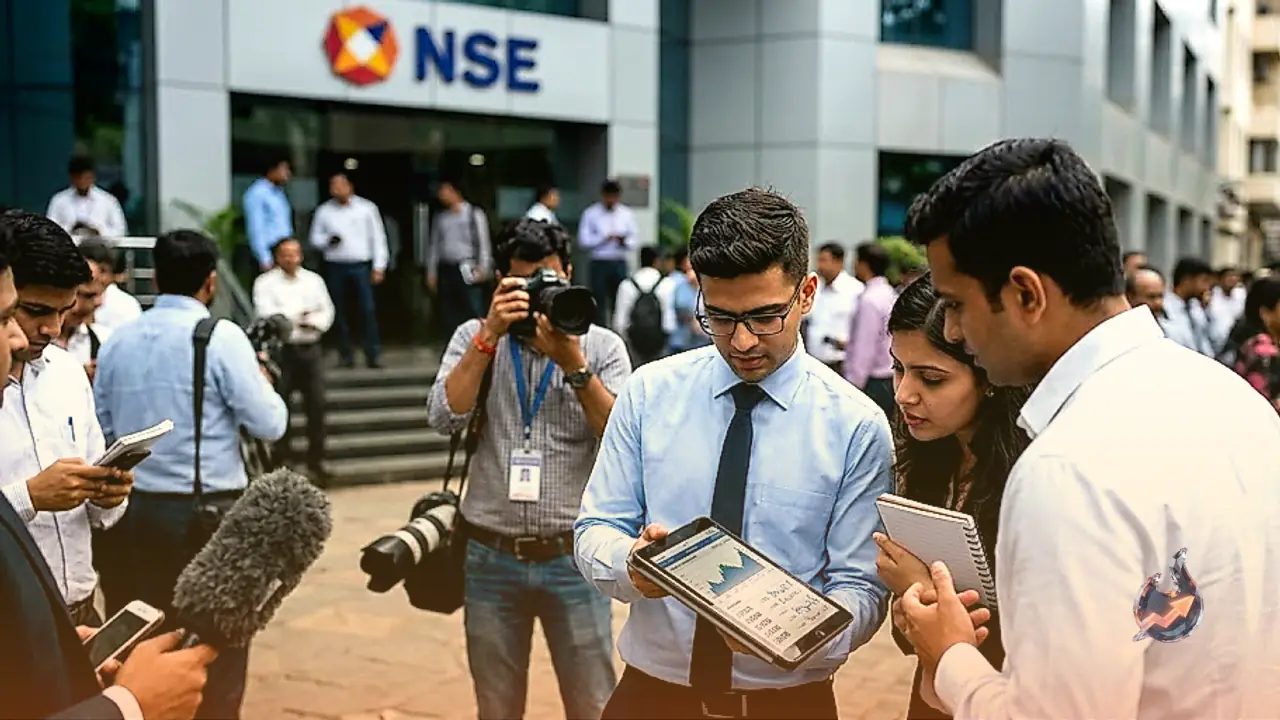
















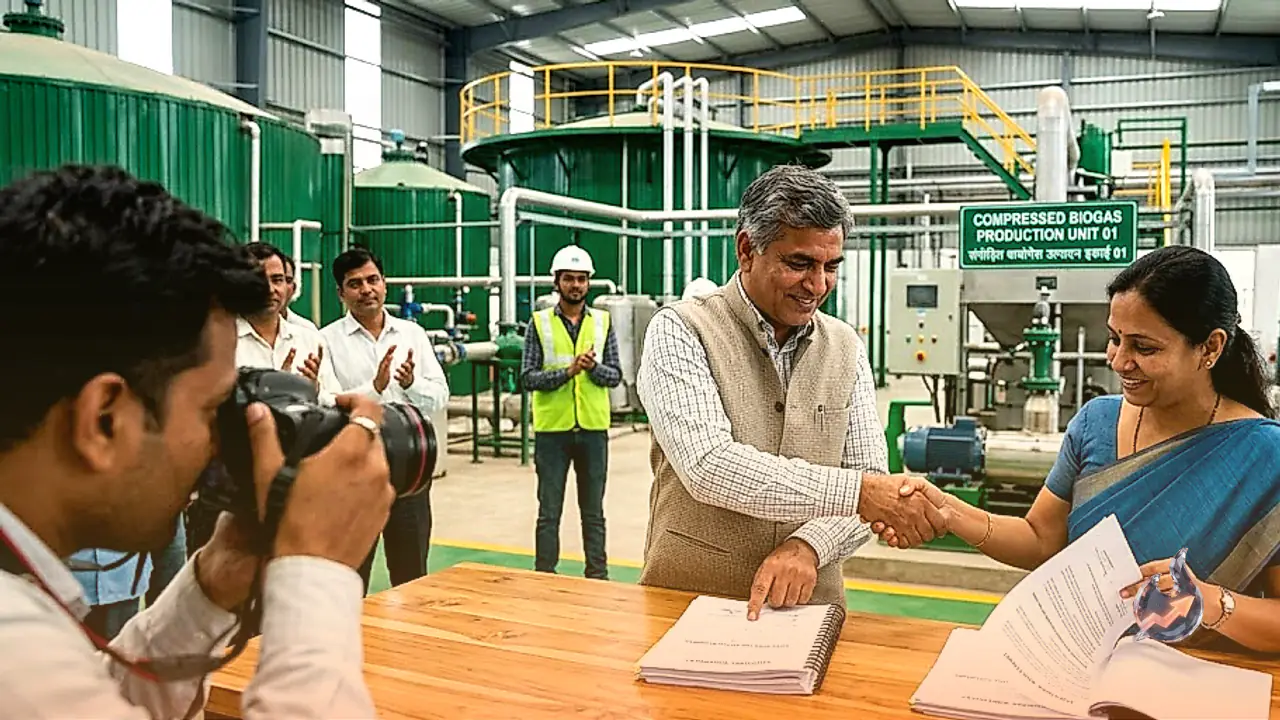

In a major push to accelerate the production of clean energy from organic waste, the 23,731 crore rupee GOBARdhan initiative has been officially rolled out across the country. Under this extensive framework, producers of compressed biogas (CBG) will receive up to 100 percent guaranteed procurement of their commercial output, financial capital support, and an administered pricing system spanning at least a decade. According to operational guidelines released by the Ministry of Petroleum and Natural Gas on September 15, the operational window for this comprehensive support structure will run from the financial year 2026-27 through 2035-36.
Transforming Agricultural and Organic Waste into Fuel
The GOBARdhan program, which stands for Galvanizing Organic Bio-Agro Resources Dhan, has been designed to foster a viable domestic marketplace for green gas projects and attract substantial private capital. The mechanism focuses on utilizing cattle dung, agricultural crop residues, food waste, and assorted organic discards to generate biogas, compressed biogas, and nutrient-rich bio-fertilizers. By establishing long-term revenue predictability, the initiative aims to remove commercial hurdles that previously discouraged developers from setting up large-scale processing facilities.
Six Strategic Pillars Anchor the Policy Framework
Guidelines issued by the ministry outline six fundamental components that form the backbone of the scheme. These core pillars include assured CBG off-take, an administered pricing architecture, upfront capital support, dedicated pipeline infrastructure connectivity, credit guarantee facilities to de-risk commercial lending, and a specialized CBG Ecosystem Challenge Fund. The biogas produced under these projects will be blended directly with conventional natural gas pipelines to ensure a smooth transition into domestic and commercial supply lines.
Integration with City Gas Distribution Networks
Eligible biogas manufacturing units will have the option to seek 100 percent assured procurement of their merchant gas, subject to technical and operational feasibility parameters. This supply will be routed straight into City Gas Distribution (CGD) entities operating across assigned geographical areas. In locations where plants are dispersed, centralized CBG clusters will aggregate supplies before injecting the refined fuel into the trunk pipeline networks, preventing logistical bottlenecks for smaller producers.
Phased Blending Mandates for Transport and Household Gas
To ensure steady demand, gas suppliers will be required to blend specific minimum proportions of compressed biogas into their total domestic piped natural gas (PNG) and transport compressed natural gas (CNG) distribution networks. The mandated blending targets start at 3 percent in the financial year 2026-27, stepping up to 4 percent during 2027-28, and reaching a sustained benchmark of 5 percent from the financial year 2028-29 onward.
Long-Term Administered Rate of 2,110 Rupees Per Unit
To shield clean fuel plants from market volatility, the government has set an administered price of 2,110 rupees per unit (MMBTU) for compressed biogas. Based on a standard 95 percent methane content, this rate translates to roughly 98 rupees per kilogram, excluding applicable local taxes and compression expenses. This pricing structure will remain operational until at least March 31, 2036, though authorities retain the leeway to recalibrate rates over time in response to inflation, capital outlay shifts, and evolving production costs.