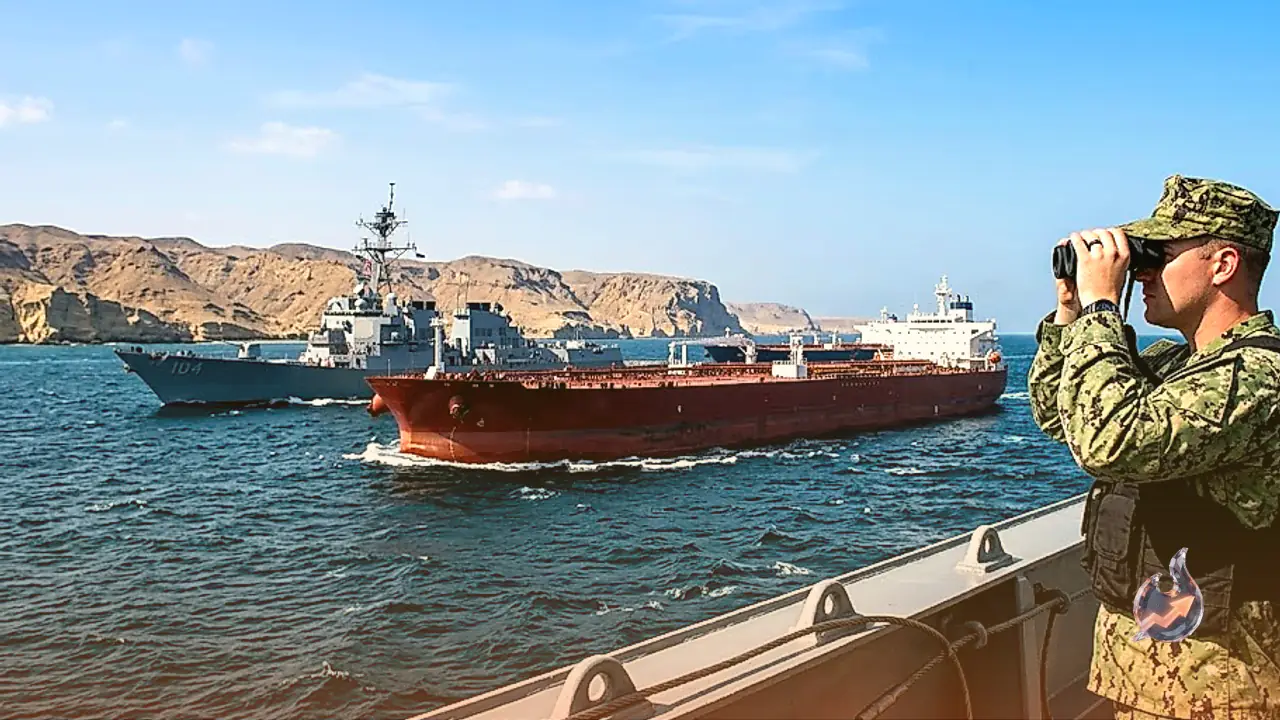
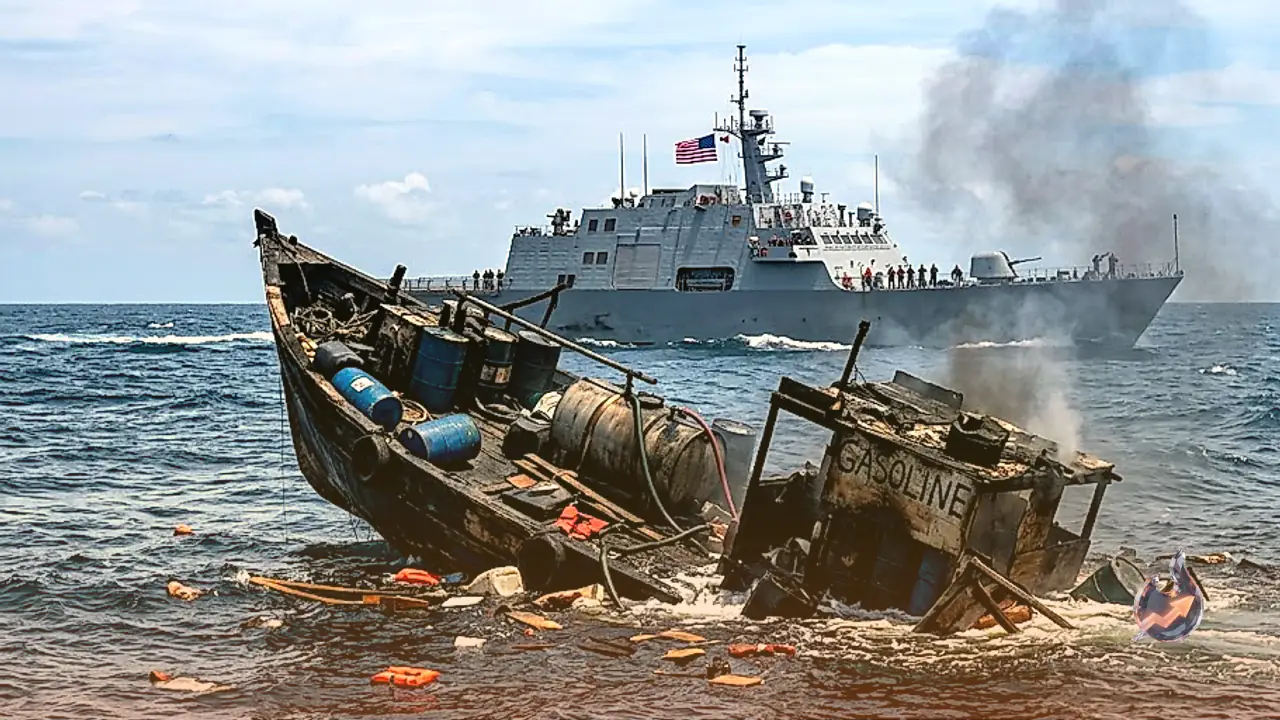
























The sudden collapse of the ceasefire agreement between the United States and Iran has sent immediate shockwaves through global energy markets, pushing the price of Brent crude oil past the critical threshold of $90 per barrel. As hostilities resume, the highly strategic Strait of Hormuz has been closed once again, effectively bottlenecking a massive portion of the world's daily oil supply. This maritime choke point is vital for international energy transportation, and its physical blockade has instantly reignited deep concerns about an impending spike in retail petrol and diesel prices worldwide.
Energy Markets React to Prolonged Conflict
The financial reaction was swift as the new trading week began. Brent crude experienced a sharp upward jolt, surging by 2.70 percent to reach $90.52 per barrel. Simultaneously, United States West Texas Intermediate (WTI) crude climbed by 2.27 percent, settling at $84.37 per barrel. This represents a dramatic reversal from the brief period of market optimism during the ceasefire, when Brent had dropped to a manageable $71 per barrel and WTI was trading at roughly $72 just last week. Market analysts observe that there is currently no visible prospect for peace returning to the Gulf region. Furthermore, extensive military preparations and deployments by the United States have convinced investors that this confrontation will be drawn out over a long period. Consequently, oil traders and commercial buyers are being forced to secure crude supplies at these elevated premium prices to hedge against the risk of even more severe shortages in the near future.
Compounding Threats to Global Supply Chains
The escalating situation in West Asia is not the only crisis rattling international commerce. In a separate geopolitical friction point, Western businesses across the United States and Europe are facing mounting threats from China, often referred to as the Dragon, where a single sweeping decision has jeopardized a massive 6.5 trillion dollar industry. When combined with the Middle Eastern instability, the global economic outlook appears increasingly fragile. Market experts and geopolitical analysts firmly believe that crude oil prices will not cool down until genuine peace is restored in West Asia and vital maritime shipping lanes are guaranteed to be safe. A prolonged closure of the Strait of Hormuz, coupled with a grinding war between Washington and Tehran, is expected to continuously fuel volatile price spikes in the energy sector.
The Looming Inflationary Crisis
If crude oil prices remain artificially inflated by conflict, governments and state oil companies will eventually have no choice but to pass the financial burden onto consumers by raising the retail rates for petrol and diesel. This creates a severe domino effect across the entire economy. The cost of commercial freight and logistics will soar, which directly increases the manufacturing and production costs for virtually all consumer companies. Ultimately, expensive transportation guarantees that the retail prices of food, groceries, and daily household essentials will climb rapidly. Controlling global inflation will become an exceptionally difficult task under these conditions. To prevent the economy from overheating due to this imported inflation, central banks will be compelled to keep their benchmark interest rates painfully high. This tight monetary policy, while necessary to fight rising consumer prices, carries the heavy risk of drastically slowing down the overall pace of global economic growth.