







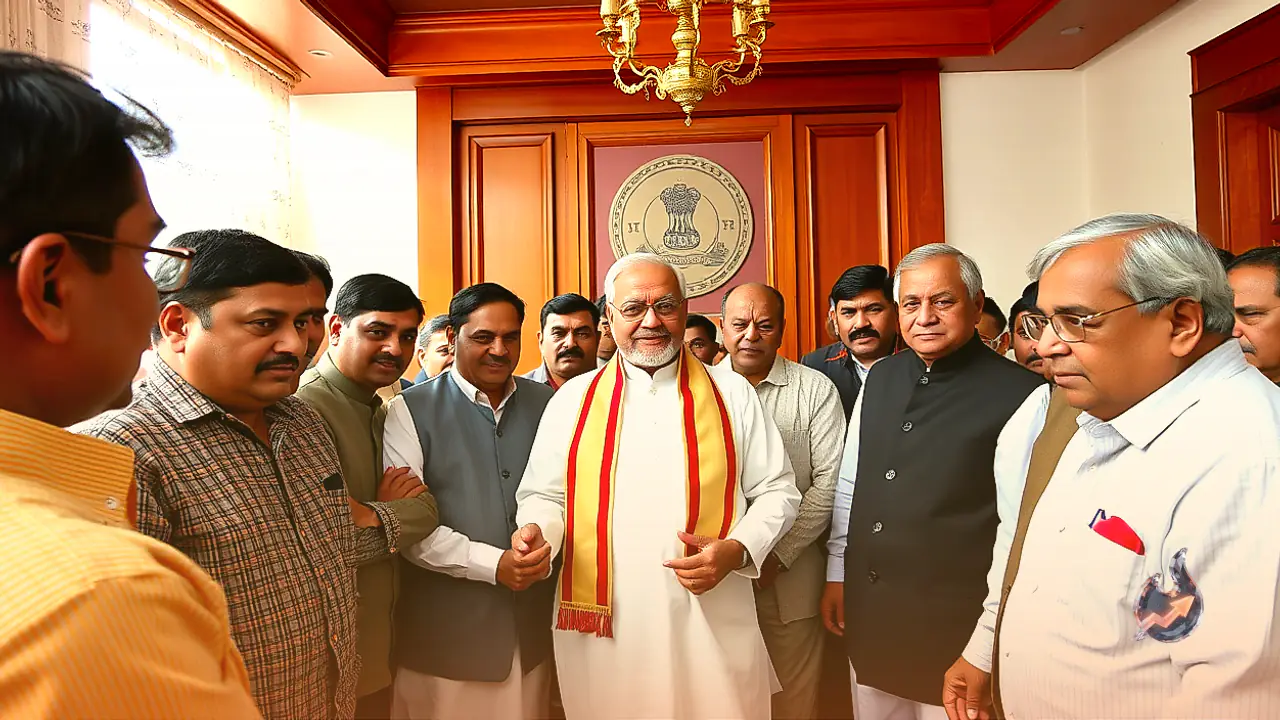















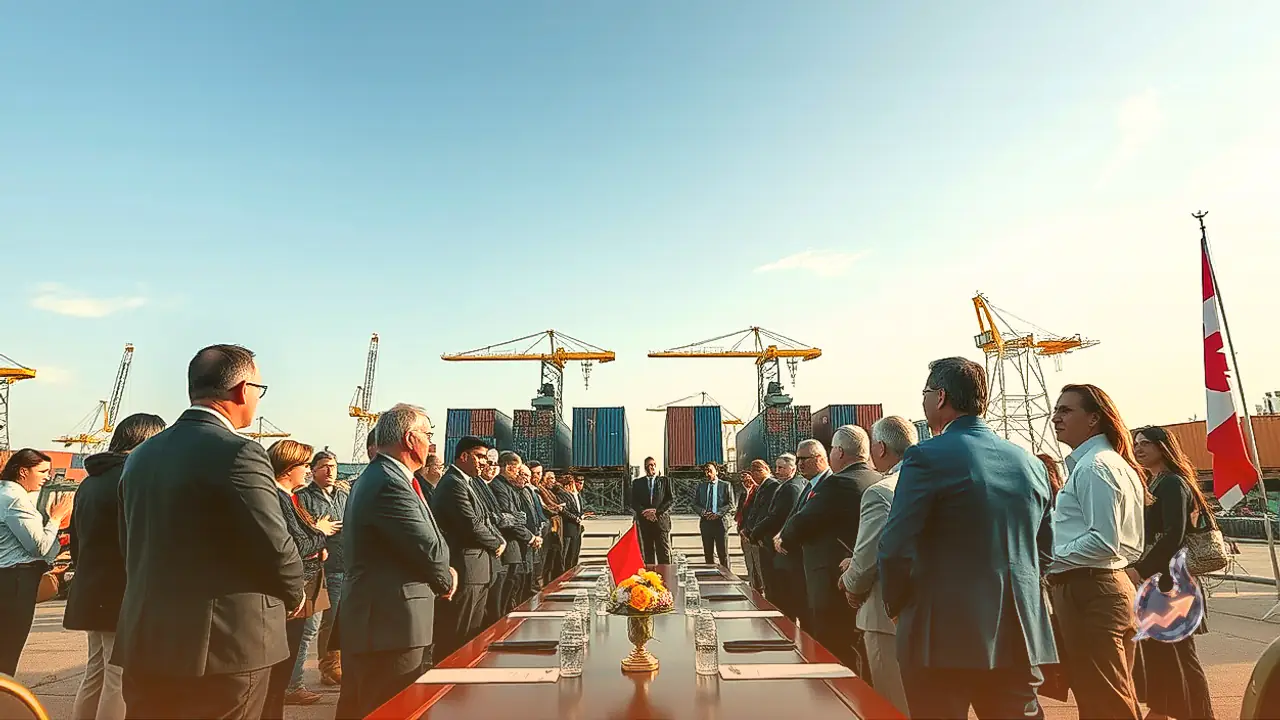

Trade ministers representing G20 member economies concluded their Thursday deliberations without securing any joint agreement to restrain excess industrial manufacturing and the influx of low-priced goods into international markets. The American administration maintained that the deliberate overproduction of goods abroad directly inflicts severe commercial harm on domestic factory floors and manufacturing workers. Speaking outside the conference chamber, US Trade Representative Jamieson Greer characterized the formal exchanges as constructive, even though delegates could not establish common ground on the persistent threat of manufacturing gluts.
US Challenges Partners Over Surplus Output and Inadequate Trade Remedies
American officials pressed other delegations on the practice of manufacturing goods in quantities far beyond actual domestic or foreign consumption needs. The administration stressed that such excessive output causes prices to collapse unnaturally and distorts the fundamentals of fair market competition. Jamieson Greer noted that nearly every participating nation acknowledged that this structural disruption demands urgent intervention. At the same time, he pointed out that existing trade remedies and defensive measures available under current international frameworks are completely inadequate to confront and resolve the worsening challenge.
Scrutiny Extends from China to a Broad Group of Trading Partners
While the administration of President Donald Trump identifies China as the single largest contributor to excess industrial capacity, its enforcement investigations now span across several continents, ranging from Norway to Bangladesh. American policymakers contend that beyond Chinese steel flooding global channels, multiple critical sectors are struggling with systemic surplus capacity, including the automobile market, advanced batteries, commercial paper, and semiconductor manufacturing. According to American trade officials, this broad imbalance leaves domestic producers at an acute disadvantage against international rivals.
Stalemate Deepens in Cross-Border Conflict Between US and Canada
The ministerial session convened in Milwaukee yielded no substantive breakthrough in cooling down the escalating trade dispute between the United States and Canada. Bilateral commercial relations have deteriorated steadily since the summer months. Tensions surged after Donald Trump imposed a 50 percent tariff on roughly 20 billion US dollars worth of Canadian imports, a drastic move that prompted Ottawa to immediately retaliate by applying counter-tariffs on select American merchandise.
Friction escalated even further this week when Donald Trump announced strict import bans on nearly one billion US dollars in Canadian goods, specifically targeting shipments of alcohol, dairy products, and motorcycles. Assessing the state of negotiations, Jamieson Greer said, "The reality is that there are still some pending issues that are very difficult to resolve." Offering a cooperative approach from Ottawa, Canadian Trade Minister Maninder Sidhu urged partnership over confrontation, saying, "You are facing some of the same challenges that we face. Let us help each other and solve this together."
Disagreement Over Curbing Forced-Labor Imports Leaves Forum Divided
Discussions among the trade ministers also hit an impasse on establishing multilateral restrictions against goods produced using forced labor. Jamieson Greer voiced sharp frustration regarding the refusal of certain governments to take a clear, binding stand on the matter. Greer said, "It is hard to believe, but there are countries in the G20 that do not want to commit to stopping imports made with forced labor." He stated firmly that everyone recognizes forced labor is entirely wrong, warning that permitting such goods degrades fair domestic markets and that the administration has no intention of allowing it to happen.