






















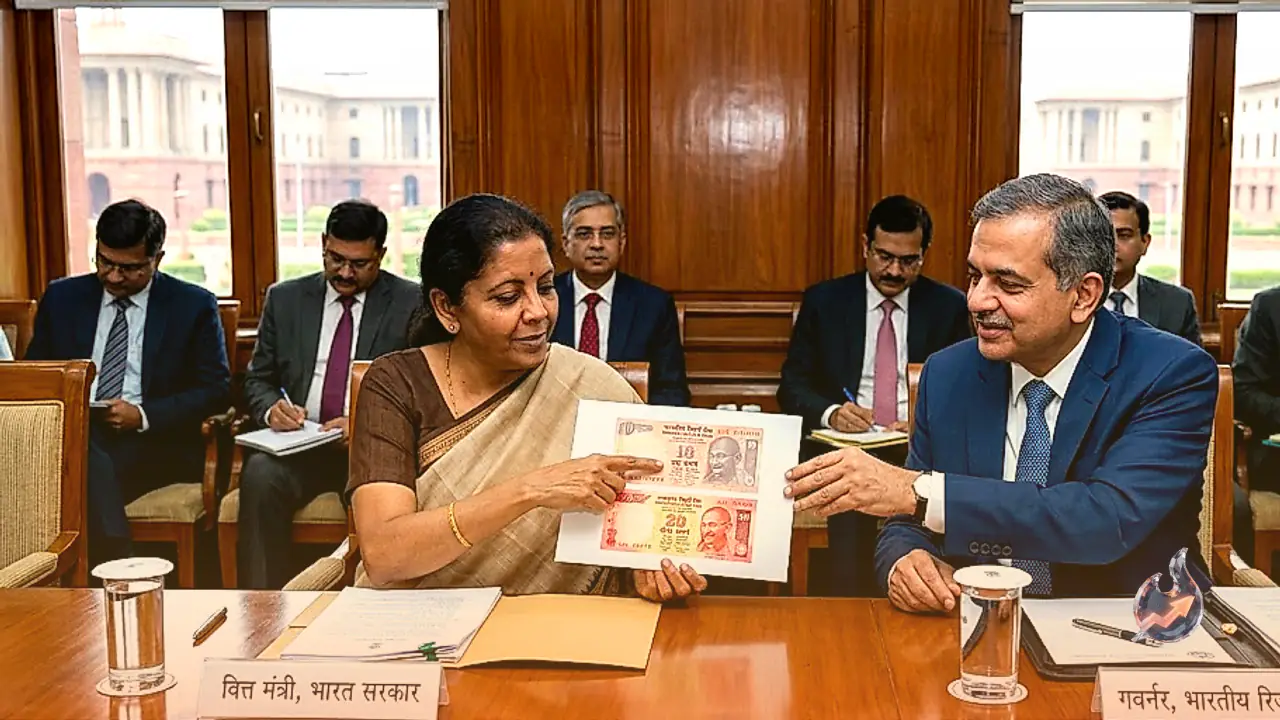

Plastic banknotes of Rs 10 and Rs 20 denominations may soon be seen in daily transactions across India. The central government has granted formal approval to a proposal submitted by the Reserve Bank of India (RBI) to conduct nationwide field trials for polymer currency notes. Minister of State for Finance Pankaj Chaudhary confirmed this development through a written reply in the Lok Sabha. The primary objective of this experimental initiative is to evaluate the durability, performance, and operational feasibility of polymer notes under diverse Indian climatic and usage conditions.
Why Test Polymer Notes for Rs 10 and Rs 20 Denominations?
According to the central bank, smaller denomination currency notes like Rs 10 and Rs 20 experience the highest frequency of circulation in everyday commerce. Owing to constant handling, folding, exposure to moisture, and dust, standard paper banknotes tend to soil and deteriorate rapidly. Consequently, the RBI faces a continuous burden of withdrawing damaged notes from circulation and printing fresh ones, incurring substantial costs. Polymer banknotes possess a significantly longer lifespan compared to traditional cotton paper notes. Through these field trials, the RBI will print and distribute a large volume of polymer notes across various regions to assess their physical resilience in real-world environments.
Impact on Existing Paper Banknotes
Addressing potential public confusion, the government clarified that the introduction of polymer notes for testing will not disrupt the status of current paper currency. The existing paper notes of Rs 10 and Rs 20 will remain valid legal tender and will circulate simultaneously alongside the new polymer notes. There is no proposal currently under consideration to phase out or withdraw paper banknotes. A definitive decision regarding the large-scale production and broader rollout of plastic currency will only be taken after analyzing the comprehensive results of these field trials.
Enhanced Counterfeit Protection and Security Features
Beyond longevity, strengthening anti-counterfeiting measures is a key advantage of switching to polymer substrates. The RBI highlighted that incorporating sophisticated security components onto polymer material is far more effective. These include transparent windows, intricate security threads, and other advanced covert and overt security elements. Implementing such high-tech security attributes makes replicating or forging plastic banknotes extremely difficult for counterfeiters.
Future of Cash Alongside Digital Payments
In response to queries about whether polymer notes could influence the rapid adoption of digital transactions in India, the Minister of State for Finance noted that it is premature to draw any definitive conclusions at this stage. The RBI maintains that cash transactions and digital payment systems are complementary to each other rather than competing forces, and both will continue to co-exist harmoniously in the country's economic ecosystem.