




















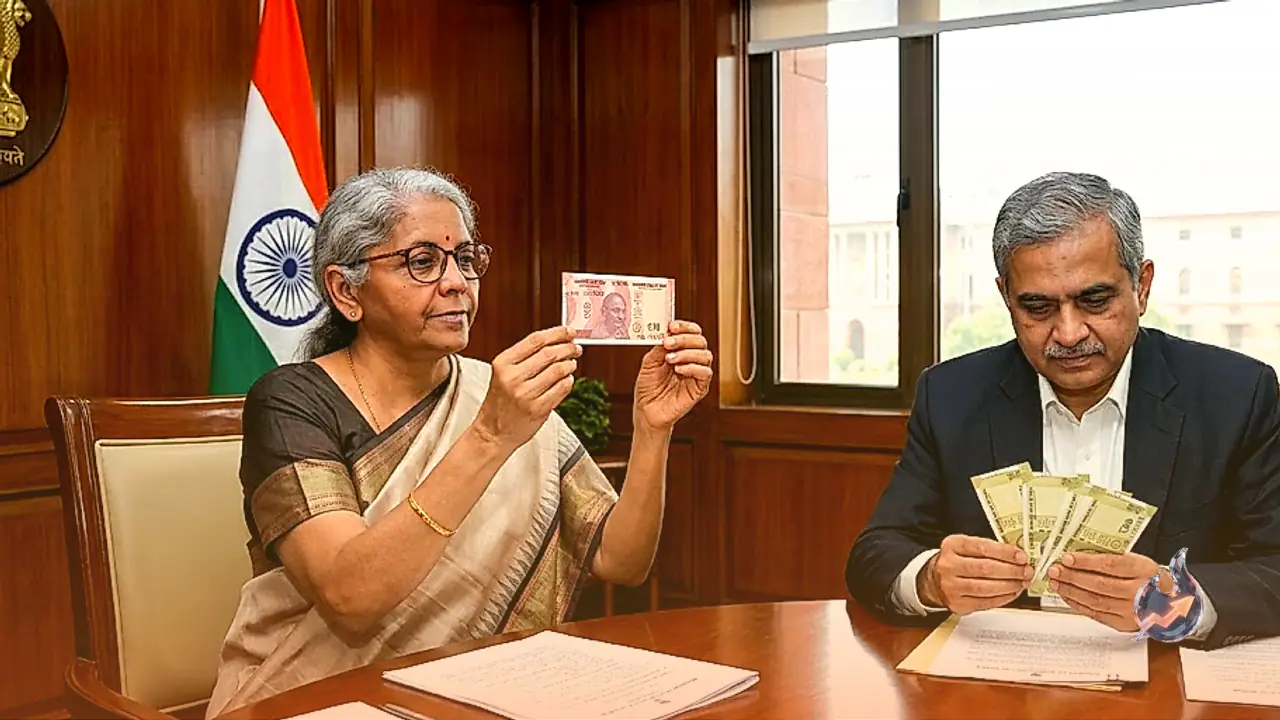

India is inching closer to putting plastic money in the hands of ordinary shoppers. The central government has cleared a proposal to run field trials of polymer banknotes in the Rs 10 and Rs 20 denominations, a move that could reshape the everyday cash Indians carry in their wallets.
The Finance Ministry conveyed the decision to Parliament on Monday, July 27. The green light comes months after Reserve Bank of India Governor Sanjay Malhotra publicly signalled that the idea of circulating plastic notes was being weighed.
What the RBI has proposed
Acting on the recommendation of its Central Board, the Reserve Bank of India has proposed printing one billion pieces each of the Rs 10 and Rs 20 polymer banknotes purely for the trial run. The plan does not stop at testing. If the field trials succeed, the proposal envisions regular, ongoing issuance of polymer notes in these two denominations.
Importantly, the exercise is still at an early, exploratory stage. Officials have described the discussions around plastic currency as nascent, meaning nothing has been finalised for a nationwide rollout yet.
Paper notes are not going anywhere
Anyone worried that their familiar paper rupees will suddenly disappear can relax. The government is not planning to swap out paper currency entirely. The polymer Rs 10 and Rs 20 notes are meant to circulate side by side with the existing paper notes, not replace them.
A second attempt after 2014
This is not the first time India has flirted with plastic money. The government had lined up polymer note trials back in 2014, but that plan never got off the ground. At the time, the idea was to test one billion Rs 10 notes across five cities, Kochi, Mysore, Jaipur, Shimla and Bhubaneshwar. That trial was eventually shelved, and the concept went quiet for years before resurfacing now.
Why polymer, and what it actually is
Polymer notes are built from a thin plastic film rather than the cotton based paper used for traditional cash. Despite the different material, they behave much like paper money and stay just as flexible in the hand. Their big advantage is durability. They shrug off dirt, moisture and tearing, and as a result they last far longer in circulation than paper notes. They also come loaded with stronger security features that make them harder to counterfeit. The RBI has pointed to this significantly longer lifespan as a key reason to consider the switch.
The Governor's earlier hints
The push had been building for a while. In June, Governor Sanjay Malhotra told reporters that the central bank was looking at introducing polymer currency in a phased manner. On June 5 he stressed that the proposal to bring plastic notes into circulation was still at a very initial stage, tempering expectations of any quick change.
Why small notes still matter
Even as a large chunk of the Indian population has moved fully to digital payments, cash is far from dead, especially at the lower end. Demand has actually risen for smaller denomination notes such as Rs 20 and Rs 50, and appetite for Rs 10 notes remains strong. That is precisely why the trial targets the Rs 10 and Rs 20 notes, the workhorses of daily street level transactions.
The numbers underline how much physical money still circulates. Currency in circulation climbed 11.5 per cent over the past year, hitting a record Rs 42.86 trillion. That figure was recorded on May 15. Against this backdrop, longer lasting notes could save the system significant printing and replacement costs over time. When and where the trial will take place is still to be worked out, but a different kind of note could soon be heading for your pocket.