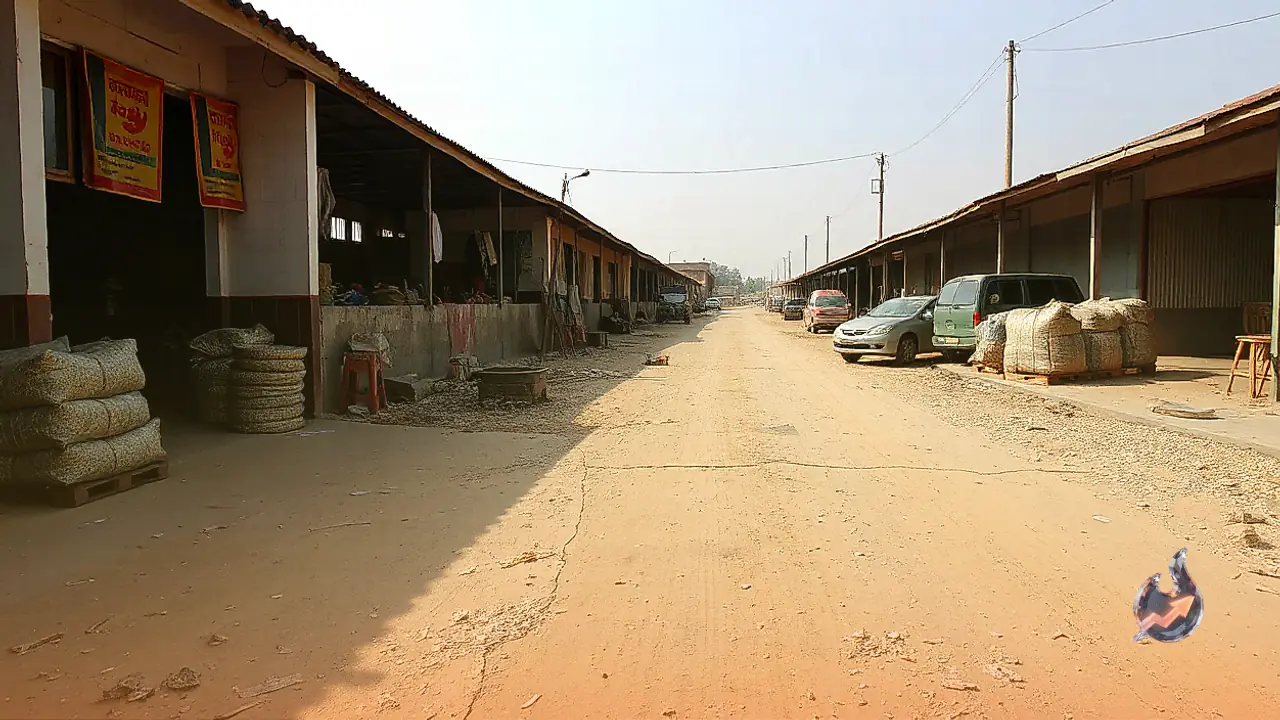




















Food inflation concerns are gripping domestic markets once again as the threat of surging rice prices looms large across the country. Staple food items like daily meals and biryani are on track to become significantly more expensive for households in the near future. Taking prompt notice of the situation, authorities have formulated an expansive strategy to rein in these escalating costs by injecting massive amounts of grain directly into the open market.
Target Doubled for Open Market Sale
In a bid to shield everyday consumers from severe price hikes, the government has substantially increased the volume of rice slated for distribution through open market channels during the current fiscal year. While private traders were originally allotted a target of roughly 25 lakh tonnes for the 2026-27 period, that specific figure has now been doubled to 50 lakh tonnes to ease the mounting pressure on retail rates.
Anticipated Drop in Crop Yield
Industry experts and trade officials point out that an expected contraction in overall rice production is being projected for the first time in ten years. Analysts suggest this could mark the most significant decline witnessed over the past two decades. The primary catalyst behind this shortfall was excessive rainfall across major parts of the country precisely when the crops were maturing, which severely damaged the harvest right ahead of collection.
Strict Inventory Limits and Distribution
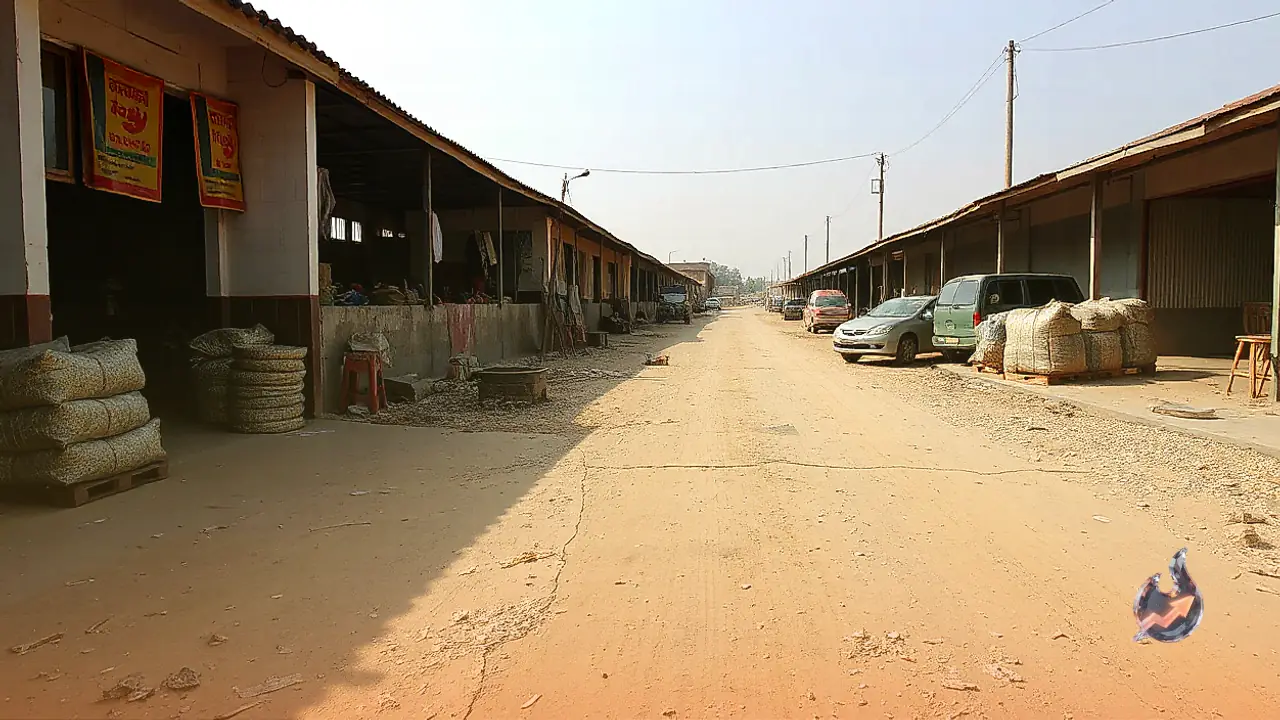
To counter potential shortages, preparations are underway to release large quantities of grain from Food Corporation of India warehouses straight into the commercial supply chain. Furthermore, to guarantee adequate supply and prevent illegal hoarding, the administration has officially mandated strict stock limits on both rice and paddy until January 31, 2027, specifically targeting southern states including Andhra Pradesh, Karnataka, Kerala, Tamil Nadu, and Telangana.
Monsoon Deficits and Export Context
India stands globally as the largest producer and a leading exporter of rice, making these domestic developments critical. Agricultural output took a major hit this season due to monsoon rainfall remaining about 13 percent below normal levels, compounded by unseasonal downpours during the harvesting phase. The administration's current priority centers on stabilizing supply chains and cracking down firmly on speculative black-marketing and excessive stockpiling.