







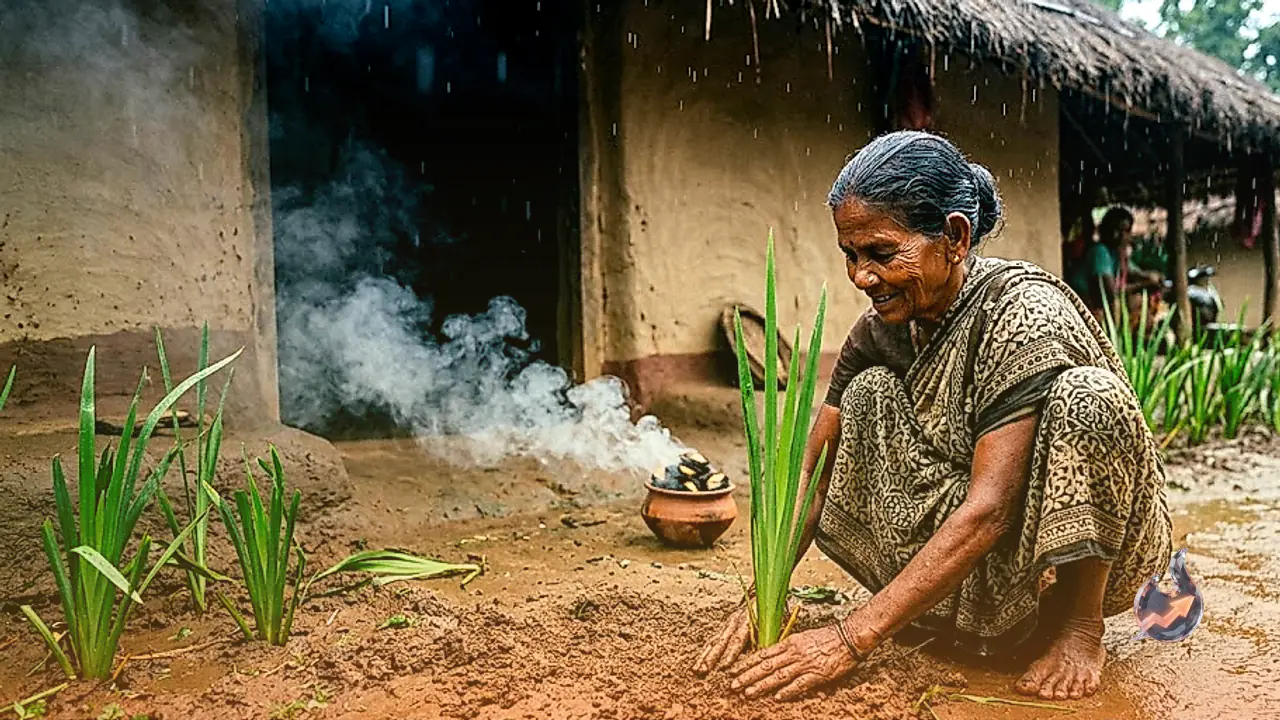















The shifting patterns of global weather have transformed traditional agriculture into a highly vulnerable enterprise. Periods of scorching, relentless heat, unexpected torrential downpours, and unseasonal bitter cold waves have created an unpredictable environment for cultivators. These natural disruptions have been particularly devastating for farmers who rely on sensitive horticulture and vegetable crops, where even a minor weather anomaly can wipe out an entire season's investment and hard work. To combat this escalating crisis, the protected cultivation scheme introduced by the Haryana government has emerged as a crucial lifeline. In the Ambala district, a growing number of farmers are moving away from conventional open-field agriculture to embrace modern innovations like net house and poly house farming. This technological shift is not merely shielding their harvests; it is paving the way for a more stable and lucrative agricultural future.
Creating a Controlled Micro-Climate
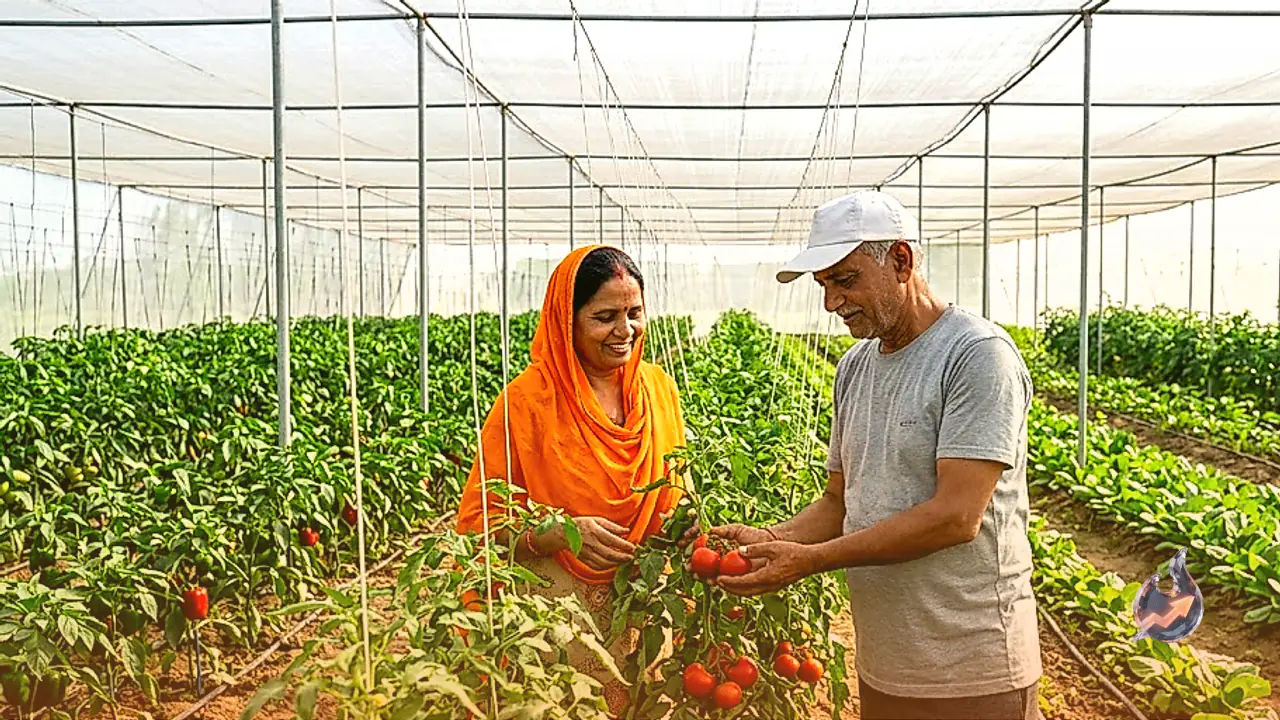
According to Satyanarayan, the District Horticulture Officer in Ambala, net house farming equips farmers with the ability to create a finely controlled micro-climate tailored to the specific needs of their crops. The physical structure of a net house significantly diffuses the harshness of the external environment. Whether the outside world is experiencing blistering sunshine, heavy rainfall, destructive hail, or freezing temperatures, the plants inside remain well-protected. The specialized netting regulates the entry of sunlight and maintains optimal internal humidity. Because of this protective shield, the vegetables and fruits grown inside develop a superior quality. Their enhanced colour, uniform size, and better taste allow these agricultural products to fetch premium prices in commercial markets, directly boosting the farmer's profit margins compared to standard crops.
Government Subsidies Halving Initial Costs
One of the most significant barriers to adopting modern agricultural technology is the steep initial capital required for infrastructure. Acknowledging this hurdle, the state government is providing a massive subsidy of up to 50 percent for the installation of net houses. Under the current policy framework, a single farming family can claim this financial assistance for a maximum land area of one acre. Breaking down the financial mathematics, officials noted that constructing a standard net house over one acre of land costs approximately 28 lakh rupees. Out of this total expenditure, the government provides a direct subsidy amounting to around 14 lakh rupees. This substantial financial backing effectively halves the upfront investment burden, making it highly feasible for small and marginal farmers to upgrade their farming methods without falling into massive debt.
Optimal Timing and High-Value Crops
Horticulture experts strongly recommend the months of July and August as the most optimal window for erecting a net house structure. Completing the construction during the monsoon allows farmers to perfectly time their operations for safely planting and cultivating the lucrative winter crop cycle. The protected environment is best utilized for high-value commercial crops rather than traditional staples. Farmers typically focus on cultivating premium varieties of tomatoes, hybrid cucumbers, vibrantly coloured capsicums, various creeping vine vegetables, and exotic decorative flowers. Thanks to the precisely regulated temperature and moisture levels, the vegetative growth is accelerated, and the overall yield per square meter is exponentially higher than what could ever be achieved in open-field farming.
Drip Irrigation Conserving Water and Resources
Beyond weather protection, a fundamental advantage of the net house system is its profound impact on water conservation. Cultivation within these structures relies entirely on advanced drip irrigation technology. This method delivers water directly to the root zones of individual plants drop by drop, essentially reducing water wastage to zero and ensuring that crops receive only the precise amount of moisture they require. Furthermore, the tightly woven walls of the net house act as a physical barrier against external pests, insects, and airborne diseases. As a result, the necessity for spraying expensive chemical fertilizers and toxic pesticides drops dramatically. This sharp reduction in chemical inputs not only slashes the overall production costs but also yields cleaner, healthier, and more environmentally friendly produce.
Navigating the Application Process
For cultivators eager to take advantage of this lucrative government initiative, a clear and streamlined bureaucratic process has been established. Initially, an interested farmer must formally register their agricultural land and the specific crops they intend to grow on the Haryana government's official Meri Fasal Mera Byora (MFMB) digital portal. Once the foundational registration is complete, the applicant must select either the Protected Cultivation or the Net House Subsidy Scheme option to file their primary request.
The application must be supported by a set of mandatory documents. These include a copy of the farmer's Aadhaar card, a bank account passbook for direct benefit transfers, a recent passport-size photograph, the latest Jamabandi official land ownership records, and certified soil and water testing reports from an authorized laboratory. Following the successful submission of the application, officials from the horticulture department conduct a thorough physical inspection of the proposed site. Once the departmental approval is officially granted, the farmer is cleared to commence the construction of the net house. In an era of shrinking arable land and mounting climate risks, this scheme stands as a vital tool for maximizing agricultural output and securing long-term economic stability for the farming community.