
















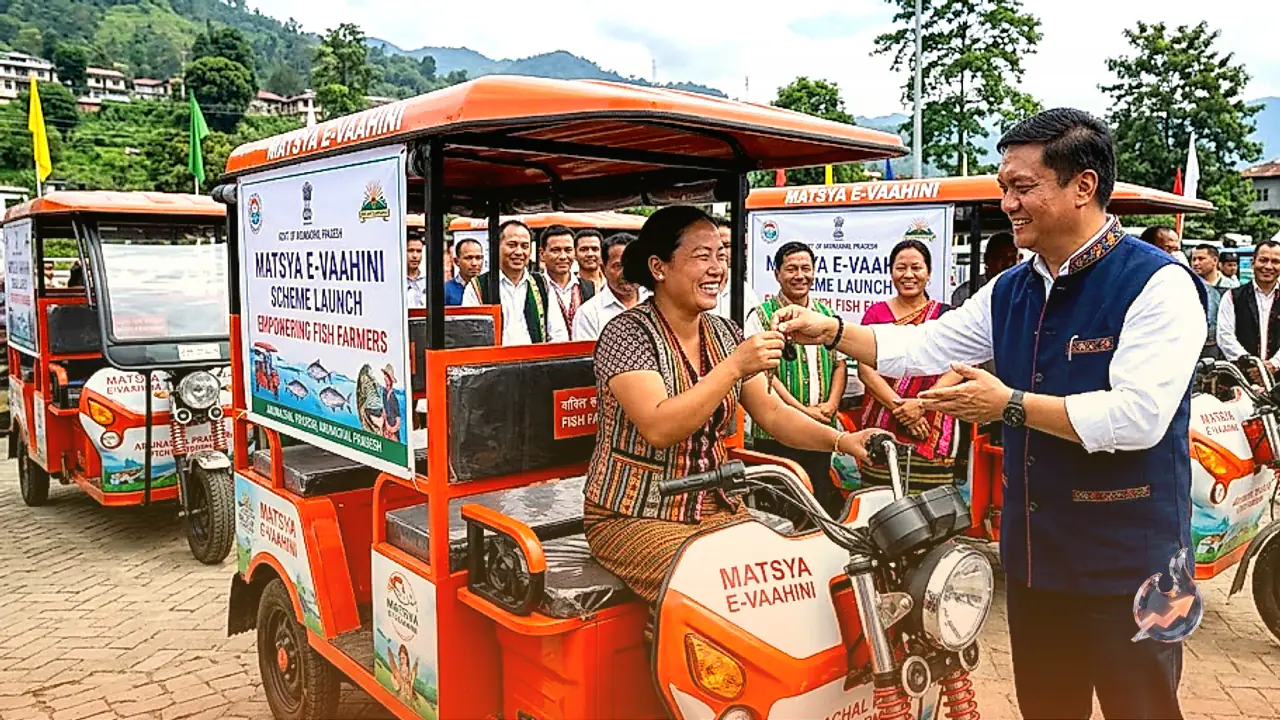

Fish farmers across Arunachal Pradesh have a new mode of transport to lean on, after Chief Minister Pema Khandu launched a fleet of electric autorickshaws under a scheme called Matsya e-Vaahini during an event in Naharlagun on Monday. The programme targets a problem that has long squeezed farmers' earnings: getting fresh catch to buyers who will pay a fair price before the produce loses value in transit.
Why the state introduced e-rickshaws for fish farmers
Moving fish from ponds and farms to markets has traditionally meant relying on costly or unreliable transport, which often forced farmers to sell quickly and cheaply to whoever was nearest, usually a middleman. The Matsya e-Vaahini vehicles are meant to change that equation by giving farmers their own affordable, battery powered transport option, so they can carry their catch further, choose where to sell it, and negotiate from a stronger position.
What the eco-friendly vehicles are expected to change
According to the state government, the electric rickshaws will let fish farmers explore markets beyond their immediate area, sell straight to consumers instead of only to traders, and cut their dependence on middlemen who typically take a cut of the sale price. Officials said the combination of better transport and direct access to buyers should help farmers work around logistical hurdles and hold out for better prices for their produce, while the shift to eco-friendly vehicles is also expected to make fisheries-related transport cleaner and more sustainable.
Khandu's message on the launch
Announcing the initiative on X, Khandu wrote, "Launched the Matsya e-Vaahini and e-Rickshaw Initiative to give our fish farmers better access to markets and stronger opportunities to grow their incomes."
Twelve farmers honoured at the launch event
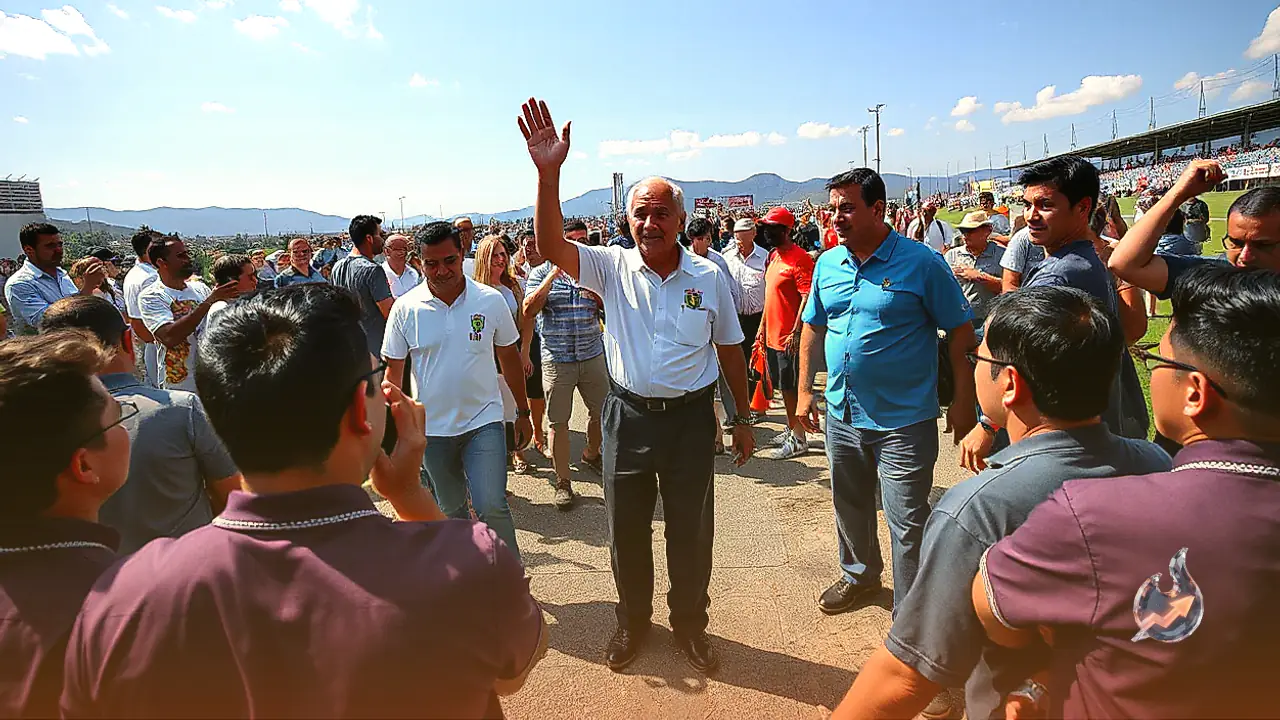
The Naharlagun event also featured the felicitation of 12 progressive fish farmers, recognised for their hard work, innovation and adoption of modern fish farming practices. Officials said their example could encourage other farmers in the state to take up similar methods and technologies in their own operations.
A new hub for farmers opens the same day
On the same day, Khandu also inaugurated the State Agriculture Information Hub-cum-Farmers' Hostel in Naharlagun. The facility is meant to function as a support centre where farmers can access agricultural information along with other related facilities, giving them a dedicated space to seek guidance when they visit the town.
Part of a wider push to modernise aquaculture
Both launches fall under the state government's broader push to modernise agriculture and aquaculture and to widen income opportunities for farmers across Arunachal Pradesh. The Matsya e-Vaahini programme itself is structured as a welfare and self-employment scheme, bringing in eco-friendly mobile fish vending kiosks alongside the electric autorickshaws to strengthen how fish is marketed and distributed in the state. Officials described the transport and marketing upgrades as a way to connect producers more directly with consumers and improve the fisheries value chain overall, alongside the new information hub, as part of a broader effort to build stronger support systems for rural livelihoods.