






















Sweets are an integral part of every celebration, festival, wedding season, and family gathering across the country. The massive demand for confectioneries during various events creates robust earning potential for entrepreneurs entering this sector. According to industry insights, this is a unique venture where business owners can secure up to fifty percent profit margins with proper planning. However, stepping into the confectionery trade requires careful attention to specific operational details to eliminate the risk of losses and maximize overall profitability over the long run.
Choosing The Right Location Matters Most
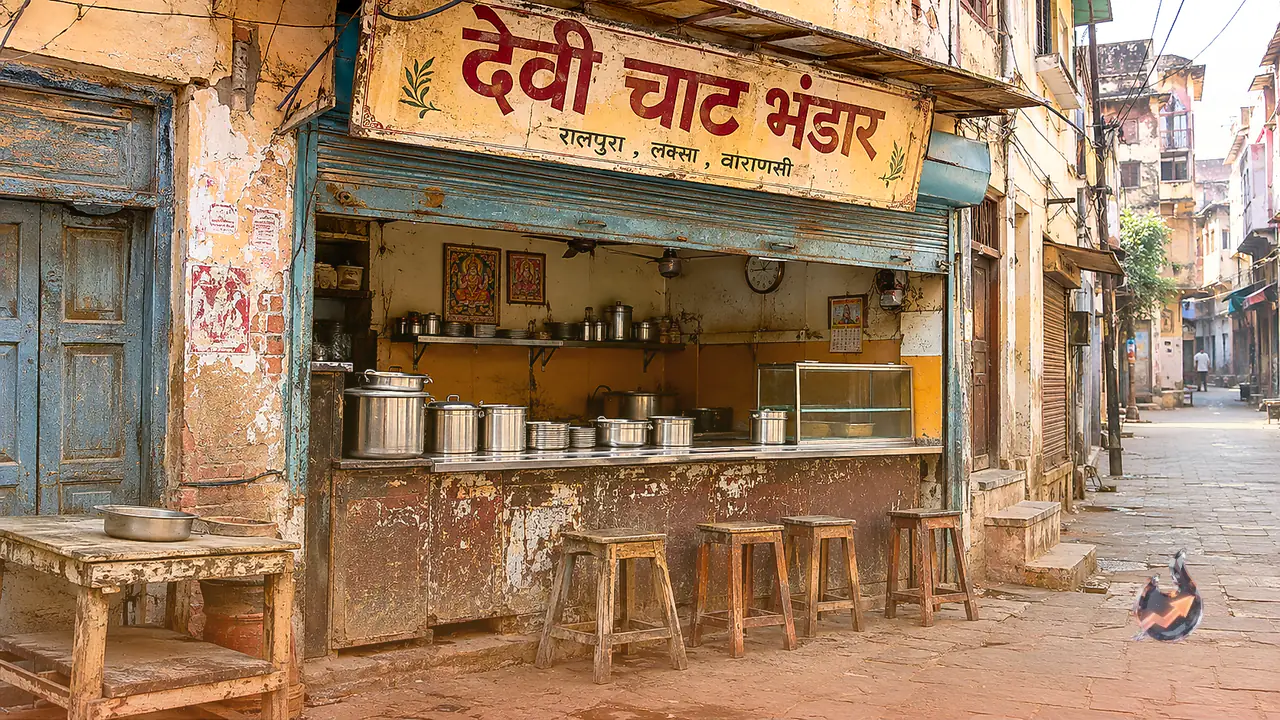
Amit Kumar, a successful sweet shop owner operating in Jamui, emphasizes that selecting the correct site forms the absolute foundation of setting up a confectionery business. Amit explains that aspiring entrepreneurs should prioritize scouting locations situated right inside main market areas. Although commercial spaces in such prime zones often command higher rental costs, running a sweet shop in high-footfall areas ultimately yields significantly better financial returns. Alternatively, business owners can also set up their shops near railway stations, bus stands, auto stands, or any transit-heavy zones where daily commuter traffic remains high, as these spots naturally drive strong customer volume and steady daily revenue.
Prioritize Practical Space Over Large Storefronts
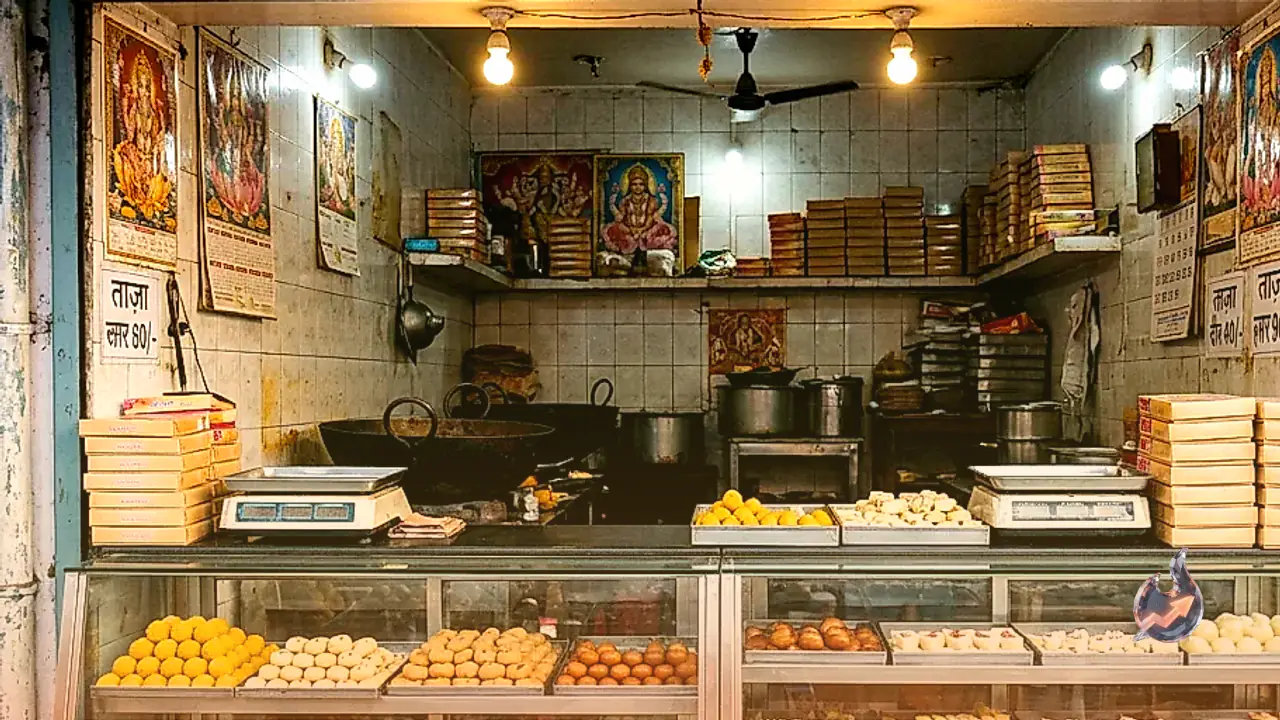
Many first-time business owners mistakenly assume they need an expansive commercial hall to launch a sweet shop, but Amit points out that the operation can comfortably begin in a compact space measuring just 200 to 300 square feet. Such an area easily accommodates a proper display counter for showcasing sweets alongside a clean, hygienic kitchen space dedicated to preparation. Alongside space management, completing all mandatory legal formalities prior to opening is non-negotiable for building customer trust and avoiding future hurdles. Entrepreneurs must first secure an FSSAI license from the food safety department, followed by shop and establishment registration, a local body health trade license, and a fire safety NOC wherever applicable. Completing these regulatory steps protects the business from sudden disruptions and reassures buyers regarding food standards.
Quality And Purity Drive Customer Loyalty
Taste and absolute purity remain the two ultimate pillars determining success in any food-related retail business. Amit highlights that exceptional flavor will naturally compel customers to return to your shop repeatedly, while unwavering commitment to purity acts as an organic magnet for new buyers. Failing to maintain high standards of cleanliness inside the premises will immediately alienate patrons and eventually dent business growth. Furthermore, Amit advises that store owners should ideally possess hands-on knowledge of confectionery preparation or master artisan skills themselves. This direct involvement not only boosts profit margins by cutting labor dependency but also ensures that the shop never has to shut its doors if external confectioners suddenly go on leave or quit their jobs. Since labor shortage and sudden worker absenteeism frequently disrupt sweet shop operations, keeping these practical guidelines in mind guarantees smooth, long-term business continuity.