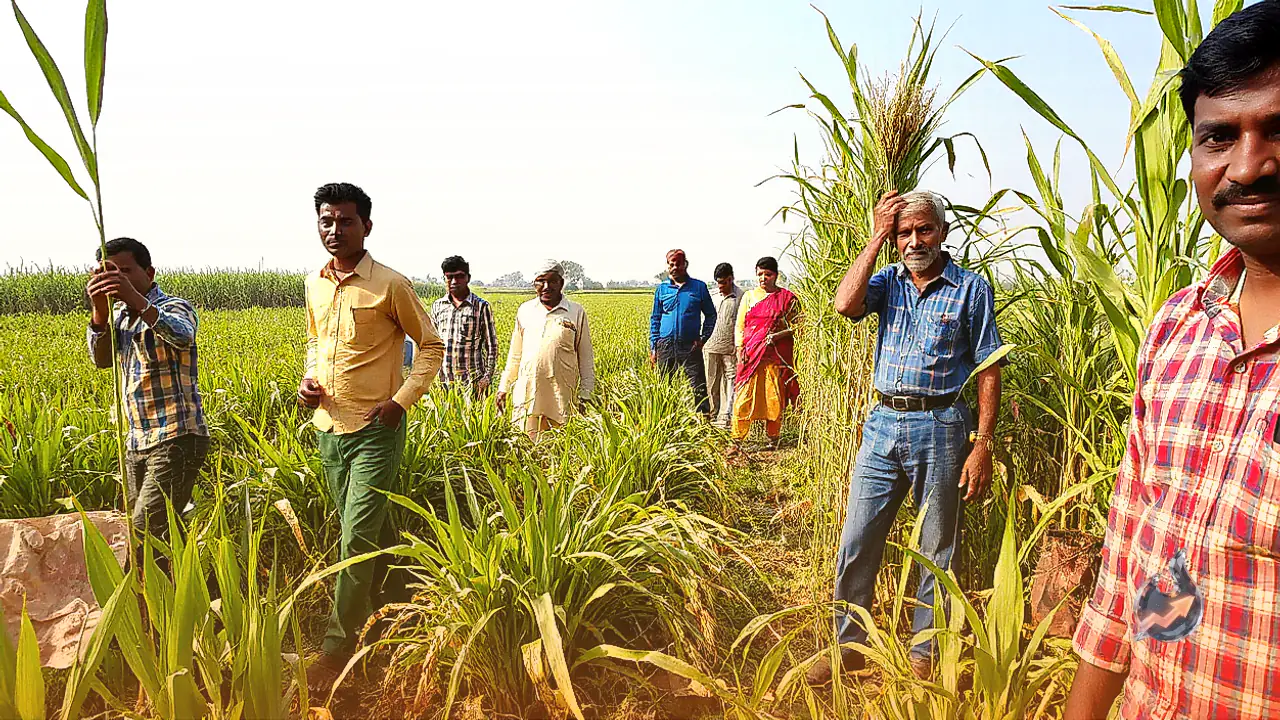





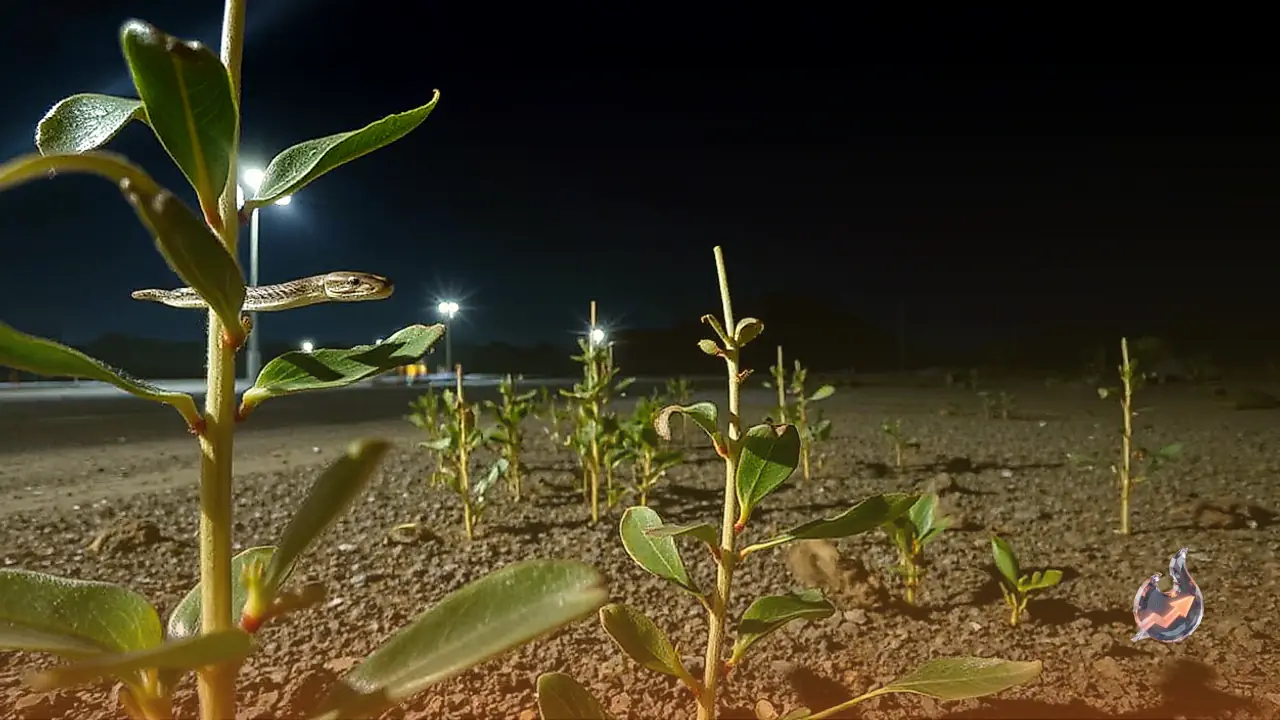

















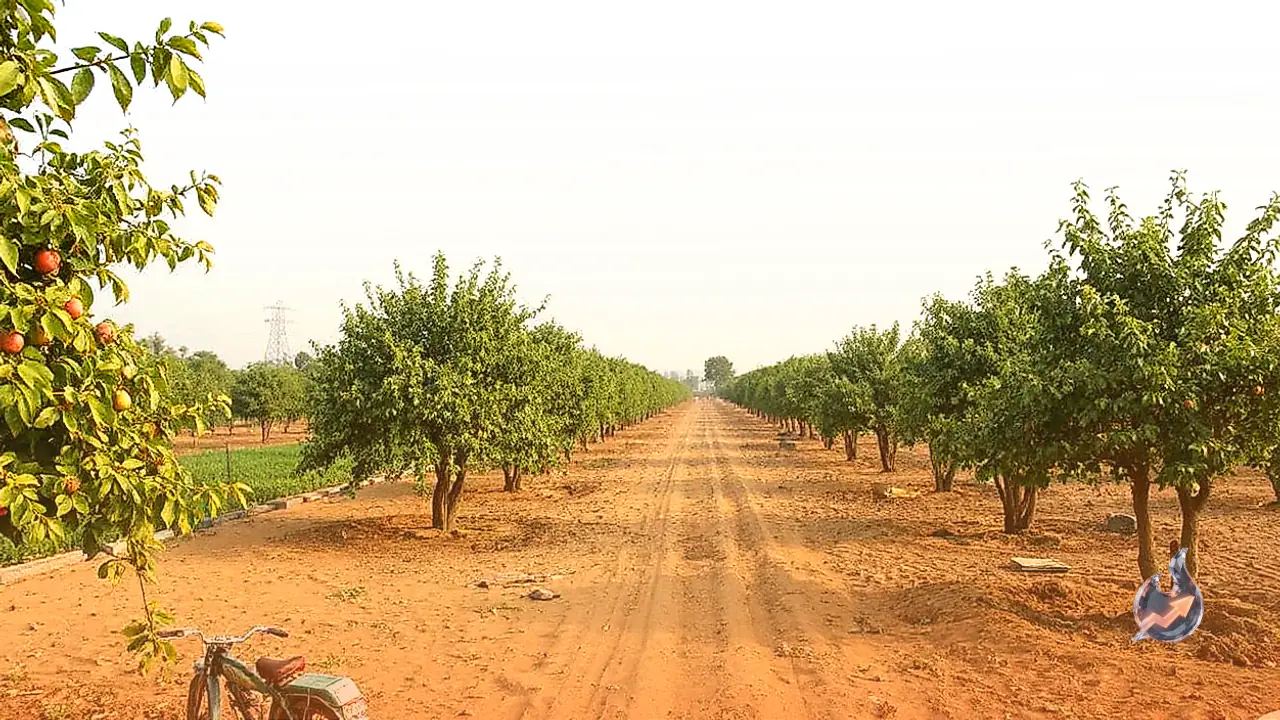

Farmers looking to move beyond traditional crop cycles can significantly boost their earnings by embracing horticulture and commercial tree cultivation. Growing fruit-bearing plants such as guava, papaya, lemon, pomegranate, and drumstick offers a lucrative alternative for agricultural income in Moradabad. The major advantage of horticulture is that once the initial investment in planting and early care is made, farmers continue to reap production for numerous years without the hassle of sowing every single season. By selecting the right varieties, maintaining proper spacing, ensuring timely irrigation, applying fertilizers, and carrying out periodic pruning, farmers can generate substantial profits even from limited plots of land.
Expert Insights on Choosing the Right Fruit Varieties
Agricultural scientist Dr. Deepak Mehandi Ratta explained that horticulture opens up a vast array of productive farming options. Depending on the orchard goals, several fruit types can be successfully cultivated, including guava and dragon fruit, which begin bearing fruit quite rapidly. When it comes to guava cultivation, varieties like the golden variety and the Taiwan pink variety are considered the best choices for growers. He noted that crop selection should always depend on the natural properties of the soil, though dragon fruit has the unique advantage of adapting well to almost any type of land.
Soil Requirements and Quick-Yielding Crops
Orchard crops thrive best in fields where water does not get stagnant or waterlogged. Sandy loam and loam soils are exceptionally well-suited for supporting all kinds of fruit trees. For farmers eager to secure a faster return on investment, guava and dragon fruit are ideal options because they mature quickly. Guava trees start producing fruit within one to one and a half years of planting, while dragon fruit yields results in roughly one and a half to two years. Dragon fruit can be cultivated using specific methods, either by installing individual poles or by setting up supporting structures with stems placed on top.
Cultivation Timeline and Proper Field Selection
Utilizing proper techniques for dragon fruit cultivation helps lower expenses while ensuring a robust harvest. Farmers can plant dragon fruit during the months of February and March, allowing the crop to begin bearing fruit within a year and a half as the plants develop along the support poles. Several other fruit varieties can similarly be grown with great ease once the foundational step of proper land selection is completed. It is vital to choose a plot where water never accumulates, as good drainage is essential for cultivating diverse fruit crops successfully.