





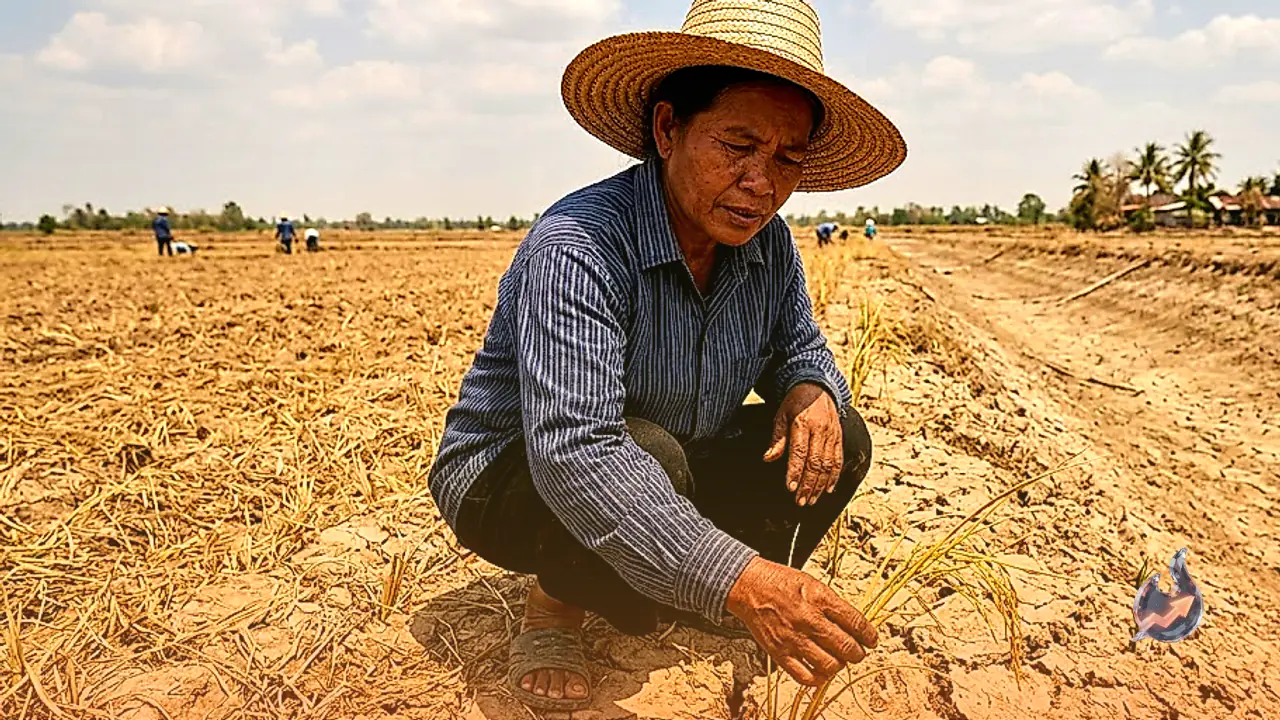

















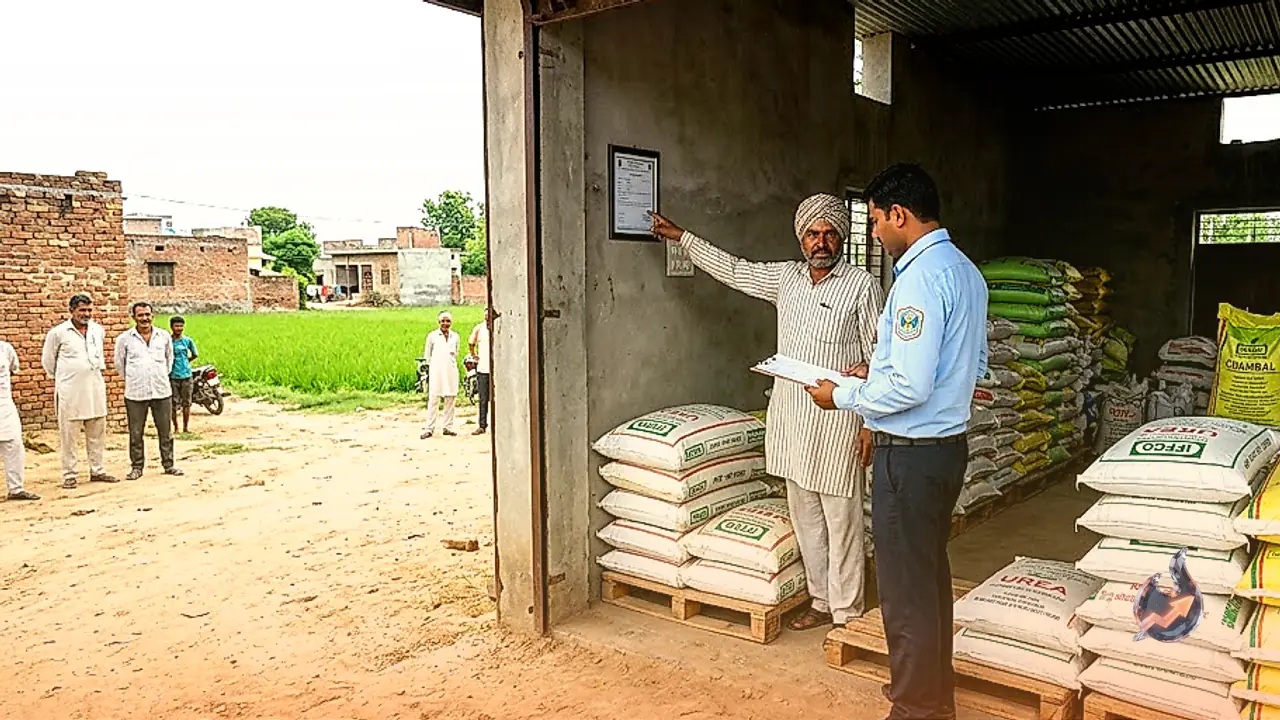

For residents and farmers who possess private land in rural areas, establishing a fertilizer retail shop presents a reliable pathway to generate secondary household income alongside regular farming operations. In agricultural belts, every cropping cycle creates recurring requirements for various soil nutrients and fertilizers, ensuring that market demand remains steady across distinct agricultural seasons. Operating on self-owned premises delivers a significant financial advantage by eliminating recurring rental overheads. However, initiating this venture requires strict adherence to regulatory protocols and licensing standards. Commercial distribution of chemical and organic fertilizers cannot commence without obtaining explicit statutory permission from competent authorities.
Evaluating Regional Cropping Patterns and Nutrient Requirements
Possessing vacant land is merely the foundation; commercial viability requires an in-depth understanding of the local agricultural landscape. Before ordering inventory, entrepreneurs must interact with neighboring cultivators to map out dominant local crops and determine precisely which fertilizers witness maximum consumption during sowing and growth phases. This preliminary field survey prevents capital from being locked up in slow-moving or unneeded formulations. When cultivators receive required nutrients locally and punctually, they are spared the time and transportation expenses of traveling to distant urban markets. Aligning inventory with documented agricultural demand establishes a mutually beneficial relationship between rural store owners and local farming communities.
Securing Statutory Retail Licenses from the Agriculture Department
Once local agronomic requirements are identified, the most critical legal milestone is securing an official fertilizer retail license. In accordance with statutory regulations governing agricultural inputs, unauthorized sale of fertilizers is illegal. Prospective retailers must submit a formal application to the district agriculture department. Many regional authorities now facilitate this licensing procedure through dedicated online portals, while physical application routes remain operational in several administrative zones. The licensing authority conducts thorough background checks on applicant credentials and proposed operating premises. Commercial sales must only begin after receiving the official license certificate, as trading without proper paperwork invites regulatory penalties.
Essential Documentation and Verification Requirements
To ensure smooth processing of license applications, prospective entrepreneurs must assemble standard identification and property records in advance. The foundational documents include identity and residential proofs like Aadhaar cards, financial identifiers such as Permanent Account Number cards, and legal ownership deeds or title papers for the designated shop and warehouse location. Depending on local administrative requirements, district agriculture offices may also mandate additional undertakings, location clearances, or specific qualifications. Consulting the local district agriculture office prior to filing paperwork ensures all documentation aligns with prevailing regional norms, thereby preventing avoidable processing delays.
Developing Safe and Moisture-Proof Storage Infrastructure
Operating a fertilizer dealership demands specialized warehouse facilities rather than simple retail counters. Fertilizers are highly sensitive chemical compounds that deteriorate rapidly when exposed to humidity, water seepage, or damp environments, often solidifying into unusable blocks. Consequently, the storage warehouse must be constructed on elevated, thoroughly dry, and properly ventilated foundations. Utilizing personal land keeps capital expenditure manageable while providing ample room for vehicular movement. The site should offer unobstructed approach roads so that tractors, trolleys, and freight vehicles can load and unload heavy bags without logistical congestion.
Procuring Authentic Stock from Authorized Distributors
Inventory procurement must rely strictly on authorized channels to safeguard quality standards. Retailers must purchase stock exclusively from registered fertilizer manufacturers, official company depots, or designated territorial distributors. Every procurement must be accompanied by an official tax invoice containing full batch numbers and statutory disclosures. Retailers must inspect bags to verify company markings, nutritional specifications, expiry details, and seal integrity. Procuring unverified stock without formal invoices to chase minor profit margins creates legal liabilities. In the initial months, maintaining controlled stock aligned with seasonal requirements prevents working capital from becoming unnecessarily trapped in unsold inventory.
Fostering Farmer Loyalty through Transparency and Fair Trade
Long-term commercial sustainability in rural retail hinges on establishing community trust. Providing accurate measurements through certified electronic scales, charging regulated prices, and handing out transparent printed purchase receipts cement customer loyalty. Retailers who assist growers with accurate guidance regarding appropriate nutrient selection for specific crops quickly build a strong local reputation. Starting with a modest inventory allows the business owner to master localized demand trends before expanding operations. Over time, as consumer footfall and cash flow increase, the enterprise can diversify its catalog to become a comprehensive input hub.