




















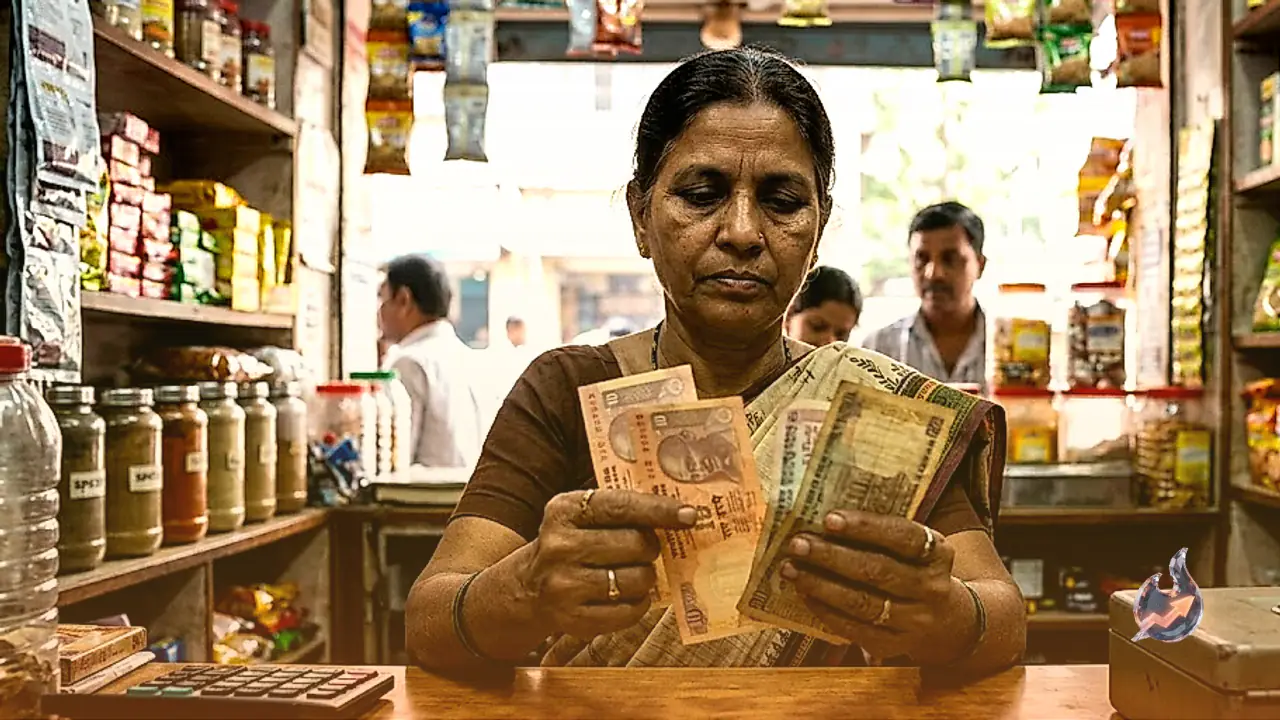

Your wallet could soon hold Rs 10 and Rs 20 notes made not of paper but of plastic, or polymer. The central government has given its approval to a Reserve Bank of India (RBI) proposal to test polymer notes of these two denominations in a first phase. In the Lok Sabha, Minister of State for Finance Pankaj Chaudhary explained that the RBI's central board of directors had proposed issuing one billion polymer notes each of Rs 10 and Rs 20 on a trial basis, and the government has accepted that proposal. In other words, the process of putting these notes to the test is now set to begin.
It has, however, been made clear that this is only an experiment for now. A final decision on printing these notes regularly and rolling them out on a large scale will be taken only after the trial delivers satisfactory results.
Why the shift to polymer notes
The biggest reason behind the move is durability. Studies carried out in several countries show that polymer notes are far sturdier and longer-lasting than ordinary paper ones. They do not tear easily, and water or dirt has much less effect on them. The direct benefit is that notes will need to be reprinted far less often, which will translate into significant savings in printing costs over the long run.
Will the old paper notes be scrapped
This is a question that naturally worries the common person, and the government has answered it plainly. The Finance Ministry has clarified that the new polymer notes will run alongside the existing paper notes. That means the old notes will not be withdrawn for now, and people will keep using them exactly as before. So there is no reason for anyone to panic or rush to exchange their cash.
No threat to digital payments
Many people also want to know whether the arrival of polymer notes will hit digital payments. On this, the government says the plan is at a very early stage, so forming any opinion about its impact would be premature. Cash and digital payments complement each other and will continue to move forward together. The introduction of new notes certainly does not mean that UPI or other digital transactions will weaken.
Already in use in Australia, Britain and Canada
The technology may be new for India, but not for the world. Countries such as Australia, Britain and Canada have long been using polymer notes and have had a good experience with them. India is now stepping in the same direction. If this trial succeeds, people could soon start seeing the new plastic Rs 10 and Rs 20 notes in their hands, while paper notes remain in circulation for the time being.