























Economists Eli Nir and Oscar Munoz at TD Securities have adjusted their core PCE forecasts for August following stronger components within the August PPI report. They currently project core PCE at 0.24% month-on-month and 3.3% year-on-year, alongside headline PCE expectations of 0.33% month-on-month and 3.8% year-on-year.
Methodology Shifts and Market Outlook
The economists highlighted adjustments in the Bureau of Economic Analysis methodology, anticipating downward revisions to year-on-year inflation alongside slightly firmer near-term monthly trajectories. They noted that portfolio management no longer relies strictly on PPI, and uncertainties persist around the new calculations, suggesting the market might be overestimating the scale of negative revisions.
According to the analysts, the PCE-relevant components of the August PPI came in slightly stronger than anticipated, prompting an upward revision ahead of the CPI release. Their market-based core PCE forecast is more subdued at 0.18% month-on-month, reflecting a slight uptick from July. Ultimately, they emphasized that their PCE projections and the Federal Reserve's upcoming September decision hinge heavily on upcoming inflation data.
Foreign Exchange and Commodity Movements
Across broader currency markets, the AUD/USD pair extended its consolidative price action above the 0.7200 mark during the Asian session amid mixed cues. Rising rate-hike expectations from the Reserve Bank of Australia kept the Australian currency near its highest level since May 14. However, hawkish Federal Reserve expectations and escalating geopolitical tensions between the US and Iran offered support to the US Dollar, capping the currency pair as traders awaited crucial inflation figures.
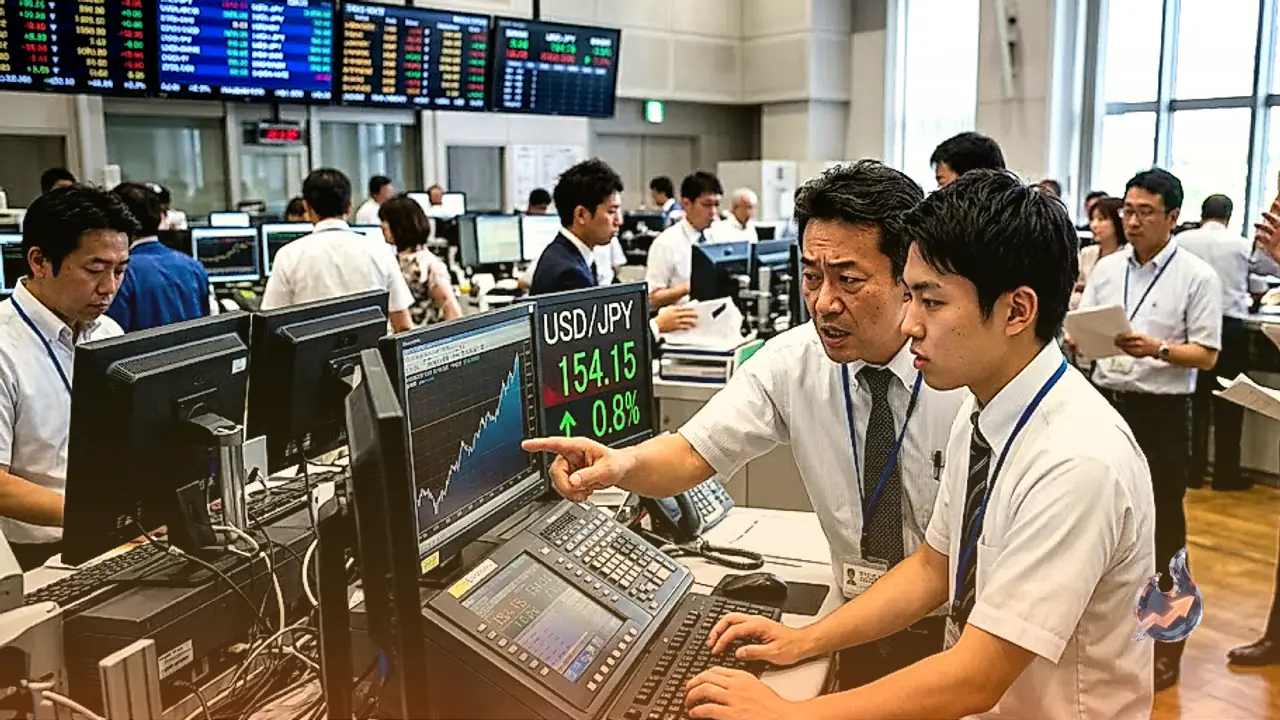
Meanwhile, the USD/JPY pair stabilized above 153.50 during the Asian session, remaining near a seven-month low touched earlier in the week as hawkish repricing by the Bank of Japan continued to underpin the Japanese Yen. Concurrently, rising expectations of a September Federal Reserve rate hike and geopolitical developments helped ease selling pressure on the US Dollar, providing a cushion to the pair ahead of macroeconomic inflation data.
Gold Pricing Dynamics
In commodities, gold maintained erratic trading patterns, slipping back below the key $4,400 threshold per troy ounce following a stronger US Dollar and a sharp recovery in US Treasury yields across the curve, particularly in the wake of producer price figures. Market participants are continually reminded that participating in open financial markets involves substantial risks, and thorough independent research is essential prior to executing investment strategies.