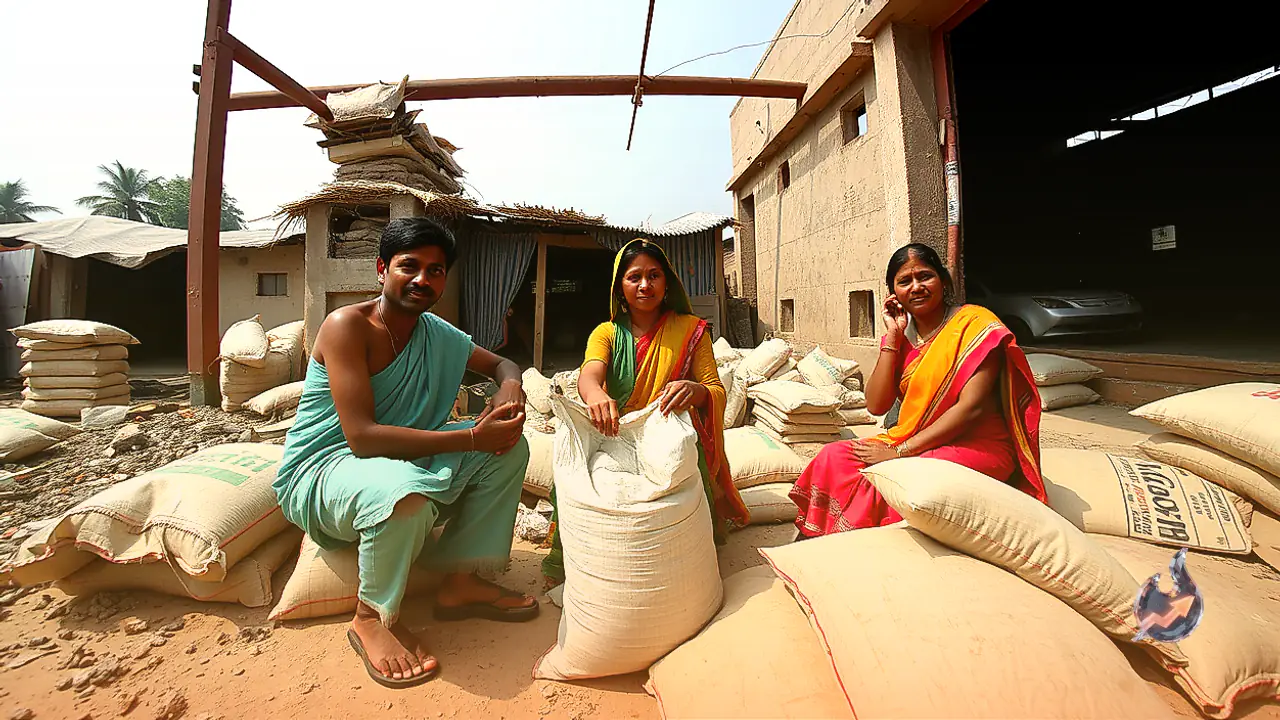























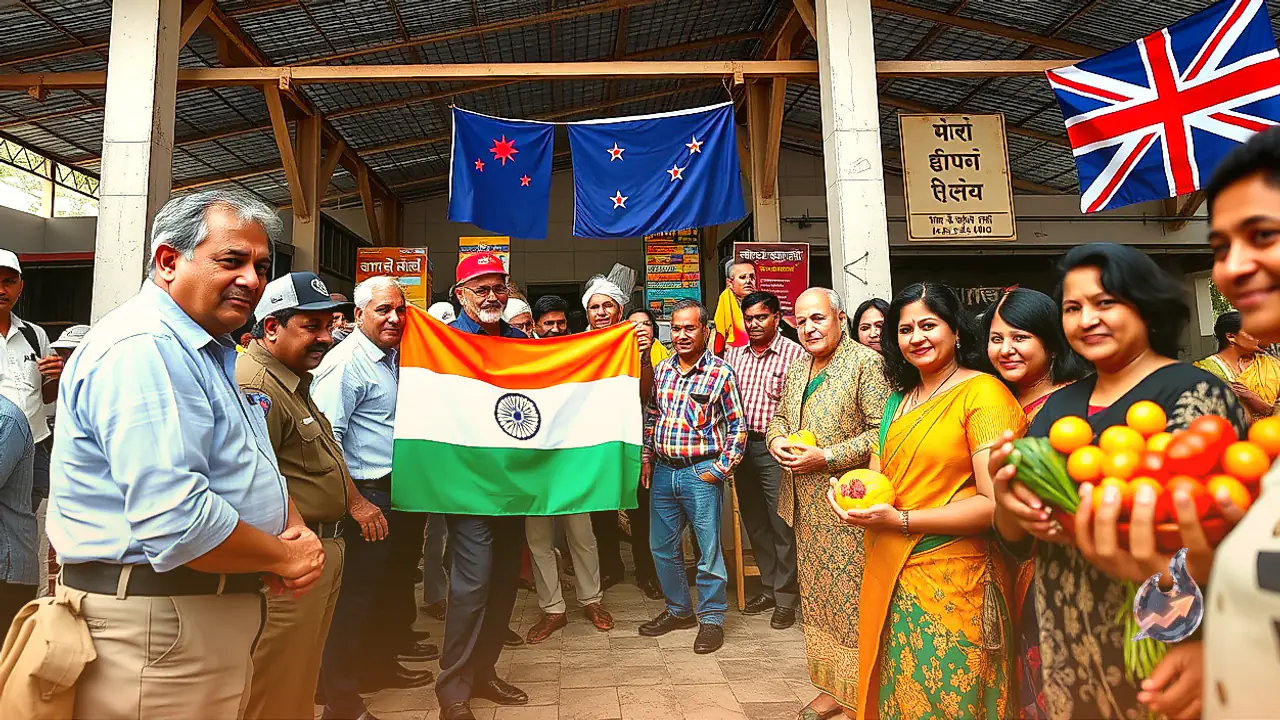

A new chapter in international commerce began on October 20 as the comprehensive bilateral free trade agreement between India and New Zealand officially entered into force. The implementation of this trade pact opens up reciprocal market access for businesses in both nations while paving the way for employment generation across diverse economic sectors. Outlining the contours of the arrangement, Union Minister of Commerce and Industry Piyush Goyal announced that the agreement guarantees zero-duty access for 100 percent of Indian exports entering New Zealand. This milestone is set to provide Indian agricultural producers, including growers of vegetables, spices, and fruits, with extensive access to a sophisticated consumer market in the Pacific region.
Consumers Must Wait Another Year for Cheaper Fruit
Despite the official rollout of the agreement, domestic consumers eager to purchase imported New Zealand apples and kiwi at reduced retail rates will need to remain patient. The regulatory framework issued by the Ministry of Commerce and Industry and the Directorate General of Foreign Trade indicates that price relief on key agricultural commodities will not materialize immediately. Under the published tariff rate quota allocation guidelines, no concessional import quota has been made available for either apples or kiwi during the initial year of the treaty. Consequently, prevailing retail market rates for these premium fruits will remain largely unaffected throughout the current fiscal year.
Zero Duty Framework for Kiwi Starting in Second Year
The pricing dynamics will undergo a dramatic shift starting in the second year of the treaty when New Zealand kiwi enters the Indian market under a complete customs duty waiver. To prevent sudden market saturation, authorities have devised an incremental volume quota system. Under this structure, an import volume of 8,000 tonnes will be allowed duty-free in the second year, expanding to 9,750 tonnes in the third year and 11,500 tonnes in the fourth year. The ceiling will climb to 13,250 tonnes in the fifth year before settling at a steady annual threshold of 15,000 tonnes from the sixth year onwards. However, this full tax concession applies solely if the imported fruit carries a minimum Cost, Insurance, and Freight valuation of $1.80 per kilogram, ensuring high quality while steadily softening Indian retail prices.
Apples to See Import Duty Slashed by Half with Quotas
Foreign apples, which are currently subject to a 50 percent customs duty in India, will also receive tariff relief beginning in the agreement's second year. The pact halves the prevailing tariff to 25 percent on a calibrated volume of imports from New Zealand. Under the allocated tariff quota, India will permit 35,000 tonnes of apples to enter under the reduced 25 percent rate during the second year. This volume ceiling will be expanded gradually over time, reaching an annual cap of 45,000 tonnes by the sixth year of implementation. Because the tariff rate drops by half on a significant volume of imports, retail prices for imported premium apples are expected to decline across urban Indian grocery markets once year two begins.
Protective Measures for Domestic Orchardists and Farmers
While lowering trade barriers for foreign fruit, the Indian government has incorporated stringent safeguards to shield indigenous fruit growers from predatory pricing and market instability. To prevent foreign produce from flooding regional markets at artificially suppressed prices, authorities established a mandatory floor price for overseas apples. The treaty mandates that imported apples must adhere to a minimum Cost, Insurance, and Freight benchmark of $1.25 per kilogram. This regulatory mechanism prevents cheap dumping, ensuring that orchardists across Himalayan states such as Jammu and Kashmir, Himachal Pradesh, and Uttarakhand retain fair competitive positioning against international suppliers.
Provisions for Manuka Honey and Albumin Imports
Beyond the fresh fruit sector, the bilateral arrangement establishes favorable trading terms for processed food components and high-value nutritional goods. New Zealand's renowned manuka honey has been granted an initial entry quota of 40 tonnes during the agreement's first year, which will expand to 200 tonnes annually from the second year onward. In parallel, albumin imports will benefit from a preferential 11 percent concessional duty rate. The import quota for albumin starts at 200 tonnes in the first year and will scale up steadily over a five-year horizon to reach 3,000 tonnes annually, providing domestic processors with reliable raw material inputs.