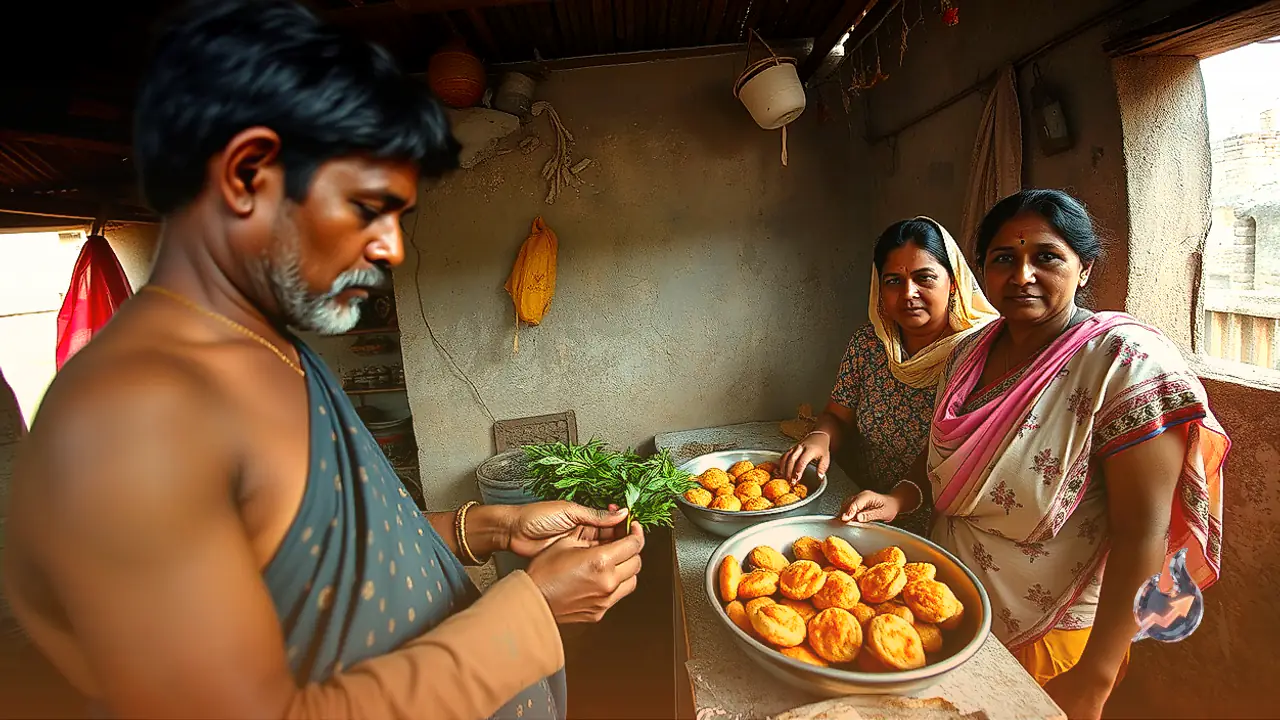

















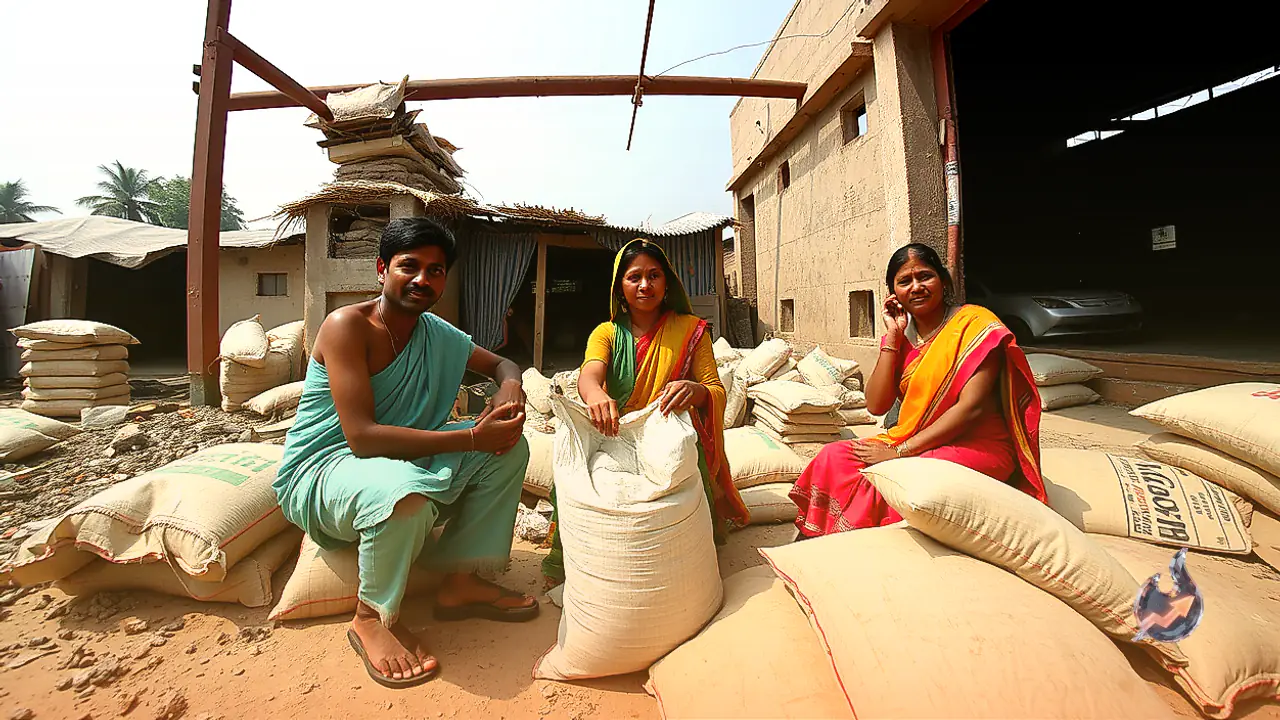

Widespread access to high-speed internet and mobile technology is fostering a new wave of micro-entrepreneurship across rural India. A homemaker from Bihar has demonstrated how an online video can spark a practical commercial enterprise, turning waste materials into a dependable livelihood. Operating directly from her residence in Begusarai, she has established a steady production unit that also offers paid employment to neighboring women.
A Business Concept Born from Mobile Video Browsing
Sudha Devi, a resident of Phulwaria Panchayat-02, Ward 20 in Barauni Municipal Council under Teghra block along the Ganga river, stumbled upon the concept while browsing videos on YouTube. The video illustrated how an individual could set up a low-cost carry-bag manufacturing unit with an initial outlay of Rs 20,000 to Rs 30,000 and generate a reliable daily income. Convinced by the viability of the model, she resolved to turn the digital guide into a functional home enterprise.
Financing Through Self-Help Groups and Hiring Local Help
To arrange the necessary startup capital, Sudha Devi connected with the Nitishree group to secure a loan of Rs 30,000. She utilized this initial credit to purchase her first sewing machine and immediately commenced stitching. As product demand picked up, she scaled up her capacity by acquiring a second sewing machine. To handle the increased output, she engaged a woman from her neighborhood on a daily wage of Rs 150. Throughout this development, Community Manager Mamata Kumari and BPM Birju Kumar extended necessary administrative guidance and assistance.
Raw Material Logistics and Production Cost Breakdown
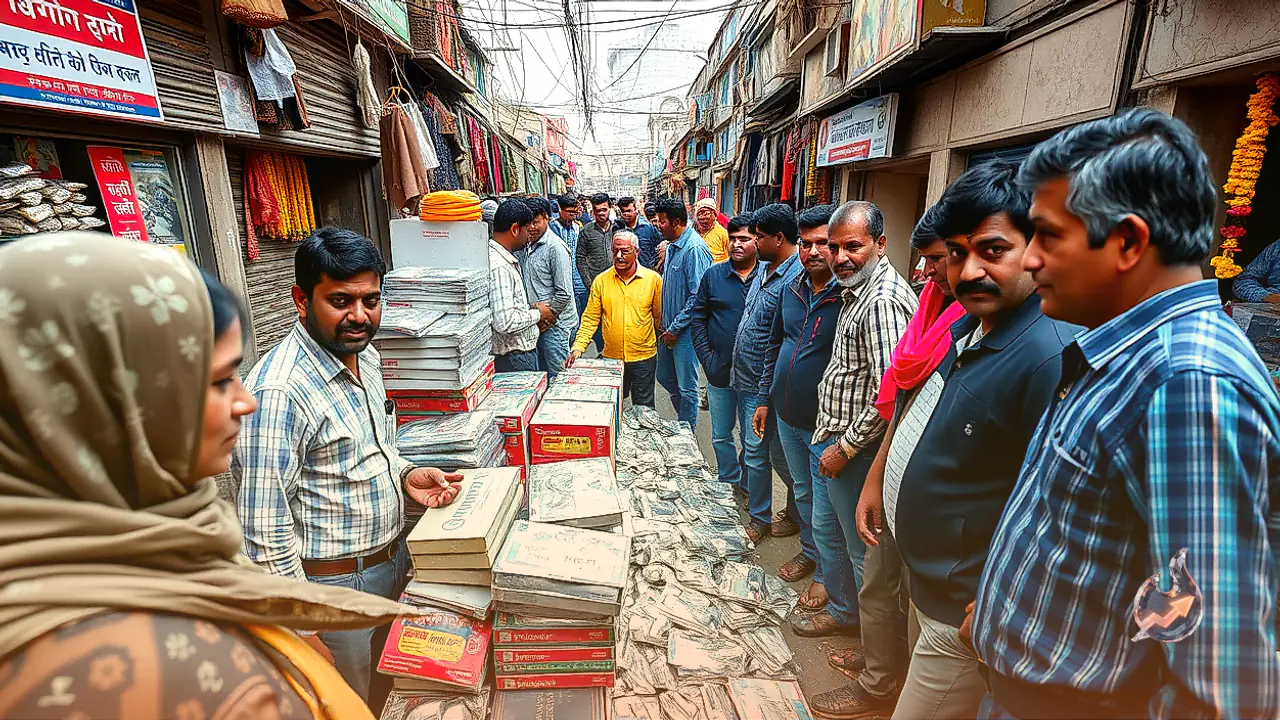
The core raw material consists of discarded cement packaging. Sudha Devi sources these empty sacks directly from Tata in Jharkhand, investing approximately Rs 50,000 every month on bulk consignments. Each empty bag costs around Rs 4 to acquire. Splicing, tailoring, and thread add roughly Rs 1 to Rs 2 to the expense, bringing the total manufacturing cost per finished bag to approximately Rs 5. In retail markets, similar durable bags trade at prices ranging from Rs 10 to Rs 15 each.
Power Supply Dependency and Wholesale Off-Take
Her daily production volume is closely tied to local electricity availability. On days with uninterrupted power, she stitches up to 400 bags at home, netting up to Rs 2,000 in daily earnings. Even when electrical disruptions occur, her daily income ranges between Rs 1,000 and Rs 1,500. Sudha Devi does not need to visit commercial markets for distribution, as wholesale dealers arrive directly at her home to collect finished stock in bulk.