






















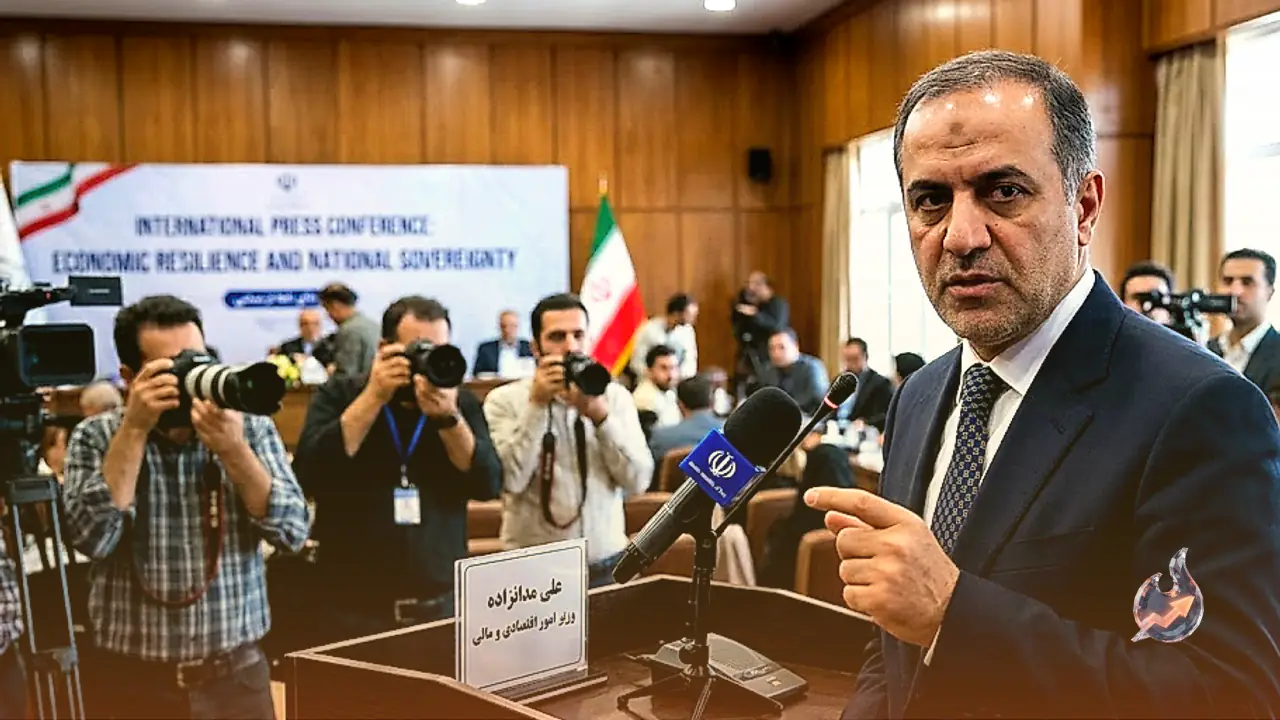

Iranian Economy Minister Ali Madanizadeh stated on Tuesday that the country is fully prepared to handle upcoming US sanctions. Highlighting the administration's readiness, he noted that hostile nations intend to launch an economic terrorist campaign against Iran, but the government possesses its own tools and understands how to navigate the diplomatic and economic landscape.
Shifting from Defense to Offense
The economy minister emphasized that the nation's defensive posture is no longer strictly defensive, warning that adversaries should anticipate an offensive response. Madanizadeh added that neither China nor Russia has accepted unilateral US measures, expressing confidence that other nations will also resist these policies.
WTI Crude Oil Market Dynamics
Meanwhile, West Texas Intermediate, the US oil benchmark, gained fresh upside momentum and sought to retest the USD 85 threshold, trading up 0.32% during the session. WTI is a premier grade of crude oil traded globally, alongside Brent and Dubai Crude. Renowned for its light gravity and low sulfur content, it is categorized as a sweet and light crude that refineries can process with relative ease.
Sourced domestically within the United States, WTI is distributed primarily through the Cushing hub, widely recognized as the pipeline crossroads of the world. As a foundational benchmark for global energy markets, WTI pricing frequently serves as a key indicator across financial media.
Key Drivers of Oil Pricing
Like all major tradable commodities, supply and demand fundamentals dictate the trajectory of WTI prices. Robust global economic expansion drives up energy consumption, whereas sluggish growth dampens demand. Geopolitical instability, armed conflicts, and economic sanctions can severely disrupt supply chains and trigger price volatility.
Decisions made by the Organization of the Petroleum Exporting Countries significantly influence market valuations. Additionally, because crude oil is predominantly priced in US dollars, currency fluctuations play a vital role, where a softer dollar generally makes oil more accessible for international buyers.
Inventory Reports and OPEC Policies
Weekly petroleum inventory data published by the American Petroleum Institute and the Energy Information Administration regularly trigger price movements. Inventory drops signal tightening supplies and push prices higher, whereas inventory expansions reflect oversupply and depress values. The API report releases every Tuesday, followed by the EIA report on Wednesday. Given that the EIA operates as a government agency, its data is widely regarded as the more authoritative source.
OPEC comprises 12 major oil-producing nations that convene biannually to establish collective production quotas for member states. Lowering quotas restricts supply and lifts prices, while increasing output produces the inverse outcome. The expanded OPEC+ coalition incorporates ten additional non-member nations, most notably Russia.
Broader Forex and Precious Metals Movement
In currency markets, GBP/USD retreated from recent recovery gains, revisiting the low 1.3600s as cautious investors awaited upcoming US economic releases and the Jackson Hole symposium. Similarly, EUR/USD traded defensively near the 1.1660 region following Wall Street's closing bell.
Conversely, gold climbed to fresh multi-month highs, with bullish traders setting sights on the USD 4,700 mark. Intervention setbacks within the US Treasury bond market heightened fiscal sustainability concerns, amplifying demand for bullion as an alternative safe-haven asset. Persistent weakness in the US dollar, alongside diminished expectations for an immediate Federal Reserve rate hike, continued providing support to the non-yielding metal.
US Treasury Intervention and Risk Disclaimer
The US Treasury announced adjustments to its operational calendar, doubling liquidity support buyback operations for the 10-year to 30-year sectors, raising the cap from USD 2 billion to at least USD 4 billion, effective from September 9 through November 4.
Market participants should note that trading carries substantial financial risks, including the potential loss of principal. Independent research is strongly recommended prior to executing any investment decisions, as market conditions remain volatile.