



















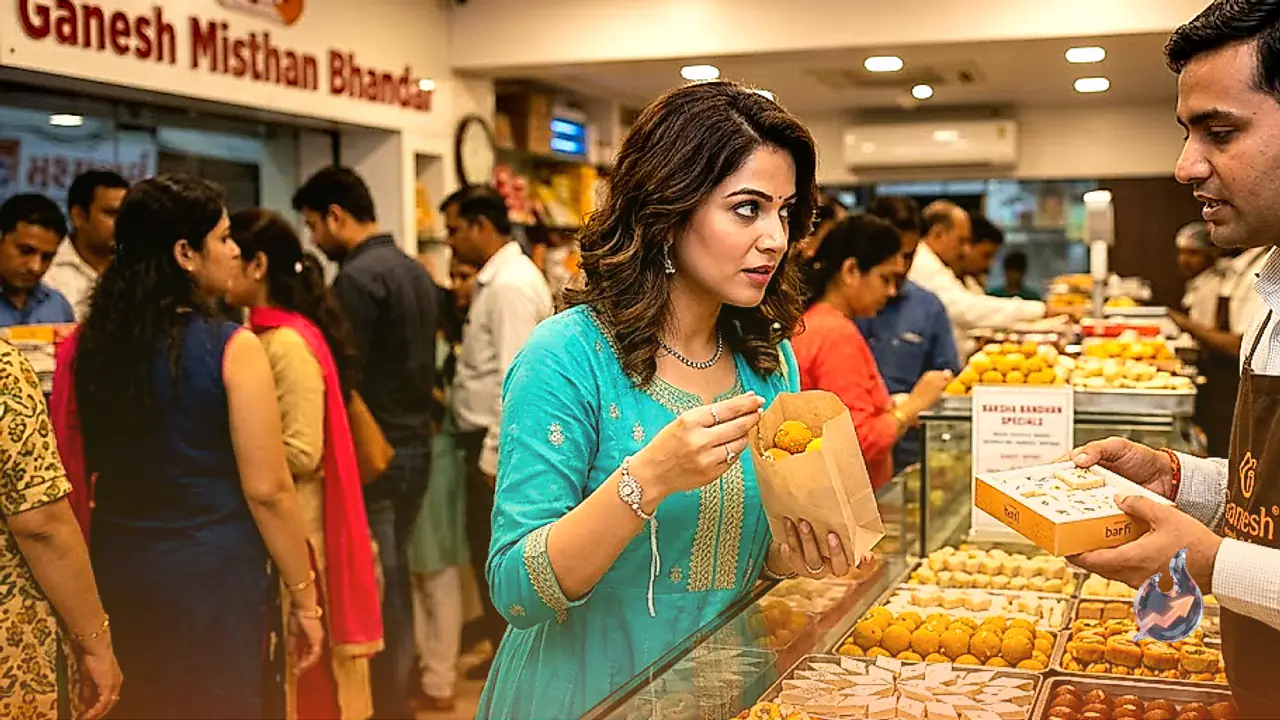

As Raksha Bandhan approaches, homes fill with sweetness and festive cheer. Exchanging sweets like laddoos, burfis, rasgullas, and gulab jamuns after tying the rakhi is a cherished tradition. While celebrating with traditional treats is an integral part of the festival, keeping an eye on health alongside flavor is equally vital. Store-bought sweets, especially those made from milk, khoya, chenna, and cream, can spoil quickly if not stored properly.
Keeping a few simple precautions in mind while enjoying sweets on Raksha Bandhan allows you to savor the festival while keeping your health safe.
Risks of Adulterated and Spoiled Sweets
During festivals, the demand for sweets surges, increasing the risk of poor-quality or improperly stored food items. Consuming contaminated sweets can lead to stomach aches, vomiting, diarrhea, and food poisoning. Therefore, it is always best to purchase sweets from clean and trusted establishments.
What to Check When Buying Sweets
The color, aroma, and texture of a sweet can reveal a lot about its freshness. Avoid buying sweets if they emit an unusual odor, look overly bright or artificial, or feel abnormally sticky on the surface. When purchasing packaged sweets, always check the seal, manufacturing date, and best-before date.
Extra Precautions for Milk and Khoya Sweets
Sweets prepared from khoya, milk, chenna, and cream tend to spoil quickly and should not be kept at room temperature for extended periods. Follow the storage instructions provided on the packet after purchase, and refrigerate them if necessary, especially during hot and humid weather.
High Sugar Intake Can Spike Blood Sugar Levels
Festive sweets generally contain high amounts of sugar and calories. Consuming multiple sweets at once can drastically increase sugar intake. People with diabetes need to be particularly mindful of portion sizes. Even for healthy individuals, overindulging in sweets under the guise of celebration is unwise. Enjoying sweets in moderation is a much better choice.
During festivals, sweets are often accompanied by cold drinks, sweet tea, or other sugary beverages, which raises the total daily sugar consumption. Pairing sweets with plain water or sugar-free drinks is a healthier alternative.
Care Needed for Children and the Elderly
While it is natural for children to crave sweets during festivals, avoid giving them treats repeatedly. Similarly, elderly individuals and those with preexisting health conditions should regulate their sweet intake according to their diet. Festivals are a time for joy, not an excuse to abandon all dietary limits.
Signs to Watch Out For After Eating Bad Sweets
If you experience persistent vomiting, diarrhea, severe stomach pain, fever, or unusual weakness after eating sweets, do not ignore these symptoms as minor. Consult a medical professional if these signs persist. After all, the true sweetness of Raksha Bandhan lies in staying healthy and happy long after the celebrations end.