


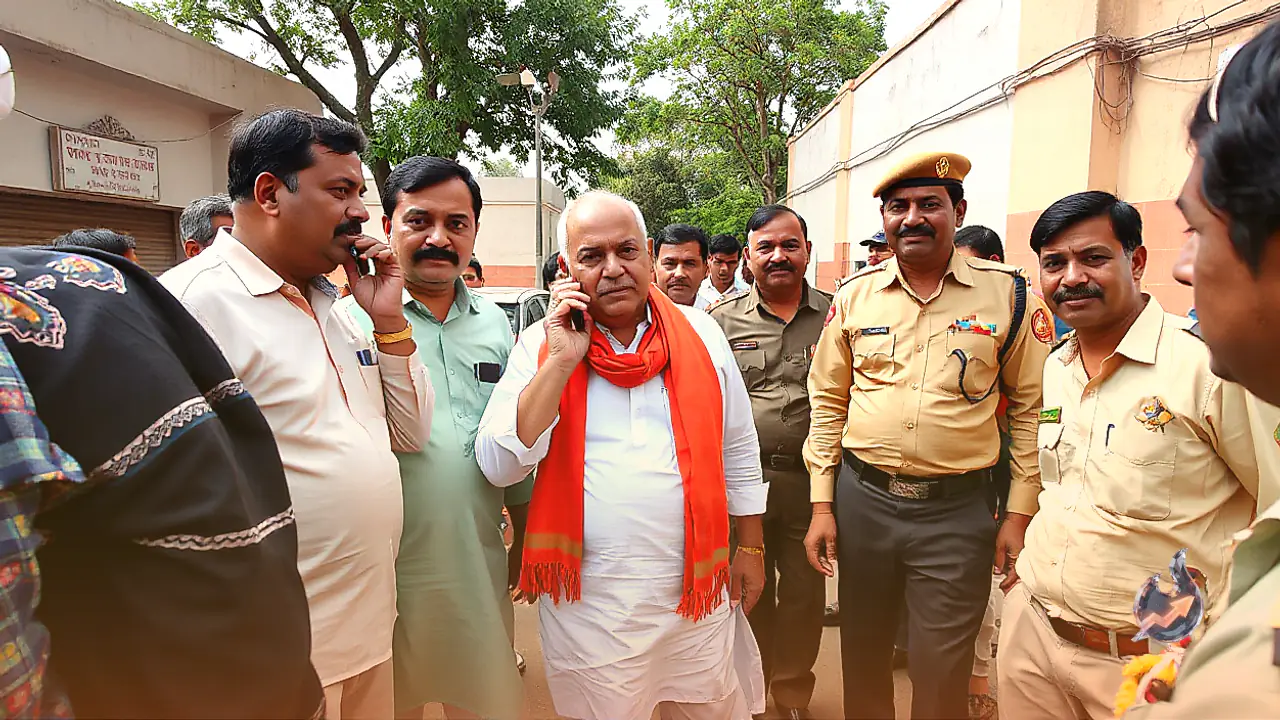
















Vehicle owners frequently suspect that fuel efficiency drops after a refill, but a recent disclosure from state authorities has brought a much larger issue to light. The Karnataka government has claimed that fuel sold under the E20 category contains ethanol levels far exceeding the mandated cap, reaching as high as 31.2 percent in laboratory evaluations. Food Minister Rizwan Arshad stated that independent test results show the blending limit has been severely breached, describing the situation as a major financial blow to ordinary citizens.
Excess Ethanol Found in Samples From Major Fuel Companies
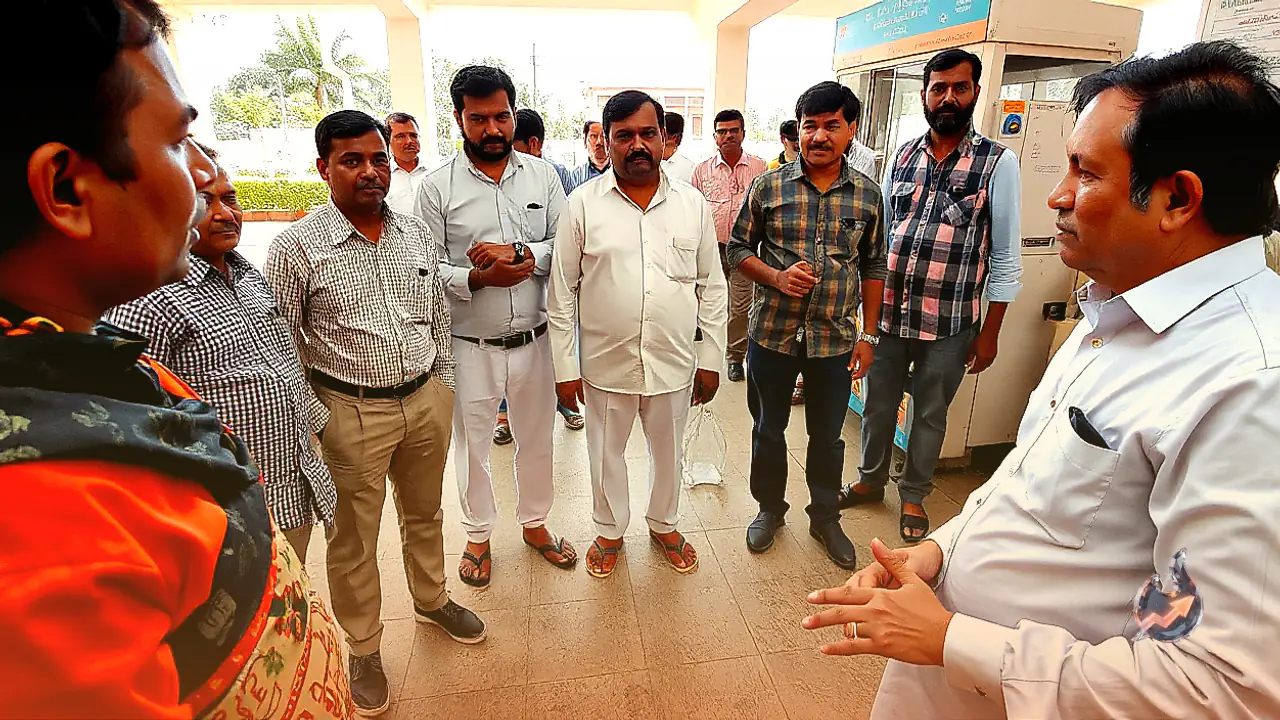
According to the findings, the state administration collected a total of 63 petrol samples from various locations belonging to major oil marketing companies including Indian Oil, Hindustan Petroleum, Bharat Petroleum, Shell, and Nayara. When these samples were initially tested in the companies' own facilities, the exact blending figures were allegedly concealed. Growing suspicious, the government dispatched the samples to independent laboratories accredited by the National Accreditation Board for Testing and Calibration Laboratories and certified by the International Organization for Standardization, where startling figures emerged.
The tests revealed that one sample from Indian Oil contained 31.2 percent ethanol, while Hindustan Petroleum recorded 30.5 percent, Bharat Petroleum showed 26.5 percent, and both Nayara and Shell registered levels exceeding 25 percent. The discovery of excessive ethanol across seven districts, including Bengaluru, has triggered widespread concern.
Massive Financial Impact on Consumers
Targeting the central government over the policy, Minister Arshad argued that reduced fuel efficiency and the resulting damage to vehicle engines cause an estimated annual financial loss of around 62,000 billion rupees to consumers. He questioned whether this financial drain comes directly out of the pockets of ordinary citizens. Furthermore, he raised concerns regarding whether the storage tanks and infrastructure at retail fuel outlets are adequately prepared to handle such fuel compositions.
Demand for Compensation and Transparency
In response to the findings, the state has demanded that the central government establish a special fund to compensate consumers for vehicle damage and reduced mileage resulting from excessive ethanol blending. Authorities also questioned why the benefits of lower crude oil prices in the international market fail to reach the general public. Karnataka plans to forcefully raise this matter before the central authorities and press for complete transparency.