
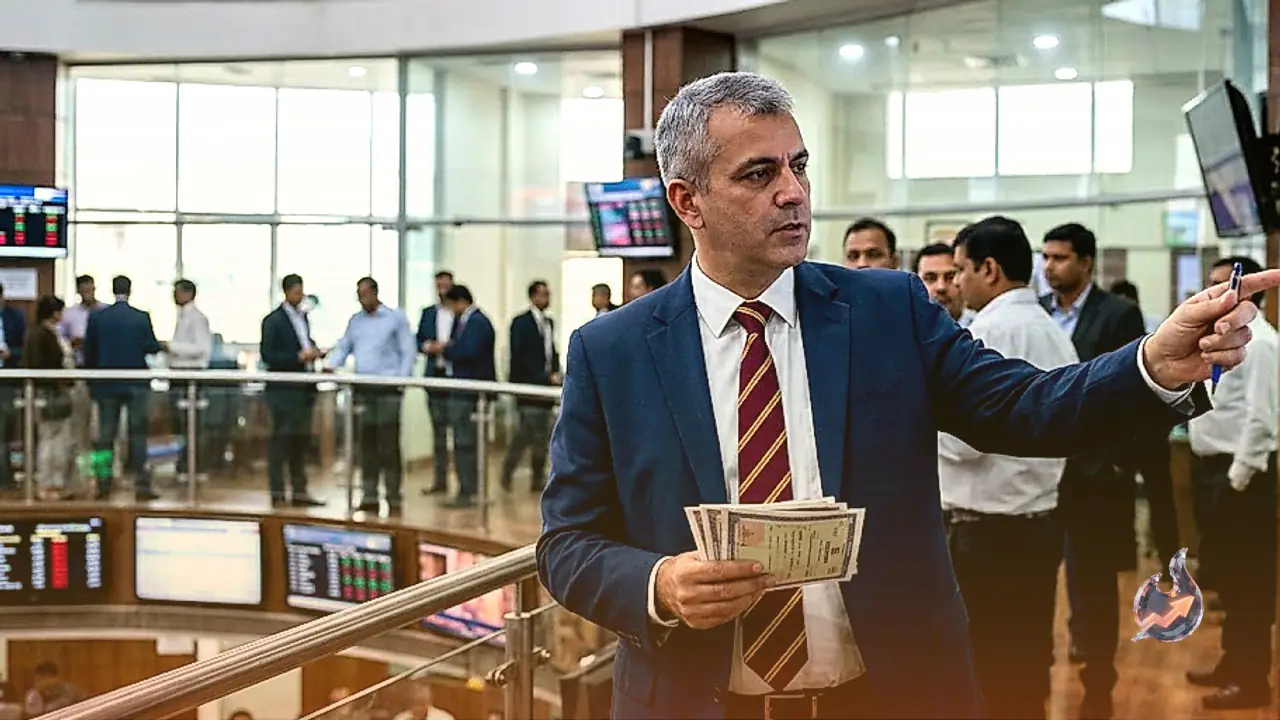



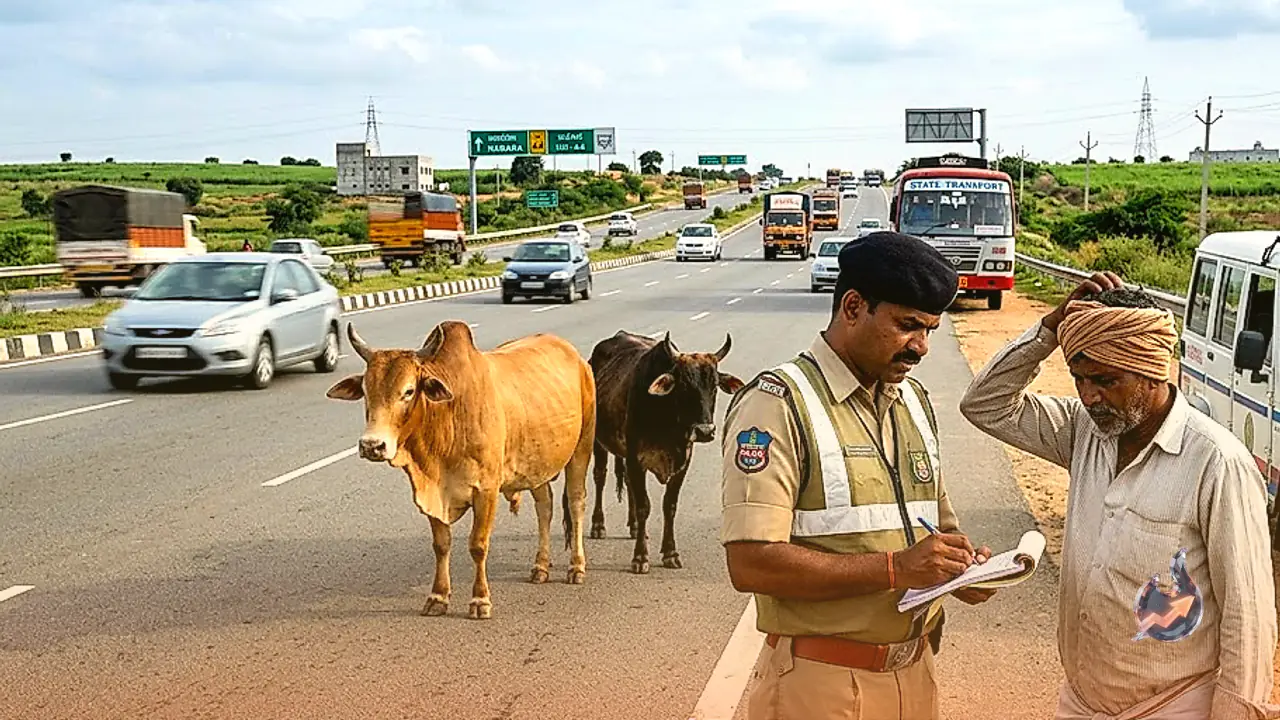
















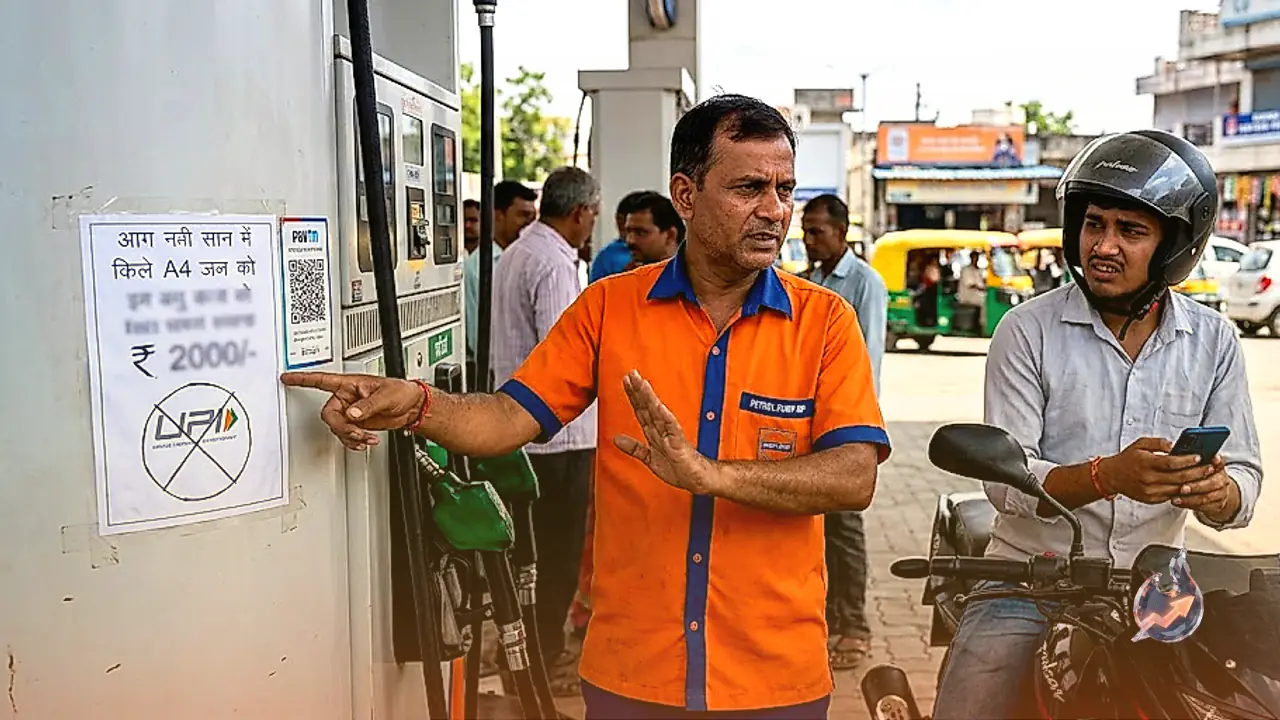

Retail fuel station operators have taken a firm stand against new transaction processing costs scheduled for digital payment networks. Outlet owners across Madhya Pradesh announced that starting October 16, they will decline UPI payments that exceed 2,000 rupees for fuel purchases. The dispute stems from a scheduled framework taking effect on October 15, under which commercial transactions over 2,000 rupees will carry a 0.4 percent Merchant Discount Rate, commonly known as MDR. While rules dictate that merchants rather than retail consumers must absorb this fee, fuel and CNG transactions above the 2,000-rupee threshold are set to incur a flat charge of 5 rupees. Opposition to this fee structure has surfaced in multiple regions across the country as commercial outlets resist the added operational burden.
Squeezed Margins and Projected Revenue Loss
Ajay Singh, representing the Madhya Pradesh Petrol Pump Dealers Association, indicated that outlet members will enforce the restriction unless authorities reconsider the MDR levy. Highlighting the balance-sheet pressure, Singh said, "नई व्यवस्था के तहत एक पेट्रोल पंप को हर महीने करीब 17,700 रुपये का नुकसान उठाना पड़ेगा।" He noted that Madhya Pradesh is home to approximately 4,700 filling stations operating on narrow margin structures. Given these thin earnings, fuel sellers insist their businesses simply lack the financial cushion to absorb such ongoing operational expenses on their own balance sheets.
Trade Federation Voices Alarm Over Digital Adoption
The Confederation of All India Traders has characterized the fuel operators' planned boycott as a serious setback for electronic transactions. Dharmendra Sharma, who leads CAIT's Bhopal chapter and manages media communications for Madhya Pradesh, stated on Friday that around 4,700 retail pumps across the province will be impacted. He framed the dealers' impending refusal directly as a consequence of the proposed merchant processing fee structure imposed on transaction flows.
Apprehensions Over Cashless Ecosystem Growth
Dharmendra Sharma pointed out that UPI has served as a cornerstone of the cashless economy, transparent commercial activities, and Digital India initiatives for years. However, the introduction of merchant levies is creating profound anxiety across retail operations. Explaining the financial mechanics, he emphasized that a 0.4 percent charge on standard business transfers equates to an additional 40 rupees on a 10,000-rupee transaction. In the case of vehicle fuel purchases exceeding 2,000 rupees, the flat 5-rupee fee per qualifying transaction threatens to eat into dealer earnings continuously.