

















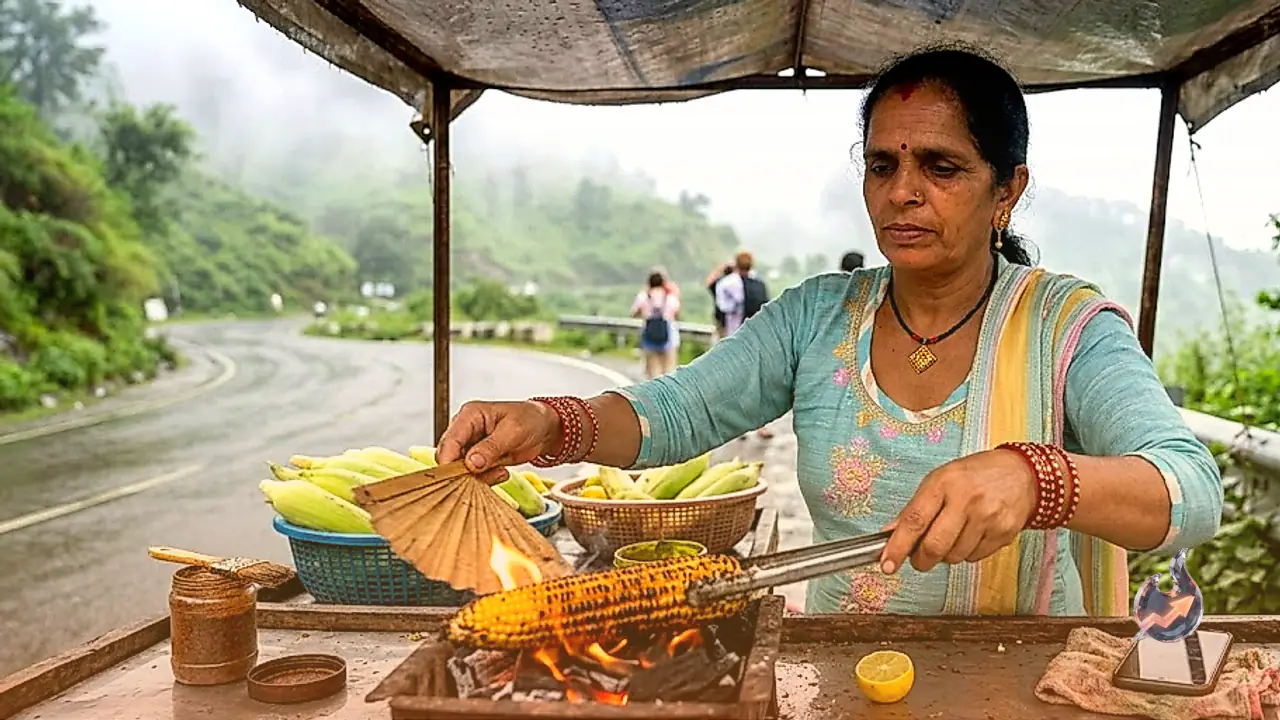

The arrival of the monsoon in Uttarakhand brings a unique charm, transforming the hill state into a lush green paradise that attracts travelers from all over the country. Along with the refreshing rain and cool mountain breeze, this season triggers a massive spike in the demand for warm, comforting street food. Roasted corn, locally known as bhutta, leads the charts as the ultimate monsoon snack. For aspiring entrepreneurs looking to start a small business with minimal capital, setting up a roasted corn stall in the state's bustling tourist hubs represents an incredibly lucrative opportunity. By positioning a stall in the right spot and maintaining high standards of taste, hygiene, and hospitality, one can establish a highly successful seasonal venture that delivers impressive profit margins.
Choosing the Perfect Location in Uttarakhand's Tourism Hotspots
To make this venture successful, identifying areas with high tourist activity is absolutely critical. During the rainy season, prominent holiday destinations such as Kausani, Bageshwar, Nainital, Ranikhet, Almora, and Mussoorie experience a continuous stream of visitors. Setting up a stall near major viewing points, lakesides, or busy markets in these towns ensures a steady flow of potential customers who are eager to enjoy a hot, freshly roasted snack in the cool mountain air. Beyond scenic getaways, Uttarakhand is also famous for its spiritual tourism, with numerous temples and religious sites drawing devotees throughout the monsoon. Placing a clean stall near these sacred spaces can drive exceptional sales, as pilgrims frequently search for a light, warm snack after completing their prayers and temple visits. However, it is vital to keep the temple premises clean and park the stall only in designated municipal zones.
Transit Points and Customer Engagement: Advice from Prem Ballabh Pandey
The success of any small-scale retail business rests heavily on its physical positioning, a point emphasized by Bageshwar-based trader Prem Ballabh Pandey. According to Pandey, transit points like local markets, busy bus terminals, and taxi stands are premier spots for selling roasted corn because they experience heavy, continuous foot traffic throughout the day. Travelers and commuters frequently crave warm food during their journeys, making a roadside corn stall highly attractive. Pandey advises that keeping the stall immaculate and roasting the corn fresh on order is non-negotiable. To cater to diverse tastes, vendors should always keep a variety of spices handy, including common salt, red chili powder, chaat masala, and fresh lemons. Providing quick service accompanied by polite behavior builds a strong rapport, encouraging travelers to return to the same stall whenever they pass through.
The Art of Selection and Flavor: Mahadevi's Guide to Quality
Another experienced merchant, Mahadevi, points out that while a prime location gets customers to stop, it is the exceptional taste that keeps them coming back. She emphasizes the importance of handpicking the finest raw materials, specifically choosing fresh corn with soft, tender kernels. Proper roasting technique is equally critical, as the corn must be cooked evenly over a gentle coal fire without burning. To appeal to modern consumers, Mahadevi suggests offering premium flavor options, such as rubbing the corn with butter, rock salt, chaat masala, red chili, and lemon juice. Maintaining strict hygiene by using clean utensils and purified water is indispensable, especially during the monsoons when waterborne illnesses are a concern. Consistently delivering high quality and excellent service helps a simple stall stand out, creating a loyal, recurring customer base over time.
Ensuring Absolute Cleanliness and Visual Appeal Amidst Monsoons
Operating a roadside food stall during the rainy season presents distinct challenges, particularly regarding cleanliness and mud. To gain customer trust, vendors must maintain impeccable hygiene. The raw and cooked corn must remain covered at all times, and spices should be stored in clean, airtight containers. Installing a visible dustbin next to the stall is mandatory to prevent littering and keep the immediate environment clean. A visually organized and attractive stall naturally draws more customers, as people feel safe eating there. Additionally, the vendor's personal presentation, such as wearing clean attire and greeting buyers with a warm smile, leaves a lasting positive impression. Customers are far more willing to buy from and trust vendors who demonstrate a visible commitment to cleanliness and food safety.
Supporting Local Farmers and Managing Fresh Inventory
As the rainy season progresses, fresh locally grown maize begins to flood the markets in the hilly regions of Uttarakhand. Local corn is widely preferred by consumers due to its superior sweetness, tender texture, and unmatched freshness. Whenever possible, vendors should establish direct purchasing links with regional farmers. This direct sourcing strategy is highly beneficial for both parties, as it ensures that farmers receive fair compensation for their harvest while enabling the vendor to acquire high-quality produce at reasonable wholesale rates. To maintain maximum quality, vendors should only stock enough inventory to meet daily or short-term demand, preventing the corn from drying out or spoiling. Selling fresh, local produce not only enhances the flavor of the final product but also fosters trust among discerning consumers.
Embracing Digital Marketing and Modern Operational Conveniences
In the digital age, even micro-businesses can experience rapid growth by leveraging social media platforms. Vendors operating stalls in picturesque tourist destinations or lively markets can share high-quality photographs and short videos online. Showcasing the cleanliness of the stall, the sizzling roasting process, and the scenic mountain backdrop can effectively attract tourists searching for popular local food experiences online. Giving the stall a unique, memorable name and displaying a clean, professional signboard also aids in brand recognition. Furthermore, adapting to modern payment methods is crucial. Offering digital payment options like UPI alongside traditional cash transactions provides immense convenience to travelers who may not always carry physical currency.
Administrative Permissions and Weatherproofing for Smooth Operations
Before launching a roasted corn stall, it is essential to understand and comply with all guidelines set by local municipal bodies and administrative authorities. Stalls must only be set up in authorized vending zones, ensuring they do not obstruct vehicular traffic or pedestrian pathways. To keep operations running smoothly during unpredictable monsoon downpours, vendors should equip their stalls with large waterproof umbrellas or high-quality tarpaulins. Combining systematic planning, diligent effort, robust hygiene, and a strategic location can transform this low-cost venture into a highly reliable and profitable source of regular income.