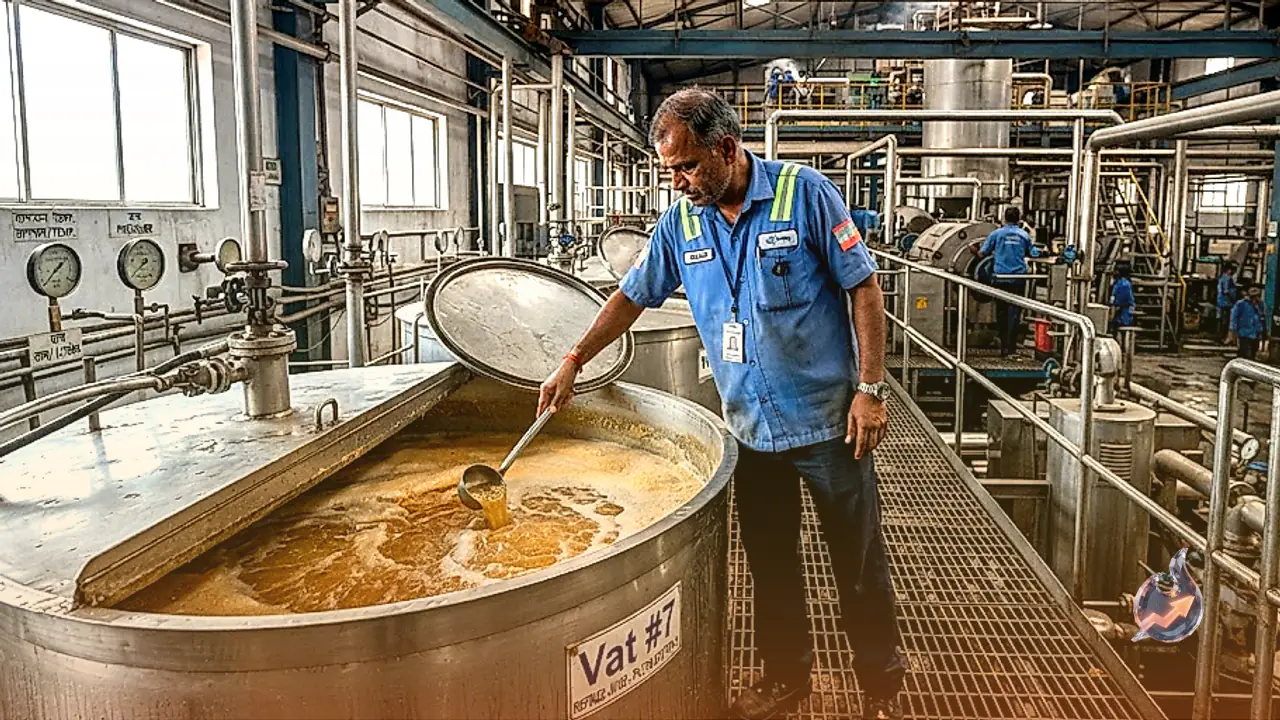


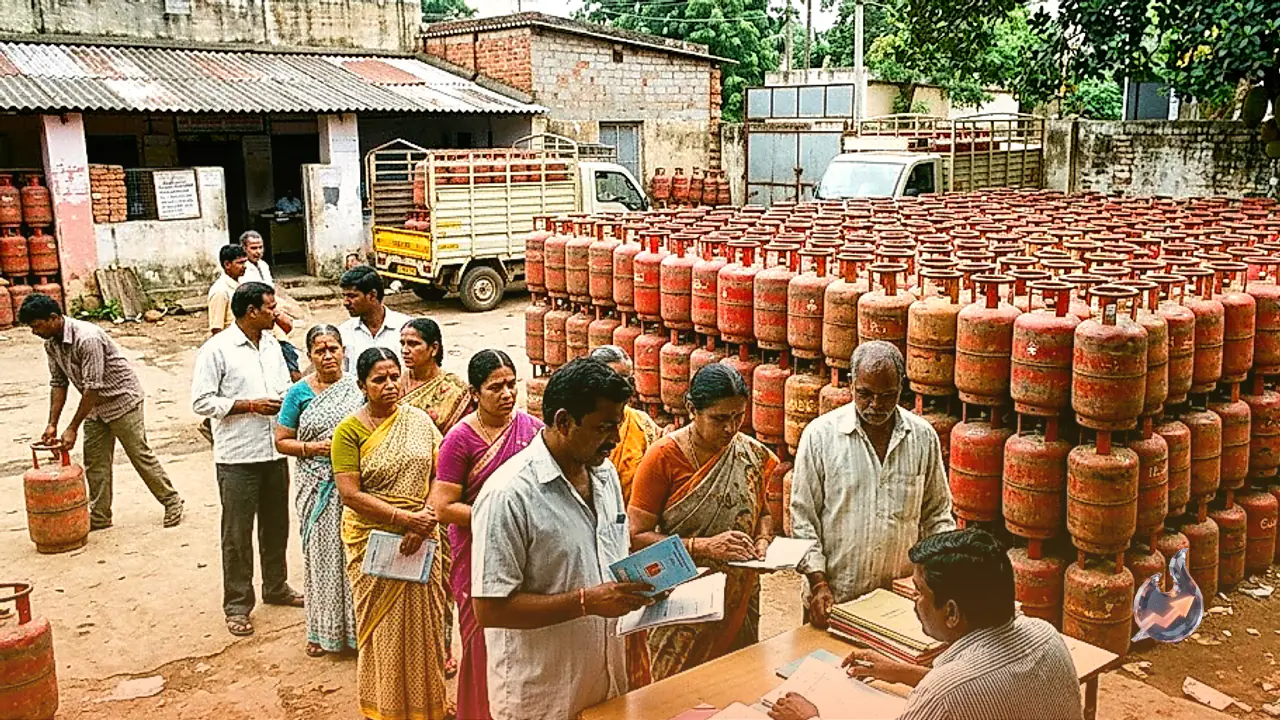


















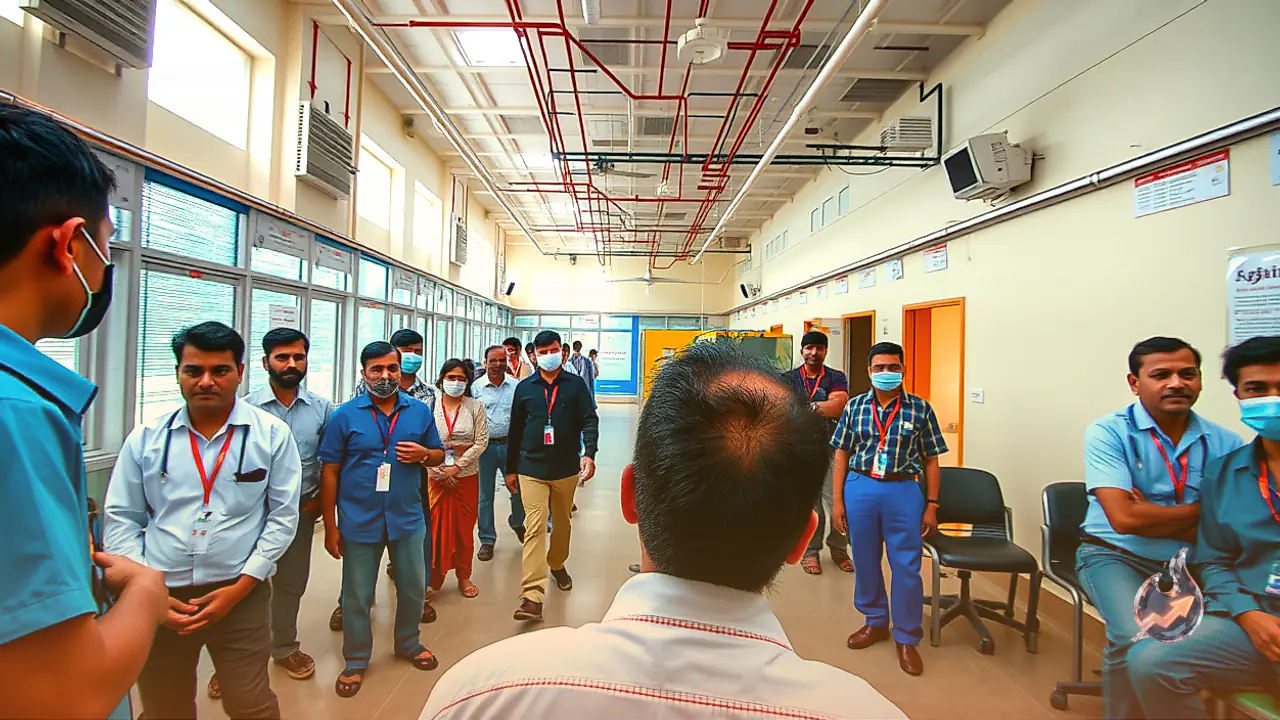

A sweeping nationwide initiative to overhaul public medical infrastructure is currently taking shape across the country. Under this expansive roadmap, preparations are underway to construct a large-scale network of 40 to 50 non-profit general hospitals across various regions. During the financial year 2025-26, philanthropic disbursements across an array of social development programs reached a total of ₹1556.31 crore. Noel Tata, Chairman of Tata Trusts, detailed this forward-looking vision within the organization's annual report for the 2025-26 period.
The operational framework of these proposed medical centres will rely on an equitable cross-subsidization system. Revenue collected from patients who have the financial capacity to pay for their treatments will be redirected to underwrite medical procedures, diagnostics, and care for economically vulnerable citizens. This structure is intended to keep the healthcare network financially resilient while guaranteeing that high-quality tertiary and secondary care remains accessible to those who cannot afford private medical bills.
Focus on Enduring Institutional Assets
The annual report chose not to disclose immediate specifics regarding the total capital expenditure required for establishing the 40 to 50 hospitals, nor did it list their tentative locations or the exact construction schedules. Noel Tata highlighted that the overarching goal is to build enduring institutional capabilities and delivery systems that serve as community assets over the long run. He remarked that the true efficacy of philanthropic action should not be evaluated solely by the scale of capital expended or the headcounts touched, but rather by the tangible and lasting difference introduced into human lives.
Sector-Wise Capital Allocations and Priority Areas
The gross expenditure of ₹1556.31 crore recorded for the 2025-26 financial cycle comprised two central channels of deployment. Institutional grants and on-ground project partnerships accounted for the dominant share of ₹1353.32 crore, whereas ₹202.99 crore was released in the form of direct individual grants to citizens facing urgent hardships.
A sectoral assessment reveals that rural community development took the single largest share of resources, receiving an allocation of ₹457.62 crore. Educational initiatives represented the second highest focus, securing ₹270.26 crore to advance learning opportunities. Specialized medical intervention, particularly dedicated oncology care, was allocated ₹178.46 crore, followed by ₹169.31 crore directed toward broader institutional capacity building. Core public healthcare initiatives received ₹105.97 crore. In addition, ₹59.04 crore was directed toward water security and community sanitation infrastructure, while dedicated nutritional programs were funded with ₹57.64 crore.
Direct Grants and the 2026 to 2031 Strategic Vision
Within the ₹202.99 crore assigned to individual relief grants, urgent medical assistance accounted for the vast majority of disbursements, providing ₹143.30 crore directly to individuals confronting heavy medical expenses. Academic support was another crucial avenue, providing ₹59.38 crore to students in need of tuition and learning assistance.
Looking ahead, the leadership has drafted a targeted healthcare master plan spanning the five-year window from 2026 to 2031. Under this roadmap, comprehensive intervention programs will upgrade grassroots medical facilities across approximately 75 administrative development blocks in pivotal states. Furthermore, the plan establishes a commitment to reinforce and upgrade over 100 government healthcare centres across 35 high-priority districts, modernizing equipment, infrastructure, and capacity to deliver primary medical care to underserved populations.