



















In an effort to secure domestic sweetener availability and insulate retail consumers from potential price shocks, public sector oil marketing companies have overhauled their procurement rules for the upcoming 2026-27 ethanol supply year. The latest tender explicitly excludes ethanol derived from sugarcane juice, refined sugar, sugar syrup, and B-heavy molasses. Simultaneously, authorities have reduced the purchase incentives offered on ethanol synthesized from maize, signaling a calibrated recalibration of the national biofuel roadmap to safeguard the food basket.
BPCL Floats Massive 1,100 Crore Litre Procurement Tender
Acting on behalf of state-owned fuel retailers, Bharat Petroleum Corporation Limited (BPCL) issued a sweeping procurement tender on 16 October. The bidding process seeks roughly 1,100 crore litres of ethanol for the ethanol supply year commencing in November. This procurement is structured to meet the ambitious target of 20 percent ethanol blending in motor fuel across the country. The initiative has historically helped India reduce its massive crude oil import bill while simultaneously checking vehicular greenhouse emissions, yet the raw material dynamics are now undergoing a tactical shift.
Strict Directives to Zero Out Sugar Diversion
Tender stipulations make it unequivocal that the Union government intends to eliminate the direct diversion of sugar into fuel manufacturing for the 2026-27 operating period. The official document mandates that bids will not be invited for ethanol manufactured directly from cane juice, refined sugar, crystalline syrup, or B-heavy molasses. This measure enforces an operational shift back to traditional sugar processing, ensuring that cane crushed across mills primarily translates into packaged and bulk sweetener for domestic consumption.
Approved Feedstocks Shift Focus to Damaged Grains and C-Heavy Molasses
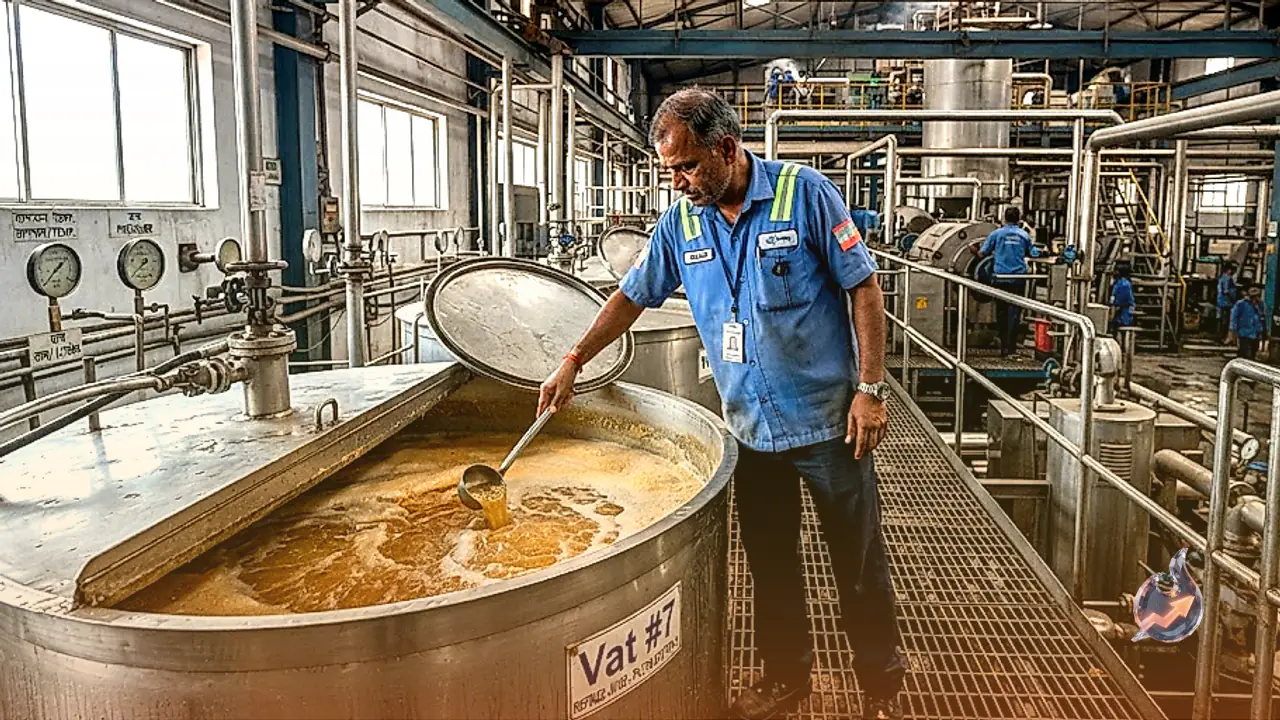
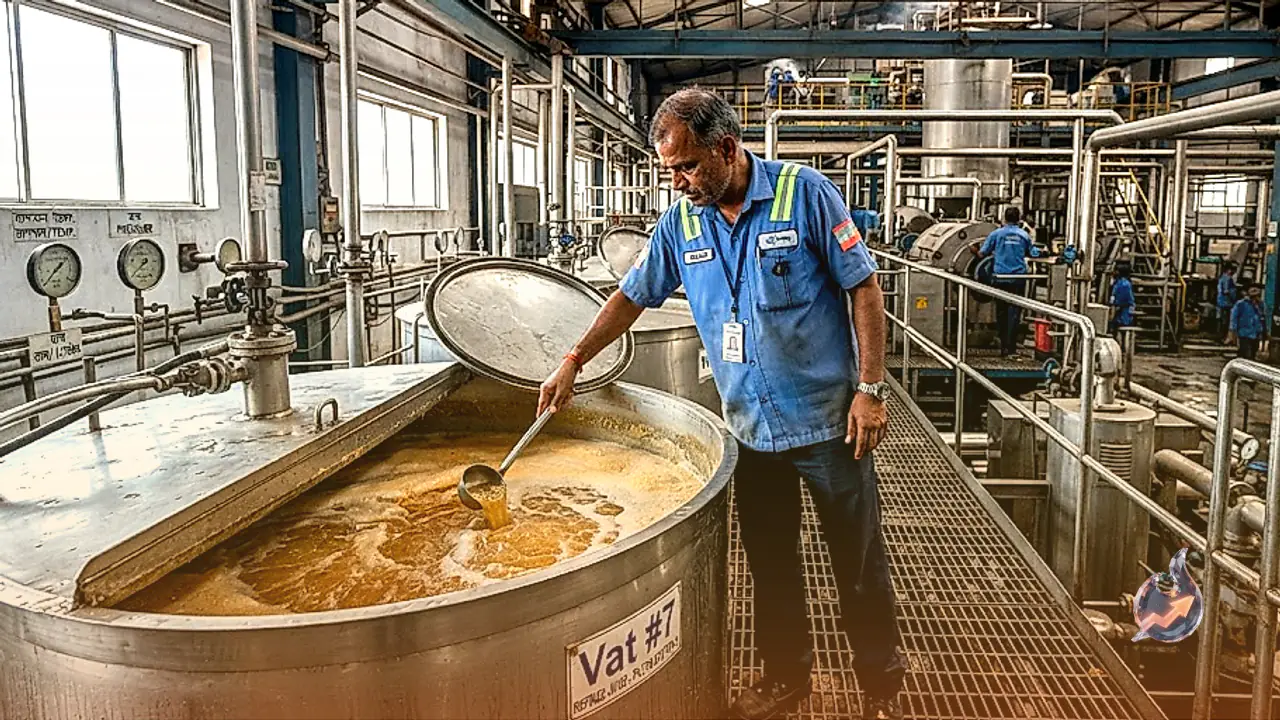
With the primary sugar chain closed for blending fuel, the procurement tender opens the floor exclusively to grain based and low-grade by-products. Suppliers are permitted to submit delivery bids for ethanol manufactured from maize, broken food grains, surplus rice stocks made available by the Food Corporation of India (FCI), and C-heavy molasses. This structural pivot is designed to sustain fuel blending momentum using non-essential grains and industrial residue rather than staple commodities that directly influence kitchen inflation.
Incentive Reduction Pressures Maize Distiller Margins
Alongside the sugar restrictions, grain based distillers face a notable commercial adjustment. The procurement authority has cut the incentive on maize-derived ethanol from Rs 5.79 per litre down to Rs 2.79 per litre, representing a flat drop of Rs 3 per litre. Consequently, the effective procurement price for maize-based ethanol has been revised downward to Rs 68.86 per litre, compared to the earlier payout of Rs 71.86 per litre. Market observers anticipate that this moderation will compress profit margins for grain distilleries, which had made capital investments anticipating sustained premium pricing.
Rainfall Deficits in Key Sugar Belts Prompted Preemptive Action
The decisive policy intervention stems directly from erratic monsoon behavior across central and western India. Critical sugarcane producing territories, particularly across Maharashtra and Karnataka, experienced deficient precipitation during the primary cropping window. This climatic shortfall has raised tangible concerns over reduced cane tonnage and lower overall sugar recovery rates in the upcoming crushing season. As the planet's single largest consumer of sugar, India cannot risk an acute supply deficit, prompting authorities to prioritize domestic food stability over aggressive biofuel feedstock allocation.