




















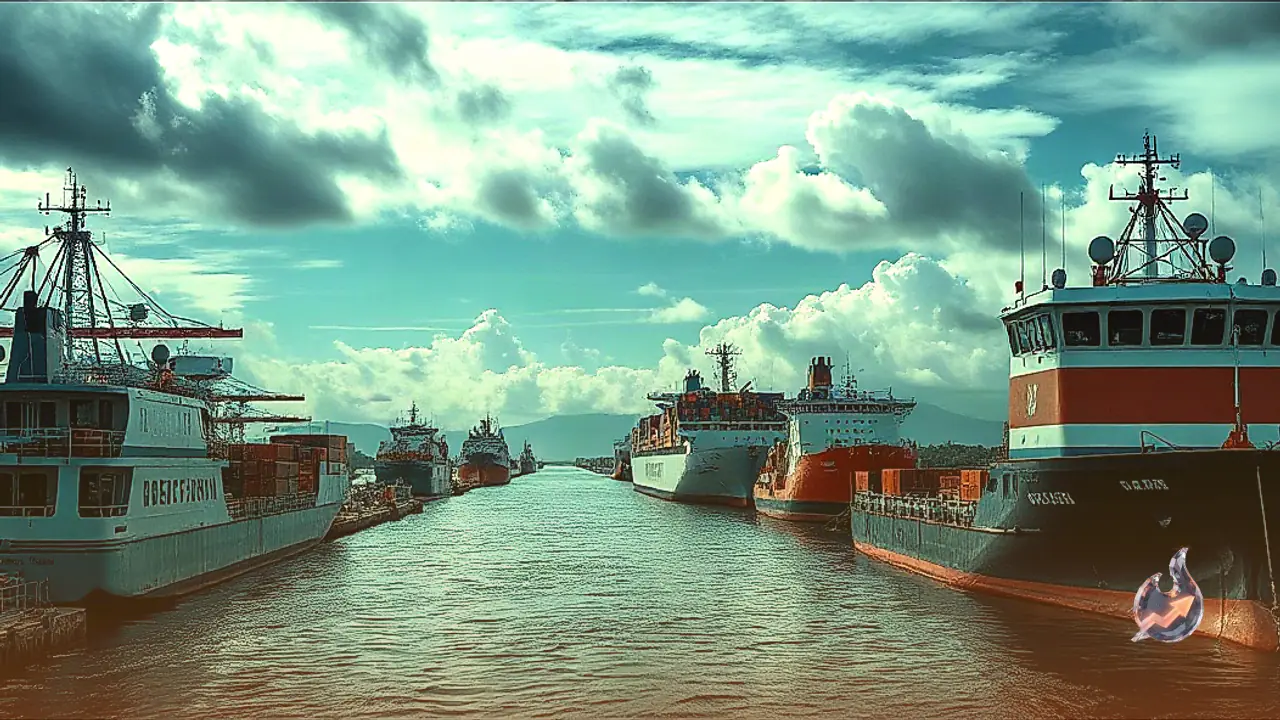

Severe environmental pressures and prolonged dry spells are forcing major operational adjustments at one of the world's most critical maritime choke points. The Panama Canal Authority (ACP) officially informed international shipping companies on Thursday that it will reduce the maximum number of vessels allowed to transit the waterway each day. Starting from 15 September, daily transits will be capped at 32 vessels, representing a noticeable decrease from the current limit of 36 ships per day. To ensure an orderly adjustment for global supply chains, administrators confirmed that these new restrictive measures will be phased in starting 3 September.
Restrictions on Daily Maritime Transits
The decision to restrict ship traffic comes as low rainfall severely depletes the freshwater reservoirs required to operate the canal's lock system. The ACP announced these limitations to preserve service reliability and safeguard freshwater resources essential for human consumption across local communities. Although the rainy season has arrived in Central America and initial water-saving protocols were previously introduced along the route, canal management emphasized that further aggressive measures are necessary to ensure the long-term sustainability of transit operations.
Under normal conditions, the canal operates 24 hours a day and 365 days a year without interruption. However, the requirement to lock massive cargo vessels through elevated water lanes consumes hundreds of millions of gallons of freshwater daily. When natural rainfall falls short of seasonal expectations, the authority must balance the economic demand of global trade against the vital domestic water needs of the surrounding population.
The Role of Climate Change and El Niño
The primary driver behind the historic dry conditions in Central America is El Niño, a naturally occurring climate pattern characterized by the periodic warming of ocean surface temperatures in the Pacific Ocean. El Niño alters atmospheric circulation patterns around the globe, frequently creating extreme weather anomalies such as severe droughts in some regions and torrential rainfall in others. Atmospheric experts and meteorological forecasts indicate that this year's El Niño phenomenon is expected to be exceptionally strong, with climate change significantly amplifying its overall intensity.
Many climate forecasts suggest that the current El Niño event could rank among the strongest ever recorded in modern history. The far-reaching consequences of such a powerful climate cycle extend far beyond maritime navigation, posing severe risks to global weather stability, agricultural yields, regional food supplies, and national economies worldwide. For the Panama Canal, reduced rainfall directly compromises the depth of its navigation channels, forcing operators to lower daily ship quotas to prevent grounding incidents.
Global Shipping Challenges and Cumulative Supply Chain Strains
The timing of these transit restrictions creates additional stress for the international maritime logistics sector, which is already grappling with major geopolitical disruptions. Currently, the commercial shipping industry faces severe operational strains due to the ongoing Iran war. That conflict has caused a massive reduction in the volume of cargo vessels navigating through the Strait of Hormuz, another vital global shipping corridor.
With major maritime channels in the Middle East already restricted or rerouted due to military conflict, any bottleneck at the Panama Canal compounds the vulnerability of global trade networks. Freight operators now face compound delays, rising insurance premiums, and extended transit times as major trade passages across both hemispheres experience simultaneous operational restrictions.
Importance of the Panama Canal Trade Route
The Panama Canal serves as an indispensable engineering marvel that dramatically shortens the travel distance and shipping time for cargo vessels moving between the Atlantic Ocean and the Pacific Ocean. By enabling ships to bypass the long and treacherous voyage around the southern tip of South America, the artificial waterway provides a vital shortcut that saves shipping lines millions of dollars in fuel costs and operational expenses.
Every year, approximately 14,000 vessels pass through the canal, carrying diverse goods ranging from agricultural commodities and consumer electronics to industrial machinery and energy products. In addition to its paramount importance for international commerce, the waterway acts as an economic lifeline for Panama itself. Maritime transits and related services generate approximately $3bn (£2.2bn) annually for the nation, representing a primary source of national revenue and economic stability.
Long-Term Sustainability and Water Conservation Measures
To combat the recurring threats posed by dry climate cycles, the Panama Canal Authority has progressively introduced specialized water conservation techniques in recent years. These operational adjustments include recycling water within lock chambers, combining vessel transits when feasible, and optimizing lockage timing to minimize wastage. Despite these existing measures, the extreme drought conditions brought on by the current El Niño cycle necessitate immediate restrictions on daily ship volumes.
Maritime authorities continue to monitor water levels closely while coordinating with global logistics partners. As climate volatility increases the frequency and severity of dry weather patterns, maintaining the long-term operational viability of this crucial international trade corridor remains an urgent challenge for both Panama and the global trade community.