
























Prospective car buyers planning to purchase a new vehicle ahead of the festive season face a financial setback as leading Indian automaker Tata Motors Passenger Vehicles Limited (TMPV) has announced a price hike across its passenger vehicle lineup. The company confirmed that the revised prices will come into force starting September 1, 2026. This price adjustment will affect Tata's wide portfolio of cars and SUVs, potentially altering purchasing plans for many families preparing for festive deliveries.
Price Increase Quantum and Affected Vehicle Models
The upcoming price revision will apply across Tata Motors' entire range of passenger vehicles, encompassing both internal combustion engine (ICE) petrol and diesel models as well as its popular electric vehicle (EV) lineup. Under the new pricing structure, vehicle costs will rise by up to Rs 25,000. However, the exact increase will vary across different models and specific variants, meaning that not all trim levels will experience an identical price increment. Customers considering electric cars or traditional petrol and diesel SUVs will all see an upward revision in ex-showroom prices.
Cost Pressures and Operational Rationale Behind the Hike
Explaining the necessity for the rate increase, Tata Motors pointed to persistent inflationary pressures and rising input costs. Escalating raw material prices and elevated operational expenses have placed sustained pressure on manufacturing margins across the automotive sector. The carmaker noted that while it is absorbing a major portion of the increased input cost internally to cushion buyers, passing on a fraction of the cost burden to consumers became unavoidable. Tata Motors added that despite the upward price revision, it remains committed to maintaining the overall value proposition of its vehicle portfolio.
Second Rate Revision Within a Two-Month Window
This price revision marks the second time in quick succession that Tata Motors has updated its vehicle pricing structure. The automaker previously implemented a price hike on July 1, 2026. Facing two rate increases within a span of just two months could impact the financial planning of prospective buyers who were waiting for the festive season to finalize their vehicle purchases.
Industry-Wide Trend Across Leading Automakers
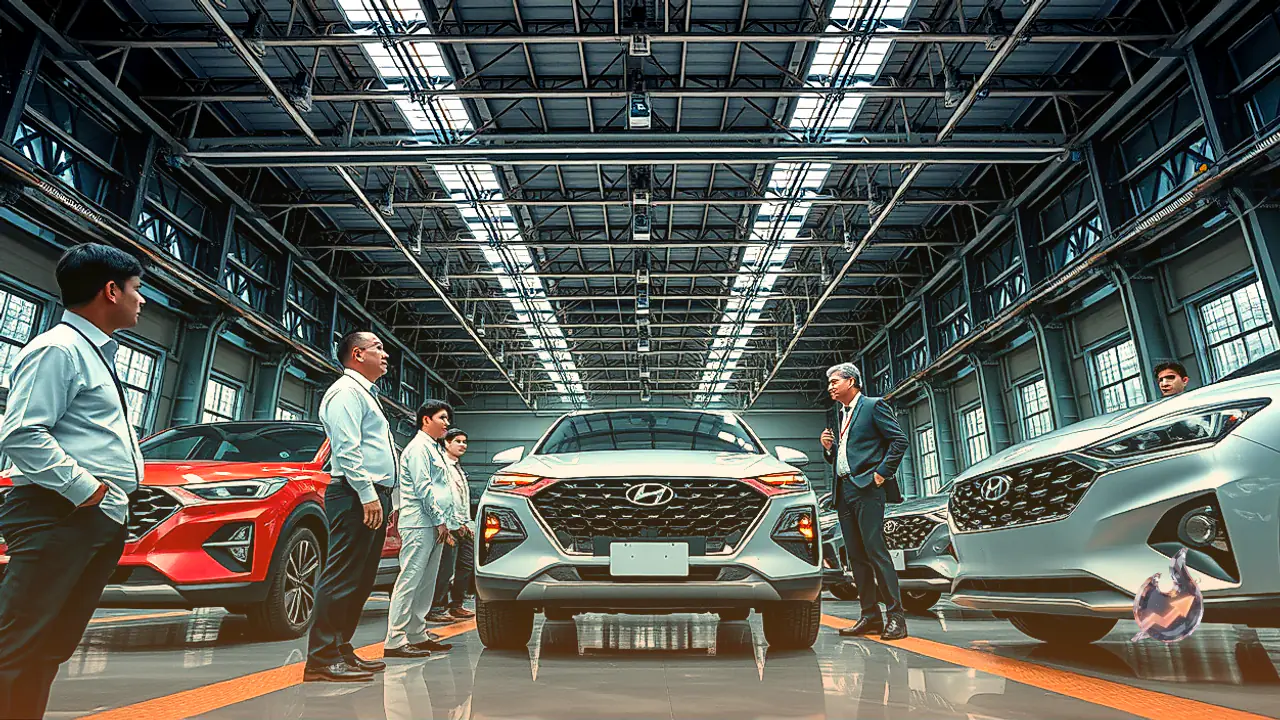
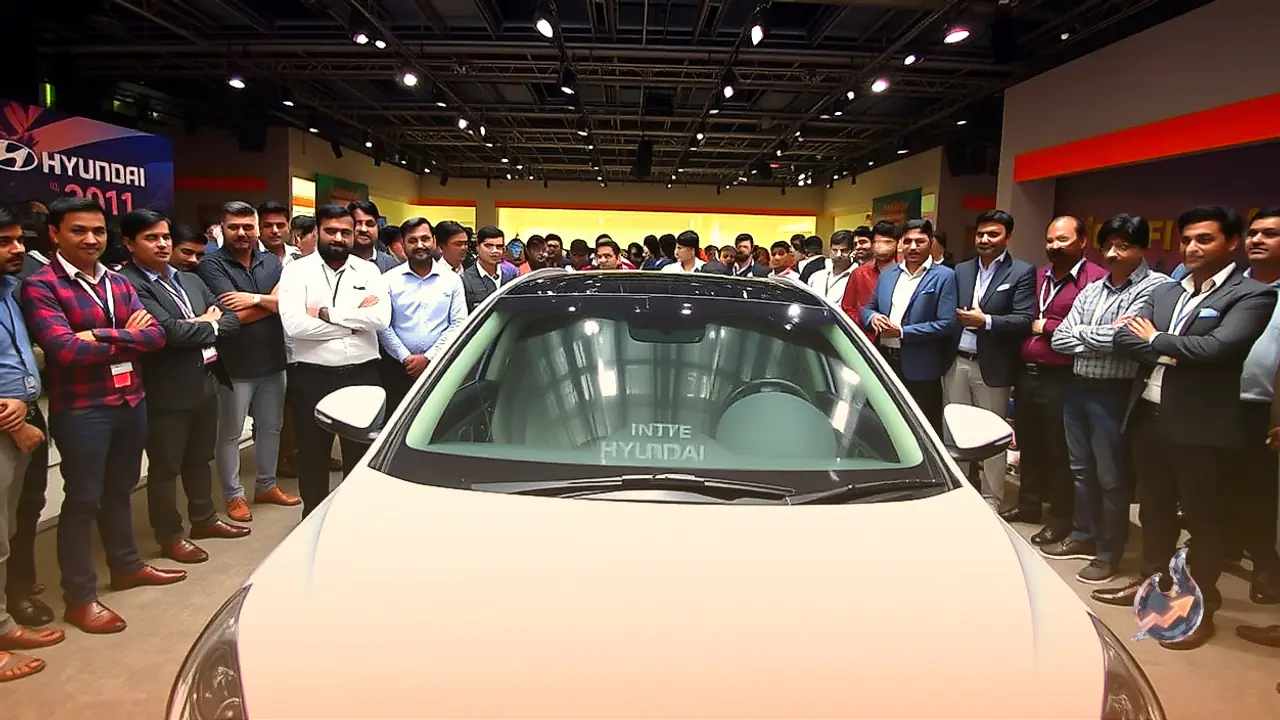
Tata Motors' decision aligns with a broader trend currently sweeping through the Indian automotive market, where multiple manufacturers are adjusting rates to offset macroeconomic pressures. Hyundai Motors has already announced plans to raise vehicle prices by up to 1 percent starting in September 2026. Similarly, market leader Maruti Suzuki revised its car prices upward starting August 1, 2026. Automakers across the industry attribute these widespread price hikes to high raw material costs, growing operational expenses, and challenging overall economic conditions impacting production profitability.