





















Internal corporate tensions within the Tata conglomerate spilled over into the equity markets on Friday following a major dispute over the group leadership. Tata Trusts raised strong objections regarding the extension of N Chandrasekaran as chairman of Tata Sons. The escalation triggered a sharp wave of selling across several listed entities of the group, with shares of Tata Chemicals and TCS experiencing substantial downward pressure.
Noel Tata Votes Against Leadership Extension
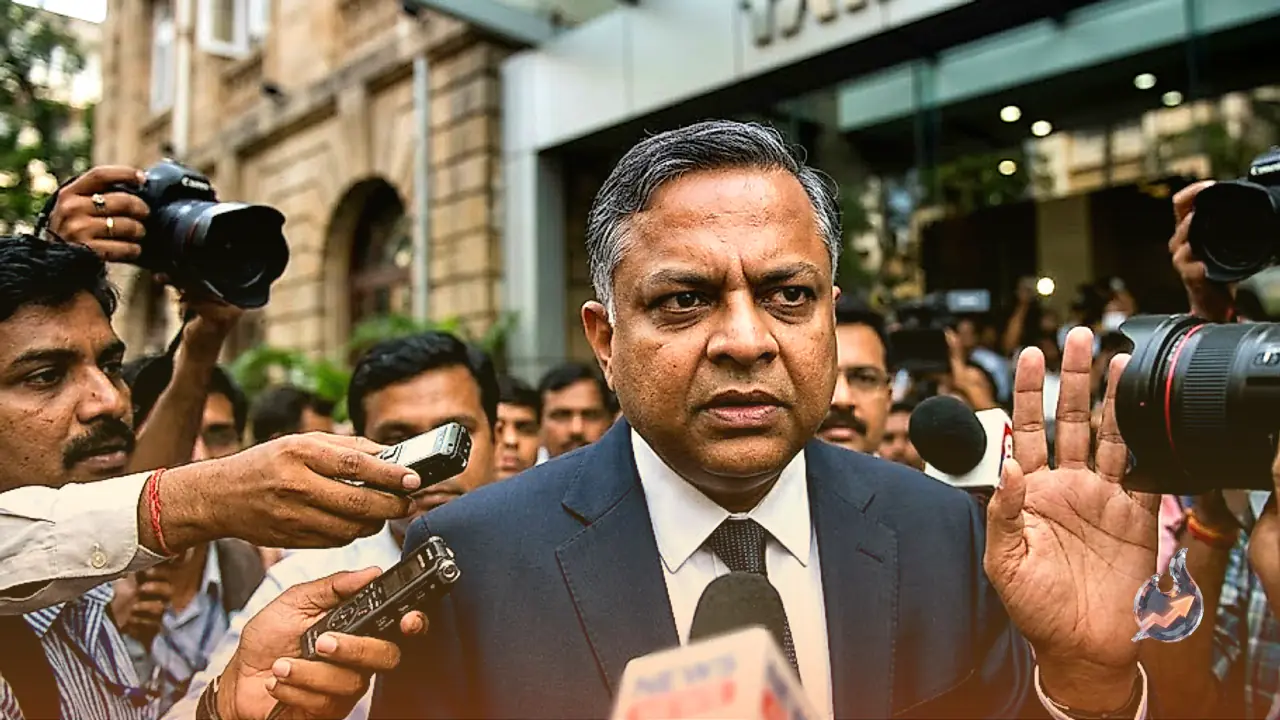
The controversy unfolded after the board of directors at Tata Sons passed a resolution approving a fresh five-year term for N Chandrasekaran to continue steering the parent company. However, the decision was not unanimous. Noel Tata, chairman of Tata Trusts, opposed the proposal and cast his vote against it. Four other directors on the board voted in favor of Chandrasekaran.
Following the meeting, Tata Trusts contended that the re-election does not hold legal validity under the stipulations laid out in the Articles of Association. According to the trust, the governing clauses make the board resolution legally ineffective. This sharp divergence between the primary philanthropic shareholder and the board has cast a shadow of uncertainty over group governance.
Market Reaction and Heavy Selling Across Group Shares
Equities tied to the conglomerate faced immediate investor unease as the boardroom conflict became public knowledge. Tata Chemicals emerged as the hardest-hit stock, tumbling nearly 8 percent to touch an intraday low of 719 rupees. Tata Investment Corporation also witnessed significant pressure, losing around 5 percent to trade down at 683 rupees.
Tata Consultancy Services, the IT flagship of the conglomerate, saw its stock slide roughly 3.5 percent to 2,118 rupees. The ripple effect spread to other prominent group firms as well, with Tata Motors, Tata Elxsi, and Tata Technologies each posting losses of approximately 3 percent during the trading session.
Regulatory Pressure From RBI and Listing Dynamics
The friction comes at a crucial juncture when the Reserve Bank of India turned down Tata Sons plea seeking exemption from public listing norms. The central bank maintained that regulatory standards governing large non-banking financial companies remain applicable to Tata Sons, requiring it to list its shares publicly. This stance has reignited deliberations surrounding a potential initial public offering.
The ownership structure of Tata Sons places immense influence in the hands of Tata Trusts, which commands an approximate 66 percent controlling equity stake in the holding firm. The Shapoorji Pallonji Group holds about 18.37 percent. Given this majority position, the trust wields decisive power over foundational corporate choices.
Upcoming Tata Sons AGM to Decide Leadership Fate
The future trajectory of Chandrasekarans tenure hinges heavily on the upcoming Annual General Meeting of Tata Sons. To sustain his position as chairman, Chandrasekaran must secure re-election as a director during the shareholder gathering. With Tata Trusts holding the decisive majority vote, its stance at the AGM will ultimately determine whether the boardroom impasse dissolves or deepens further.